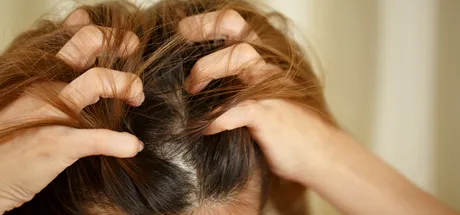
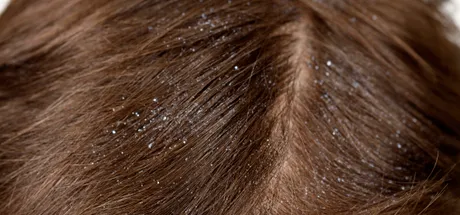
Dandruff is often linked to an overgrowth of a common yeast-like fungus called Malassezia on the scalp, which feeds on the oils. Other factors include dry skin, oily skin (seborrheic dermatitis), sensitivity to hair products, and certain skin conditions like eczema or psoriasis. Stress and cold weather can also make symptoms worse.
There isn't one best shampoo for everyone. Most people start with an everyday zinc pyrithione shampoo. If that doesn't work within a month, a ketoconazole shampoo such as Nizoral or a coal tar shampoo such as Neutrogena T/Gel usually helps. Our pharmacists can suggest one that suits your scalp.
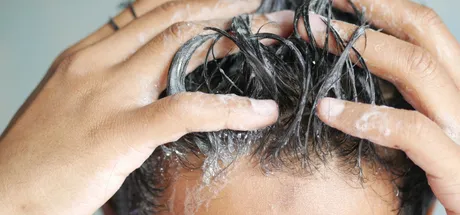
The most effective way to treat dandruff is by using a specialised anti-dandruff shampoo regularly. Look for products containing ingredients like Zinc Pyrithione, Ketoconazole, Coal Tar, or Salicylic Acid. Follow the product's instructions carefully, often meaning leaving the shampoo on for a few minutes before rinsing. Consistent use is crucial for best results.
While it may not always be entirely preventable, managing and reducing dandruff outbreaks is possible. Regular shampooing with an appropriate anti-dandruff product can keep the yeast growth in check. Avoiding harsh hair products, reducing stress, and maintaining good general scalp hygiene can also contribute to dandruff prevention.
Most cases of dandruff can be managed with over-the-counter products. However, if your symptoms don't improve after a few weeks of using anti-dandruff shampoo, if your scalp becomes very red, swollen, or develops crusts, or if you experience significant hair loss, it's advisable to consult a healthcare professional or GP for advice.