What are head lice and nits?
Head lice are tiny, wingless insects, typically up to 3mm long, that live on the scalp and feed on human blood. Nits are the eggs laid by head lice, which are very small, oval-shaped, and usually glued firmly to individual hair shafts close to the scalp. While head lice can make your head feel itchy and irritated, they are not a sign of poor hygiene.
How do head lice spread?
Head lice are primarily spread by direct head-to-head contact. This is why they are very common among children, especially those in school or nursery, where close contact during play is frequent. They cannot jump or fly but can crawl quickly from one head to another. Less commonly, they can spread through shared personal items like hats, scarves, hairbrushes, or pillows, though direct contact is the main route.
What are the common signs and symptoms of head lice?
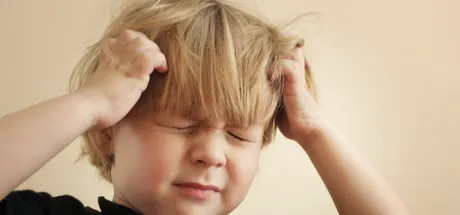
The most common symptom of head lice is an itchy scalp, caused by an allergic reaction to their bites. You might also feel a tickling sensation or like something is moving in your hair. To confirm, look for live lice or nits. Live lice are tiny and move quickly, while nits appear as small, whitish-brown specks that are difficult to remove from the hair shaft, unlike dandruff.
How do I check for head lice effectively?
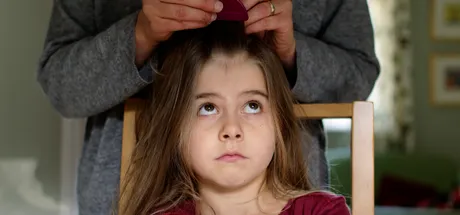
The most effective way to check for head lice is by wet combing. First, wash the hair with regular shampoo and apply plenty of conditioner, then comb through with a normal comb to detangle. Next, switch to a fine-toothed
detection comb. Starting from the scalp, systematically comb through small sections of hair, wiping the comb on a tissue after each stroke. This helps identify any live lice or nits caught in the comb. Repeat this process every few days for at least two weeks if head lice are found.
Can head lice go away on their own?
No, head lice very rarely go away on their own. They will continue to live, feed, and reproduce on the scalp, potentially spreading to others, until they are actively treated and removed. It is important to begin head lice treatment as soon as an infestation is confirmed to prevent further spread and alleviate discomfort.
Can head lice live on bedding and clothes?
While head lice primarily live on the human scalp, they can occasionally fall onto bedding or clothes. However, they can only survive for about 24 to 48 hours without a host. To be safe, you can wash bedding and recently worn clothing on a hot cycle (60°C), but the most important step is treating the hair itself to stop the cycle of infestation.
Can you use head lice treatment when pregnant?
Yes, you can use head lice treatment when pregnant, but it is important to choose the right type. The NHS recommends wet combing as the first-line, chemical-free option. If a product is needed, physical insecticides are preferred because they are not absorbed into the bloodstream. Always consult your Weldricks pharmacist before starting any medicated treatment while pregnant or breastfeeding.