Keep out of the sight and reach of children.
- Do not give this medicine to children under the age of 6 years.
- Do not give this medicine for more than 3 days without speaking to your doctor or pharmacist.
- Do not exceed the stated dose. You must contact a doctor if symptoms worsen or do not improve after 3 days.
Do not give this medicine if you or your child:
- Are allergic to paracetamol or any of the other ingredients. An allergic reaction can include a rash, itching, or shortness of breath.
- Have ever had a bad reaction to any of the ingredients.
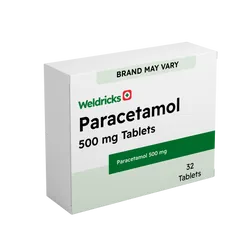
- Are taking any other medicine that contains paracetamol.
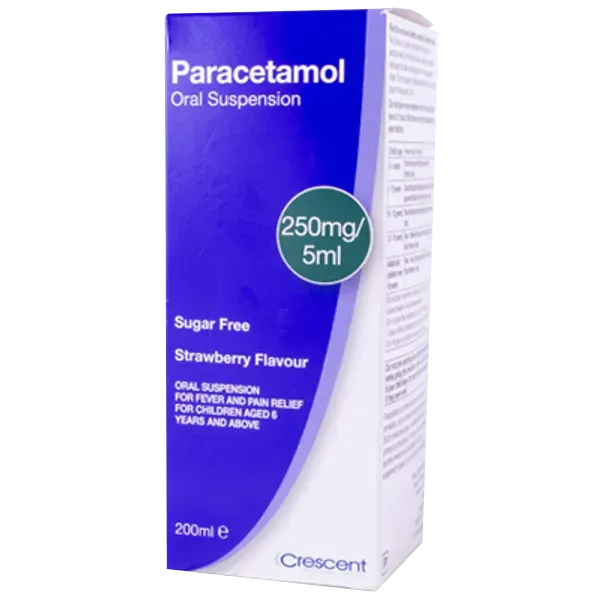
Speak to your doctor or pharmacist before giving Paracetamol 250mg/5ml Sugar Free Oral Suspension 200ml if you or your child:
- Have kidney problems.
- Have liver problems.
- Have an inherited intolerance to fructose or have been diagnosed with an intolerance to some other sugars.
- Are at more risk of the side effects of paracetamol.
During treatment, tell your doctor straight away if you have severe illnesses, including severe renal impairment or sepsis, or if you suffer from malnutrition, chronic alcoholism, or are also taking flucloxacillin (an antibiotic). A serious condition called metabolic acidosis has been reported in patients in these situations.
Other medicines and Paracetamol:
Tell your doctor or pharmacist if you or your child is taking any of these medicines:
- Barbiturates (sleeping tablets)
- Tricyclic antidepressants (such as amitriptyline)
- Colestyramine (used to treat high cholesterol)
- Warfarin (used to thin the blood and prevent clotting)
- Zidovudine (used in HIV infections and AIDS)
- Domperidone and metoclopramide (used to treat nausea and vomiting)
- Anticonvulsants (medicines used to treat epilepsy or fits)
- Flucloxacillin (antibiotic), due to a serious risk of blood and fluid abnormality (called metabolic acidosis).
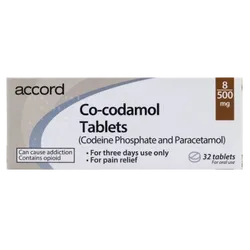
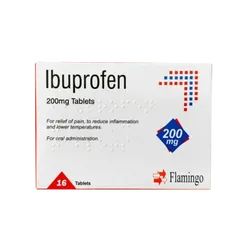
If you are not sure about other medicines, show the bottle or pack to your pharmacist.
Possible Side Effects:
Like all medicines, paracetamol can cause side effects, although not everybody gets them. If you or your child have an allergic reaction (swelling of the face, tongue or throat, difficulty swallowing, unexplained wheezing, shortness of breath, rash or hives), see a doctor straight away.
- Becoming unusually tired, unexpected bruising or bleeding, or getting more infections.
- Very rare cases of serious skin reactions (skin reddening, blisters, rash). Stop use and seek medical help right away.
- Metabolic acidosis (serious condition that can make blood more acidic). If these signs appear, stop and talk to a doctor.
Long term use of paracetamol can lead to side-effects, including liver and kidney damage. If you get any side effects, talk to your doctor or pharmacist. This includes any possible side effects not listed in this leaflet. You can also report side effects directly via the Yellow Card Scheme at www.mhra.gov. uk/yellowcard or search for MHRA Yellow Card in the Google Play or Apple App Store. By reporting side effects you can help provide more information on the safety of this medicine.