Boils are typically caused by a bacterial infection, most commonly Staphylococcus aureus, entering the skin through a hair follicle or a small cut. Factors like poor hygiene, a weakened immune system, certain medical conditions (like diabetes), or contact with someone who has a boil can increase your risk.
No, you should never squeeze or try to pop a boil yourself. This can push the infection deeper into the skin, making it worse and potentially leading to more severe complications or spreading the infection. Allow the boil to burst naturally, or seek advice from a pharmacist or GP.
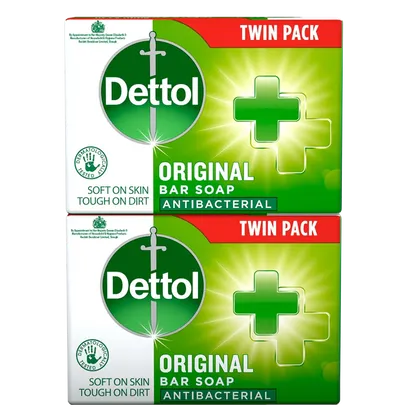
Good hygiene is crucial for preventing boils. This includes regular hand washing, especially after touching your face or body, and keeping your skin clean. Avoiding sharing towels or razors, and promptly treating any cuts or scrapes can also help reduce the risk of bacterial entry.
You should see a doctor if a boil is large or very painful, doesn't heal within two weeks, gets bigger, develops red streaks around it, or if you also have a fever or feel generally unwell. Boils on your face, spine, or near your anus may also require professional medical attention.