Dehydration occurs when your body loses more fluids than it takes in, leading to an imbalance that can affect your overall health.
It's a common condition, especially during hot weather, intense physical activity, or periods of illness involving vomiting or diarrhoea. Even mild dehydration can cause symptoms like thirst, dry mouth, tiredness, and light-headedness.
At Weldricks Pharmacy, we're here to help you understand the signs of dehydration and provide effective solutions to restore your body's fluid balance. We offer a range of products designed to aid rehydration and support your recovery, helping you feel your best again.
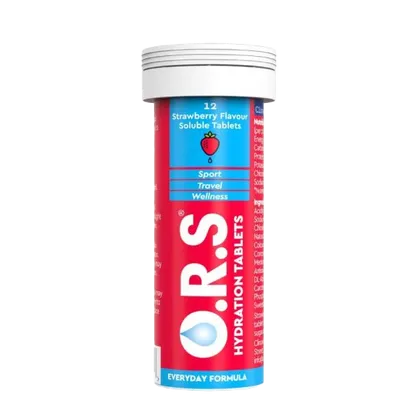
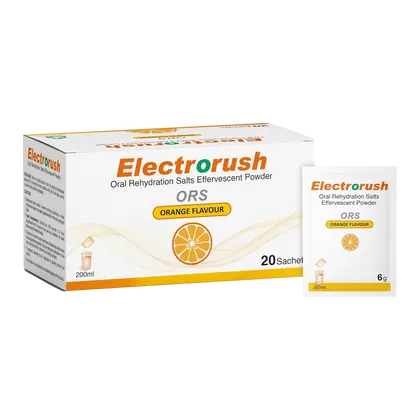
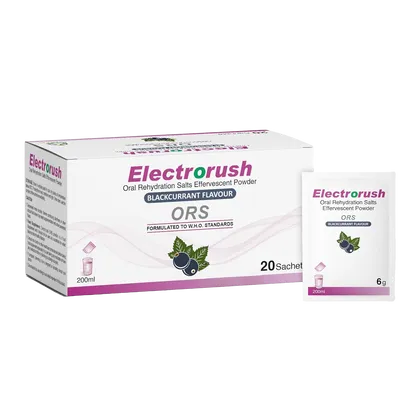
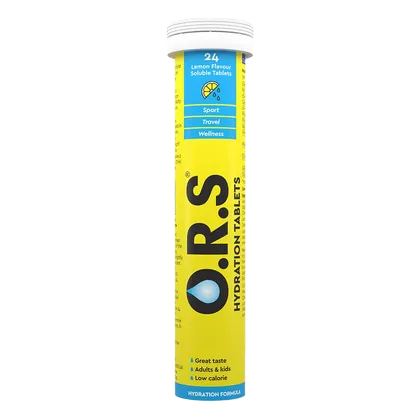
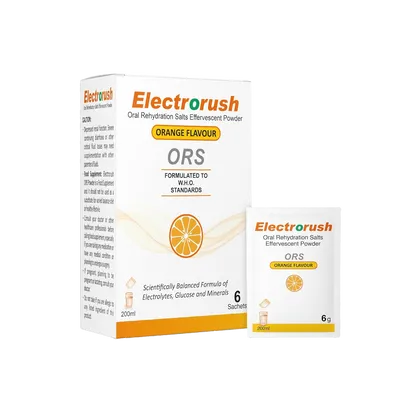
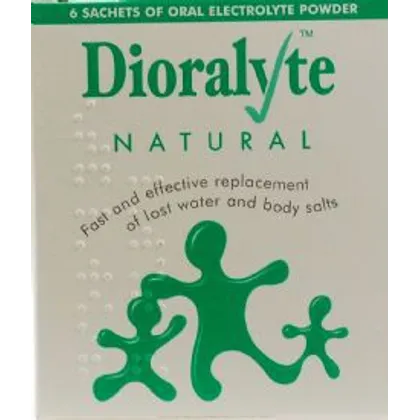
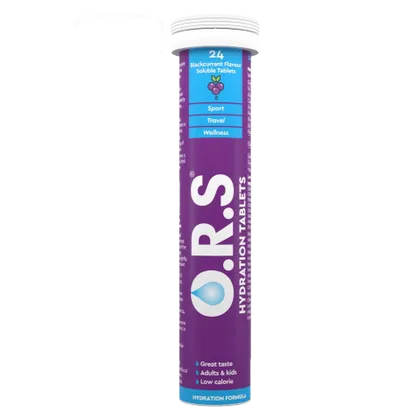
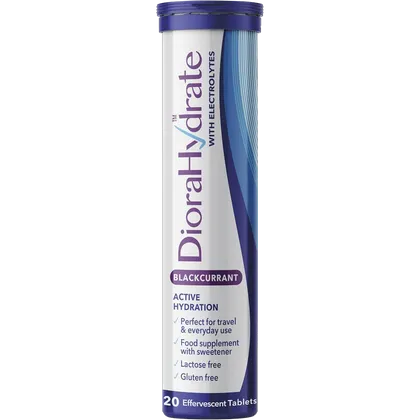
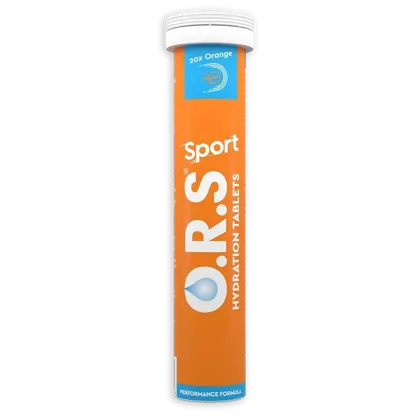
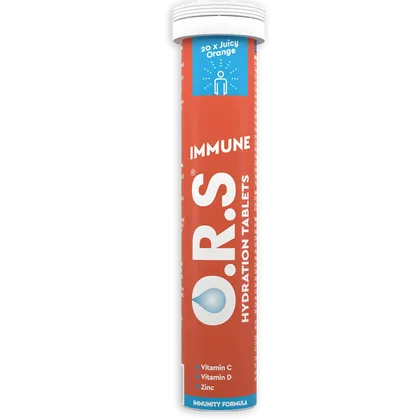
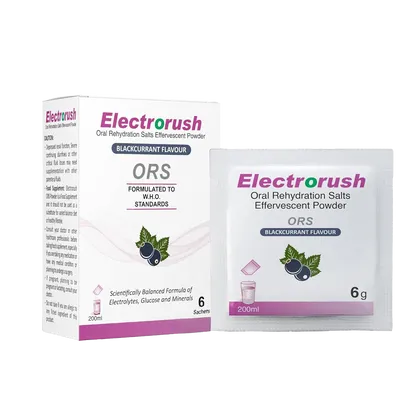
Restoring lost fluids is crucial when you're dehydrated. For mild cases, drinking plenty of water or clear fluids is often sufficient. However, for more significant fluid loss, especially due to illness or intense exercise, oral rehydration solutions (ORS) can be highly beneficial. These solutions, like those from trusted brands such as Dioralyte and O.R.S, contain a balanced mix of water, salts, and sugars that help your body absorb fluids more efficiently than water alone.
Drink little and often: Sip fluids gradually rather than drinking large amounts quickly.
Choose appropriate fluids: Water, diluted fruit juice, or oral rehydration solutions are best. Avoid sugary drinks or excessive caffeine.
Consider age: Babies and young children, and the elderly, are particularly vulnerable to dehydration and may require specific rehydration products or medical attention sooner.
Explore our wide selection of pharmacy medicines and vitamins & supplements to support your overall wellbeing. If you're experiencing severe symptoms or have concerns, always seek professional medical advice.
Common symptoms of mild to moderate dehydration include thirst, a dry mouth, tiredness or lethargy, dark urine, and infrequent urination. In more severe cases, symptoms can include dizziness, confusion, rapid heartbeat, and sunken eyes.
How much water should I drink daily to prevent dehydration?
While individual needs vary, the NHS generally recommends drinking 6 to 8 glasses of fluids a day, including water, lower-fat milk, and sugar-free drinks. You may need more if you're exercising, in hot weather, or feeling unwell.
Can dehydration affect my mood or concentration?
Yes, even mild dehydration can impact cognitive functions, leading to reduced concentration, poorer memory, and mood changes like irritability or fatigue. Staying well-hydrated is important for both physical and mental clarity.
When should I see a doctor for dehydration?
You should seek medical advice if you or someone you're caring for shows signs of severe dehydration, such as feeling dizzy when standing up, not peeing for 8 hours or more, or having reduced consciousness. Always consult a healthcare professional if you are concerned, especially for babies, young children, or the elderly.
Understanding and addressing dehydration promptly is key to maintaining good health. Weldricks Pharmacy is committed to providing clear, professional advice and trusted products to help you manage and prevent dehydration effectively. For more detailed medical information, please refer to the official NHS Dehydration page.