

Is this medicine suitable for you?
Do not take this medicine if you:
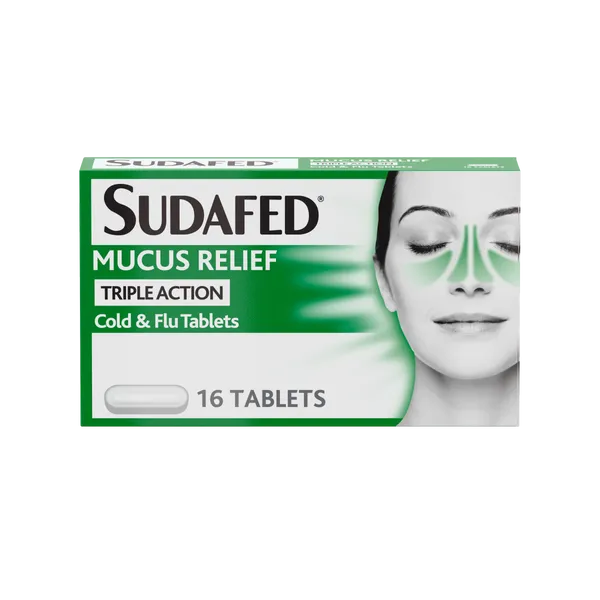
- Are allergic to paracetamol, guaifenesin, phenylephrine or any of the other ingredients (listed in section 6)
- Have a serious heart condition
- Have high blood pressure (hypertension)
- Have diabetes
- Have an overactive thyroid
- Have glaucoma, including closed angle glaucoma
- Have an enlarged prostate
- Have difficulty passing urine
- Are taking antidepressant drugs called monoamine oxidase inhibitors (MAOI's), or have taken them within the last 14 days - these are medicines such as phenelzine and isocarboxazid
- Are taking beta-blocking drugs
- Are currently taking other decongestant drugs and stimulants (e.g. ephedrine, amfetamines and xylometazoline)
- Are taking a cough medicine called a cough suppressant
- Are taking tricyclic antidepressants such as imipramine, amitriptyline
- Suffer from kidney or liver problems, including alcoholic liver disease
- Have phaeochromocytoma.
Please see your doctor or pharmacist before taking this medicine if you:
- Are pregnant or breast-feeding
- Have a very bad cough or asthma. See your doctor if your cough lasts for more than 5 days or comes back, or if you have a fever, rash or a headache which won't go away
- Have circulatory disorders such as a condition called Raynaud's Phenomenon, which results from poor circulation in the fingers and toes
- Have angina.
During treatment with this medicine, tell your doctor straight away if:
- You have severe illnesses, including severe renal impairment or sepsis (when bacteria and their toxins circulate in the blood leading to organ damage), or you suffer from malnutrition, chronic alcoholism or if you are also taking flucloxacillin (an antibiotic). A serious condition called metabolic acidosis (a blood and fluid abnormality) has been reported in patients in these situations when paracetamol is used at regular doses for a prolonged period or when paracetamol is taken together with flucloxacillin. Symptoms of metabolic acidosis may include: serious breathing difficulties with deep rapid breathing, drowsiness, feeling sick (nausea) and being sick (vomiting).
If you are taking any of the following medicines please see your doctor:
- Medicines to treat high cholesterol levels which reduce the amount of fat in the blood such as colestyramine
- Medicines to control feeling sick or being sick such as metoclopramide or domperidone
- Medicines called anti-coagulants, which are used to thin the blood such as warfarin or other coumarins - you may take occasional doses of paracetamol but should consult your doctor if you need to take it on a regular basis
- Barbiturates (for epilepsy or to help you sleep), such as phenobarbitones
- Medicines to treat heart or circulatory problems, or to lower blood pressure, (e.g. digoxin, guanethidine, reserpine, methyldopa)
- Medicines to treat migraine (e.g. ergotamine and methylsergide)
- Beta blockers (e.g. atenolol) or vasodilators (e.g. hydralazine)
- Phenothiazines used as sedatives (e.g. chlorpromazine, pericyazine and fluphenazine)
- If you are going to have blood or urine tests as taking this medicine may affect the results
- If you are going to have a general anaesthetic as this may cause changes in heart rhythm
- Flucloxacillin (antibiotic), due to a serious risk of blood and fluid abnormality (called metabolic acidosis) that must have urgent treatment (see section 2).
Contains paracetamol.
Do not take anything else containing paracetamol while taking this medicine.
Other important information:
- Do not drink alcohol (beer, wine, spirits etc) while taking this product
- If you are taking medication, or are under medical care, consult your doctor before using this medicine
- Long term use of this product is not recommended. Do not use for longer than 5 days, except on medical advice
- This medicine should only be used if you have all of the following symptoms - pain and/or fever, a blocked nose and a chesty cough
- Use medicines which will only treat the symptoms you have
- Do not take with other flu, cold or decongestant products
- This product could cause dizziness. If affected do not drive or operate machinery.
Possible side-effects
Like all medicines, this medicine can cause side effects, although not everybody gets them. Stop taking this medicine and tell your doctor or pharmacist immediately if you experience:
- Allergic reactions with swelling of the mouth, lips, tongue, throat or face which may make it difficult to breathe (anaphylaxis, angioedema)
- Severe skin reactions can include ulcers, blistering or peeling of the skin (Steven- Johnsons syndrome or toxic epidermal necrolysis)
- Breathing problems and wheezing. These are more likely if you have experienced them before when taking other painkillers such as ibuprofen or aspirin
- Unexplained bruising or bleeding (caused by low platelets in the blood)
- Recurring fevers or infections (caused by low white blood cells which increases the likelihood of infections)
- Severe stomach discomfort (caused by inflammation of the pancreas)
- Liver problems, which may appear as jaundice (yellowing of the eyes and skin), nausea and abdominal pain (hepatic dysfunction)
- Unusually fast pulse rate or a sensation of an unusually fast or irregular heartbeat (tachycardia, palpitations).
The following side effects may also occur. Tell your doctor or pharmacist if you get them.
- Difficulty passing water (the frequency is unknown but is more likely to occur in men with an enlarged prostate)
- Less serious allergic reaction including rashes, dermatitis or urticaria (hives)
- Headache, dizziness, insomnia (problems sleeping)
- Nausea (feeling sick), vomiting, stomach discomfort, diarrhoea
- Nervousness, irritability, restlessness, excitability
- Increased blood pressure
- Visual disturbances. This is rare but is more likely in those with glaucoma.
Frequency not known (frequency cannot be estimated from the available data): A serious condition that can make blood more acidic (called metabolic acidosis), in patients with severe illness using paracetamol (see section 2).
Reporting of side-effects
If you get any side-effects, talk to your doctor, pharmacist or nurse. This includes any possible side-effects not listed in this leaflet. You can also report side-effects directly via the Yellow Card Scheme at www.mhra.gov.uk/yellowcard or search for MHRA Yellow Card in the Google Play or Apple App Store. By reporting side-effects you can help provide more information on the safety of this medicine.
How to store your medicine
- Keep out of the sight and reach of children.
- Do not use this medicine after the expiry date which is stated on the carton and blister foil. The expiry date refers to the last day of the month.
- Do not store above 25°C.