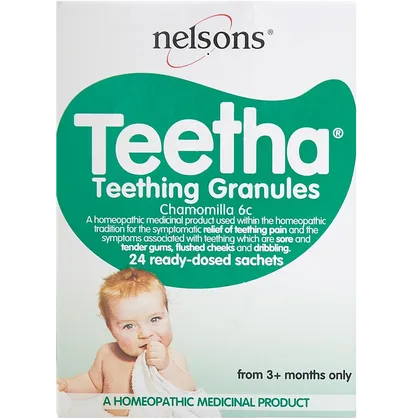
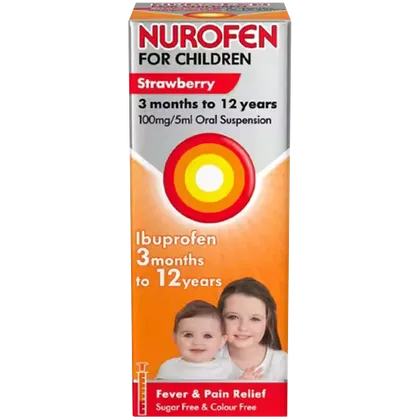
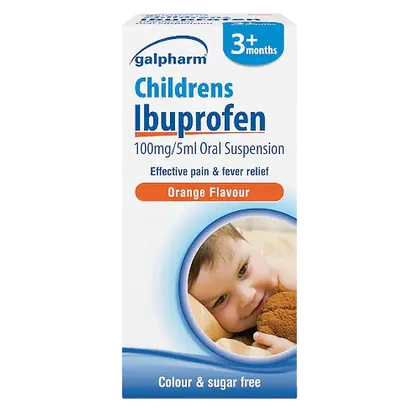
On average, babies start teething at around 6 months, though it can begin as early as birth or as late as 12 months. Common teething symptoms include flushed cheeks, excessive dribbling, sore or red gums, and a tendency to chew on anything they can find. If you’re wondering how long teething lasts, a single tooth usually takes a few days to break through, but the entire process continues until the full set of milk teeth arrives around age two or three.
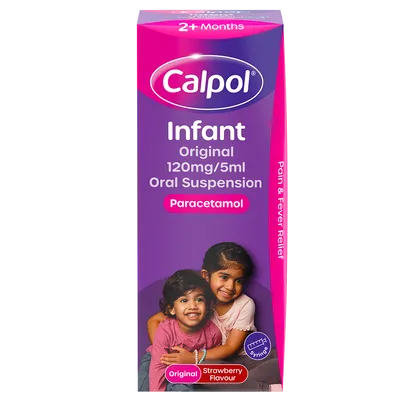
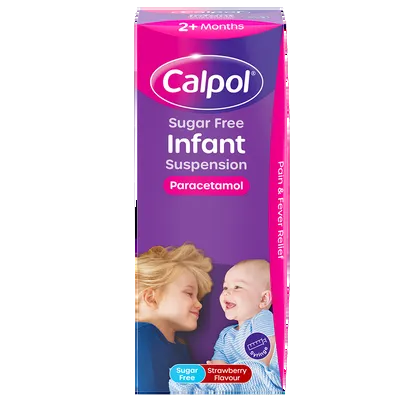
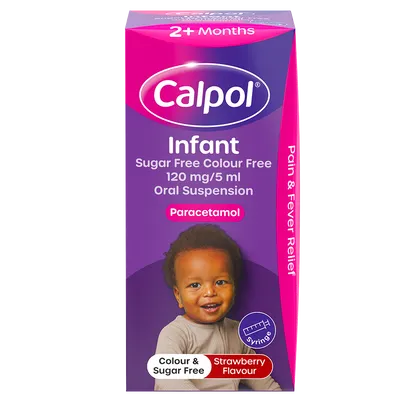
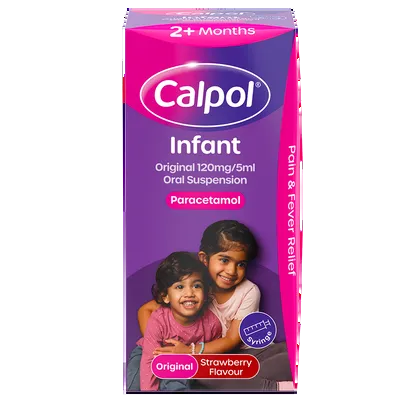
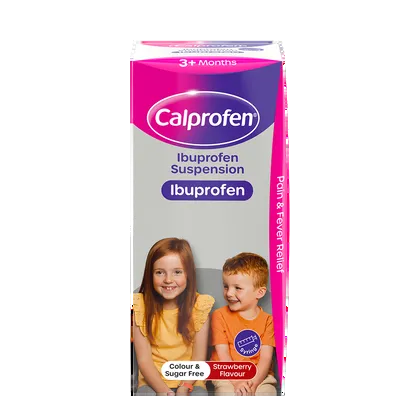
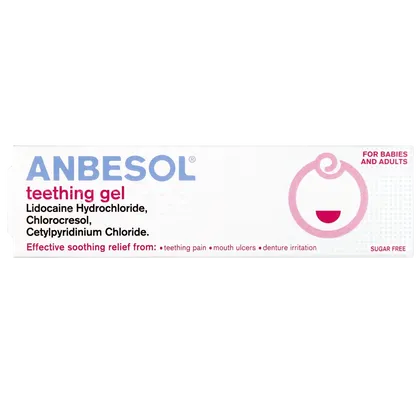
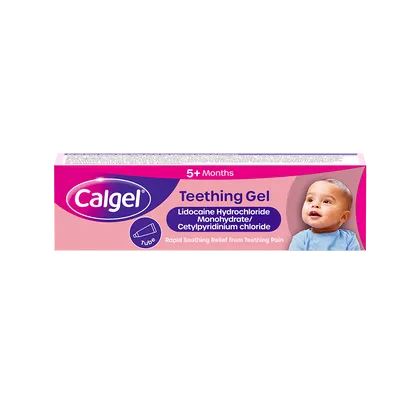
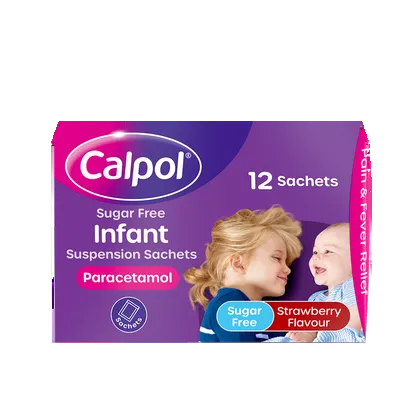
The best medicine for a teething baby often depends on the baby's age and level of discomfort. For mild pain, a teething gel for babies or teething powder like Ashton & Parsons can be very effective. For more significant distress, sugar-free infant paracetamol, such as Calpol, provides longer-lasting relief. Many parents find the best teething gel for babies is one that contains a mild local anaesthetic, such as Anbesol, to numb the area quickly.
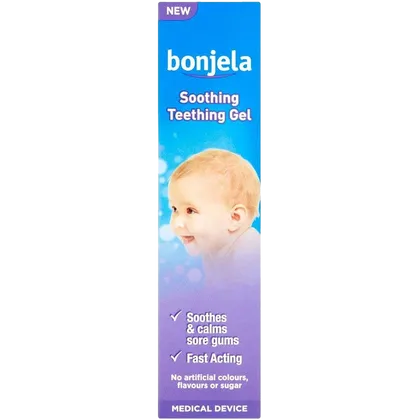
Most products, such as Bonjela Teething Gel, are suitable from 6 months of age, though some brands, such as Anbesol, can be used from 5 months. How does teething gel work? It typically contains a mild anaesthetic or antiseptic that numbs the gum on contact. While it is fast-acting, it only lasts for a short period (roughly 20-30 minutes), which is why it is often used alongside longer-term home remedies for a teething baby at night, such as a chilled teething ring.
It typically contains a mild anaesthetic or antiseptic that numbs the gum on contact. While it is fast-acting, it only lasts for a short period (roughly 20-30 minutes), which is why it is often used alongside longer-term home remedies for a teething baby at night, such as a chilled teething ring.