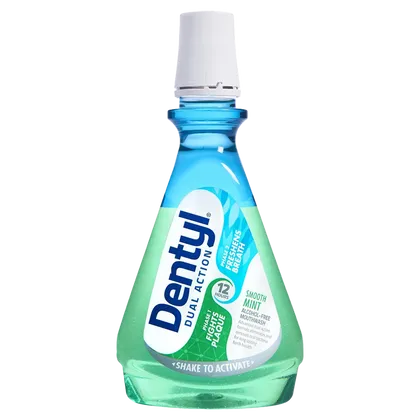
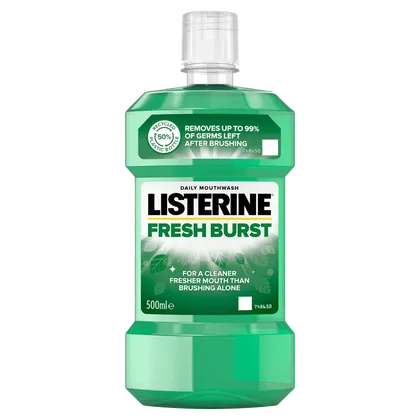
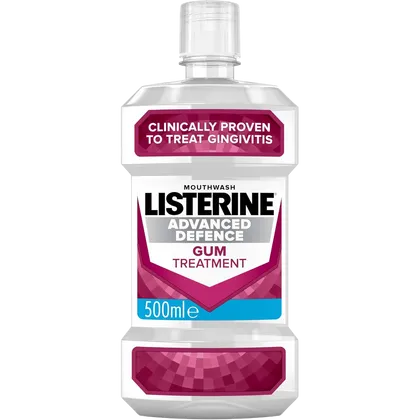
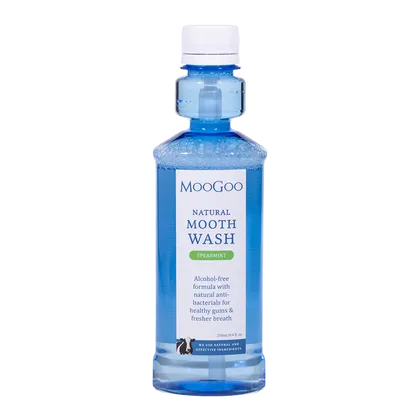
It's generally recommended to use mouthwash before brushing and flossing to get the full benefit of the fluoride in your toothpaste.
If you want to use your mouthwash after brushing, it's best to wait at least 30 minutes. This allows the fluoride to remain on your teeth and work effectively.
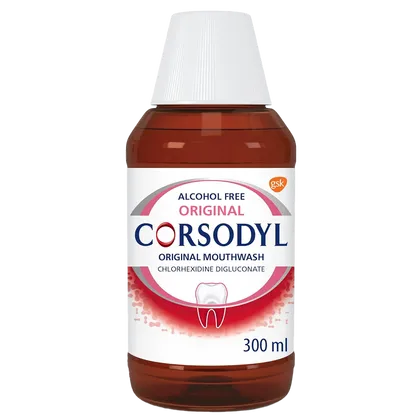
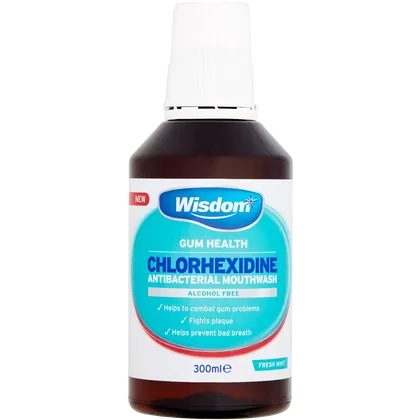
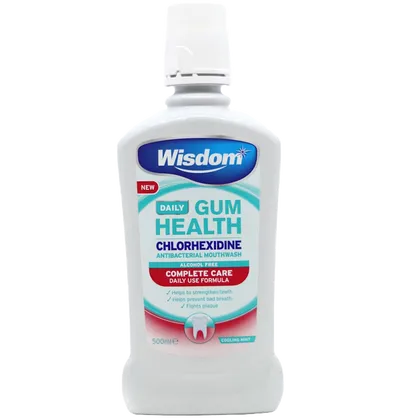
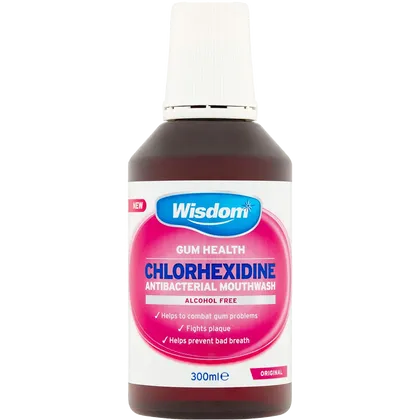
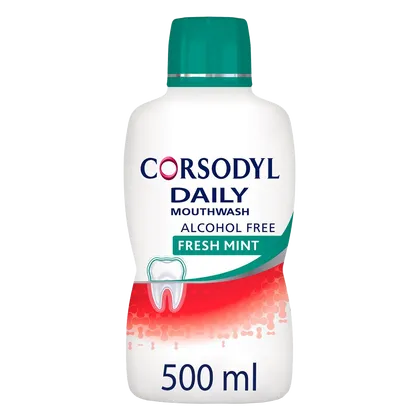
For gum disease, mouthwashes containing active ingredients like chlorhexidine gluconate are highly effective. Chlorhexidine is an antiseptic that reduces plaque bacteria and helps manage gum inflammation. Brands such as Corsodyl offer popular chlorhexidine mouthwash options. Always follow the product instructions, as these therapeutic rinses are often for short-term use or specific dental conditions.
Chlorhexidine mouthwash is a powerful antiseptic rinse used to treat and prevent gum disease (gingivitis), reduce plaque build-up, and help with mouth ulcers. It works by binding to the surfaces of teeth, gums, and other areas in the mouth, slowly releasing the active ingredient to kill bacteria that cause plaque and gum disease. It's often prescribed by dentists or recommended for specific conditions due to its potent antibacterial action.
The frequency of mouthwash use depends on the type of mouthwash and your individual needs. Daily mouthwashes designed for fresh breath or general oral hygiene can typically be used once or twice a day. Therapeutic mouthwashes, such as those containing chlorhexidine for gum disease, may have specific instructions for use (e.g., twice daily for a limited period) and should be used as directed by your dentist or the product packaging.
No, mouthwash cannot replace brushing and flossing. Brushing effectively removes food particles and plaque from tooth surfaces, and flossing cleans between teeth and below the gum line. Mouthwash acts as an adjunct, rinsing away loose debris, killing bacteria, and providing fresh breath, but it doesn't offer the mechanical cleaning action essential for thorough oral hygiene.