For further advice on protecting your skin in the sun, consult the NHS guidelines on sun safety.
Shield your skin effectively with our extensive range of sun creams and lotions at Weldricks Pharmacy. We understand the importance of reliable sun protection for all ages and skin types.
Our collection features products such as high-factor Delph Sun Lotion SPF50+ to options designed for sensitive and eczema-prone skin. Explore a variety of formulations, including MooGoo with natural zinc oxide, ensuring you find the perfect match for your family's needs.
Protecting your skin from harmful UVA and UVB rays is crucial for long-term health. That's why we stock a broad spectrum of sun protection factors (SPF), including SPF 20, 30, and 50+, to provide comprehensive defence against sun damage. Browse leading brands like Malibu, Nivea, and Delph, all chosen for their effectiveness and quality. Keep your skin safe and healthy with Weldricks Pharmacy.
Selecting the right sun cream is more than just picking an SPF number. Consider these factors to ensure maximum protection for your skin:
At Weldricks, we're dedicated to helping you make informed choices about your health. With excellent 4.9/5 reviews and expert-backed advice, you can shop confidently for the best sun protection for your entire family, with free UK delivery on orders over £40.
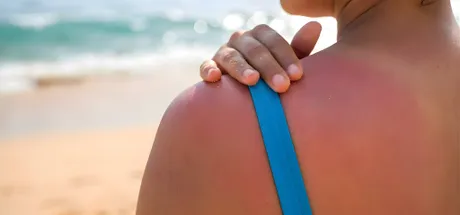
'Broad-spectrum' sun cream offers protection against both ultraviolet A (UVA) and ultraviolet B (UVB) rays. UVB rays are the primary cause of sunburn, while UVA rays contribute to skin ageing, wrinkles, and can also lead to skin cancer. Using a broad-spectrum sun cream, such as the affordable options available at Weldricks, ensures comprehensive protection against both types of harmful UV radiation, helping to prevent both sunburn and long-term skin damage.
For eczema-prone or sensitive skin, it's often recommended to choose mineral sunscreens containing active ingredients like zinc oxide or titanium dioxide. These create a physical barrier on the skin, deflecting UV rays, and are generally less irritating than chemical sunscreens. Brands like MooGoo offer options with natural zinc oxide. Always check the ingredients list for irritants and consider a patch test before full application. Weldricks offers several sun creams suitable for sensitive skin.
For effective sun protection, you should reapply sun cream generously every two hours, or more frequently if you have been swimming, sweating heavily, or towel drying. Even 'water-resistant' sun creams can lose effectiveness after prolonged water exposure. Consistent reapplication is crucial, regardless of the SPF, to maintain the stated level of protection and keep your skin safe from harmful UV rays.
Most people only apply about half the amount of sun cream needed to achieve the SPF protection stated on the bottle. To ensure you are fully protected, medical professionals recommend two simple measurement methods:
The Face & Neck (The Two-Finger Rule): Squeeze two continuous lines of sun cream directly onto your index and middle fingers—from the base to the tips. This is the exact amount needed to cover your entire face, neck, and ears.
The Body (The Teaspoon Rule): To cover an average adult body, you need roughly 9 teaspoons (approx. 35ml or two tablespoons) of lotion:
1 teaspoon for your face, head, and neck.
1 teaspoon for each arm (2 total).
2 teaspoons for each leg (4 total).
2 teaspoons for your torso (front and back).
If you are using a spray like Malibu or a lightweight cream like Nivea, ensure the skin looks visibly wet before rubbing it in to ensure total coverage.
Sun creams protect against two different types of UV radiation, and you need to look at two different metrics on the bottle to ensure you're fully covered:
SPF (Sun Protection Factor): This measures protection against UVB rays, which cause sunburn and are directly linked to skin cancer. An SPF 30 means it would theoretically take 30 times longer for your skin to redden compared to wearing no protection.
The UVA Star Rating (UK/EU System): This measures how well the cream protects against UVA rays, which penetrate deeper, causing long-term skin aging, wrinkles, and DNA damage. The UK star system ranges from 1 to 5 stars.
What to look for: Always choose a "Broad-Spectrum" lotion with at least 4 or 5 stars (like Delph or MooGoo). A high star rating means the UVA protection is nearly equal to the UVB protection, giving you a balanced shield against both burning and aging.
Yes. Many common prescription and over-the-counter medications can cause photosensitivity—a chemical reaction that makes your skin hyper-sensitive to UV light. This can result in severe sunburn, rashes, blistering, or increased pigmentation from just a few minutes of sun exposure.
Common medications that cause sun sensitivity include:
Acne Treatments: Oral tetracyclines (like lymecycline) and topical retinoids.
Antibiotics: Ciprofloxacin, doxycycline, and cotrimoxazole.
Heart & Blood Pressure Meds: Amiodarone, thiazide diuretics (like bendroflumethiazide).
NSAIDs (Painkillers): Naproxen and topical ketoprofen gels.
Pharmacy Advice: If you are taking any of these medications, daily application of a high-factor, broad-spectrum sun cream like Nivea Sun Protect & Moisture Lotion or Delph SPF 50 is essential, even on overcast days. Check your medication leaflet or consult our pharmacist if you are unsure.
Yes, sun cream absolutely expires. Over time, the active chemical or mineral filters degrade, meaning an old bottle of SPF 50 might only provide the protection of an SPF 10 or less.
To check if your bottle is still active, look on the back for the PAO (Period After Opening) symbol. This icon looks like a tiny open jar with a number and the letter "M" inside it (e.g., 12M or 24M).
12M means the product is guaranteed to be safe and effective for 12 months after the day you first opened it.
If the cream has separated, smells strange, or has a grainy texture (common if a bottle has been sitting in hot sand or direct sunlight), the filters have broken down. You should discard it immediately and replace it, regardless of what the symbol says.





For further advice on protecting your skin in the sun, consult the NHS guidelines on sun safety.