10 Sun Safety Tips for Children: Expert Advice to Keep Them Safe
In this guide
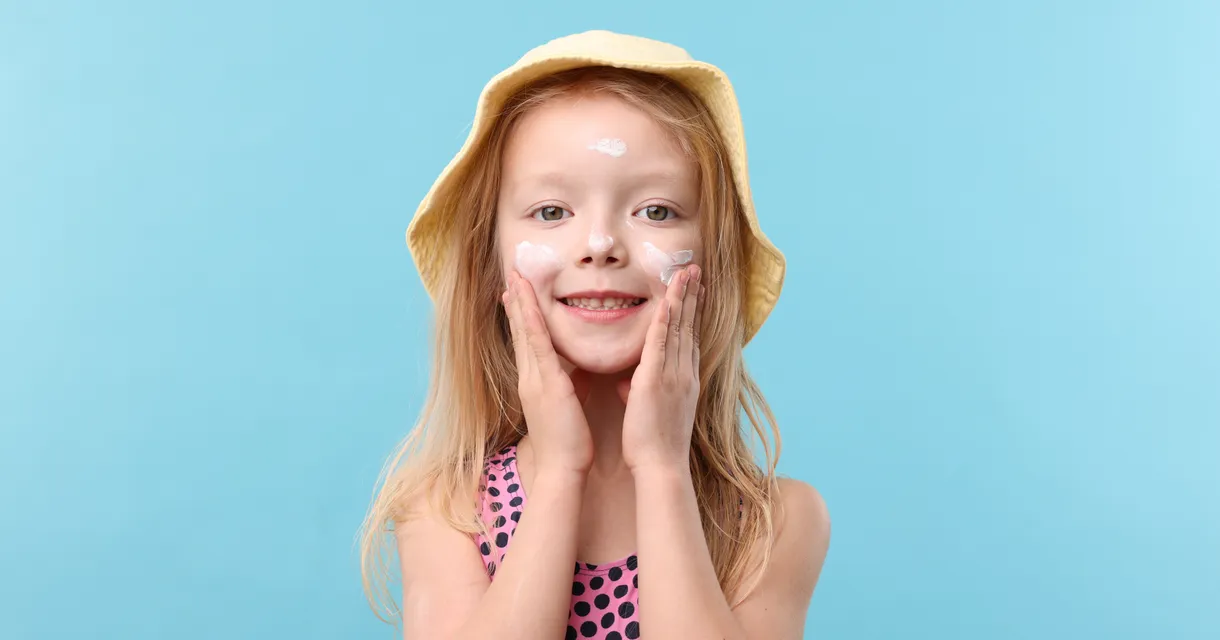
Keeping children safe in the sun is one of the most important responsibilities for parents, especially during warmer months or holidays.
Babies and young children have more delicate skin than adults, which makes them far more vulnerable to sunburn and long-term UV damage.
In this guide, we’ll walk you through practical, expert-backed sun safety tips for children, so you can enjoy sunny days with peace of mind.
How To Keep Your Children Safe In The Sun
1. Keep babies under 6 months out of direct sunlight
The No.1 rule for sun safety for babies under 6 months is to keep them completely out of direct sunlight, as their skin is extremely delicate and more vulnerable to UV damage.
At this age, sunscreen is not generally recommended as the first line of protection, as babies’ skin is thinner and more sensitive, making it more prone to irritation.
Instead:
- Use a pram shade, parasol, or canopy
- Stay in shaded areas whenever possible
- Dress your baby in lightweight, covering clothing
Even short exposure can lead to sunburn, so prioritising shade is essential.
2. Use SPF 50 sunscreen for children
Always choose a broad-spectrum sunscreen with an SPF of 30 or 50 sunscreen (ideally SPF 50) to protect against both UVA and UVB rays.
For best protection:
- Apply generously to all exposed areas (ears, neck, hands, feet)
- Don’t forget commonly missed spots like the back of the neck
- Use a child-friendly, fragrance-free formula
Wondering what SPF is? Read our expert guide and find out!
3. Reapply sunscreen regularly
Sunscreen does not last all day. To maintain protection, it must be reapplied consistently.
Make sure to reapply:
- Every 2 hours
- Immediately after swimming or sweating
- After towel drying
We’ve created a fun, easy-to-follow infographic below to help children remember when to reapply sunscreen:
4. Dress children in protective clothing
Clothing is one of the most reliable forms of sun protection, especially for younger children.
Choose:
- Lightweight, long-sleeved tops
- Loose, breathable fabrics (e.g., cotton)
- UV-protective (UPF-rated) clothing where possible
It’s also best to choose a wide-brimmed or legionnaire-style hat, as these provide better protection for the face, neck, and ears, compared to standard hats like bucket styles.
5. Use sunglasses with UV protection
Children’s eyes are more sensitive to sunlight, and UV exposure can affect them over time.
Look for:
- UV400 protection
- CE-marked lenses
- Wraparound styles for better coverage
This is especially important at the beach, near water, or in bright environments.
6. Avoid peak sun hours
UV radiation is strongest between 11am and 3pm, making this the highest-risk time for sunburn.
To reduce risk:
- Plan outdoor activities earlier in the morning or later in the afternoon
- Take regular breaks in the shade
- Avoid prolonged exposure during peak hours
This is one of the simplest and most effective ways to protect children from excessive sun exposure.
Take a look at the child-friendly infographic below to help your little one understand when it’s safest to be outside:
7. Seek or create shade wherever possible
Shade significantly reduces direct UV exposure, but it doesn’t eliminate it entirely.
Here are some practical ways to create shade for your children:
- Use umbrellas, beach tents, or sun shelters
- Sit under trees or in covered areas
- Position prams away from direct sunlight
Keep in mind that, even in shaded areas, sunscreen is still necessary, as UV rays reflect from surrounding surfaces.
8. Stay hydrated in hot weather
Children are more prone to dehydration, especially in warm or sunny conditions.
To keep them safe:
- Offer water regularly, even if they don’t ask for it
- Avoid sugary or caffeinated drinks, as they can contribute to dehydration
- Watch for signs of dehydration (dry lips, tiredness, irritability, etc.)
Proper hydration helps maintain body temperature and supports your child’s overall well-being in warm conditions.
9. Choose gentle, child-friendly sunscreen formulas
Children’s skin is more sensitive, so choosing the right sunscreen is important. Look for:
- Fragrance-free formulas
- Hypoallergenic or sensitive-skin labels
- Cream or lotion formats for better coverage
If your child has sensitive skin, mineral (physical) sunscreens may be a better option.
If you’d like to learn more about sun protection, explore our guides:
- Which Sunscreen Should You Use? A Simple Guide to SPF Types
- Worried About Sunscreen Ingredients? Which Ones to Avoid and Why
10. Educate your children about the UV index
Explaining the UV index to your children can help them understand why sun protection is important and encourage safer habits from an early age.
The UV index shows how strong the sun’s rays are on a given day. As a simple guide:
- UV index 3 or above → sun protection is needed
- Higher UV levels → greater risk of skin damage
How To Deal With A Sunburn
If your child gets sunburned, it’s important to act quickly to soothe the skin and prevent further damage:
- Move them out of the sun immediately
- Cool the skin with cool water (not ice-cold)
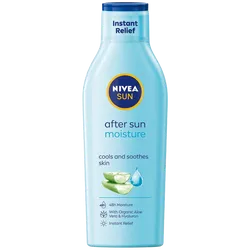
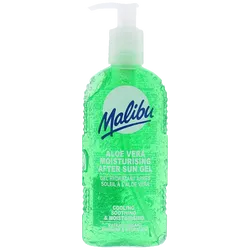
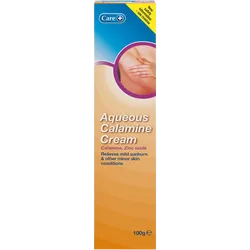
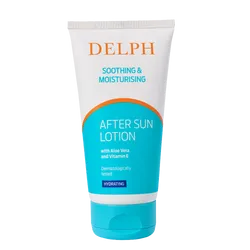
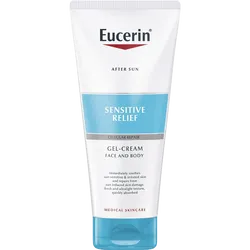
- Apply a gentle, fragrance-free moisturiser or aftersun
- Keep the skin hydrated by encouraging fluids
- Dress them in loose, soft clothing
- Avoid further sun exposure until the skin heals
Seek medical advice if:
- Blistering is severe
- Your child develops a fever
- The sunburn covers a large area
Explore all our sunburn relief options to soothe and heal your kid’s skin.
Sun Protection Tips For Children — Conclusion
Sun safety for children plays an important role in protecting their skin now and supporting long-term skin health.
By following simple, consistent habits, you can significantly reduce the risks associated with UV exposure.
Explore Weldricks’ wide range of high-quality sunscreens to keep your family protected all year round!
FAQs
What are the 5 S’s for sun safety?
The 5 S’s of sun safety are a set of easy-to-remember rules to protect your skin from harmful UV rays. They stand for:
- Slip on clothing
- Slop on sunscreen
- Slap on a hat
- Slide on sunglasses
- Seek shade
Can children get a sunburn on cloudy days?
Yes, all of us can. UV rays can penetrate clouds, so protection is still necessary even when it doesn’t feel sunny.
Published 4th June 2026 by

Allan Green
Registered Pharmacist & Head of E-commerce
Allan has been a Registered Pharmacist for 25+ years
He specializes in Ecommerce and Over the Counter medicines.
He is a Registered Pharmacist, who studied at University of Bradford.
He has been with Weldricks since 2006, starting as a branch manager before moving into area management and deputy superintendent roles.
His current responsibilities include web development, marketing, content, customer service and web operations teams.