Sunburn Relief: What Works Fast for Red & Inflamed Skin
In this guide
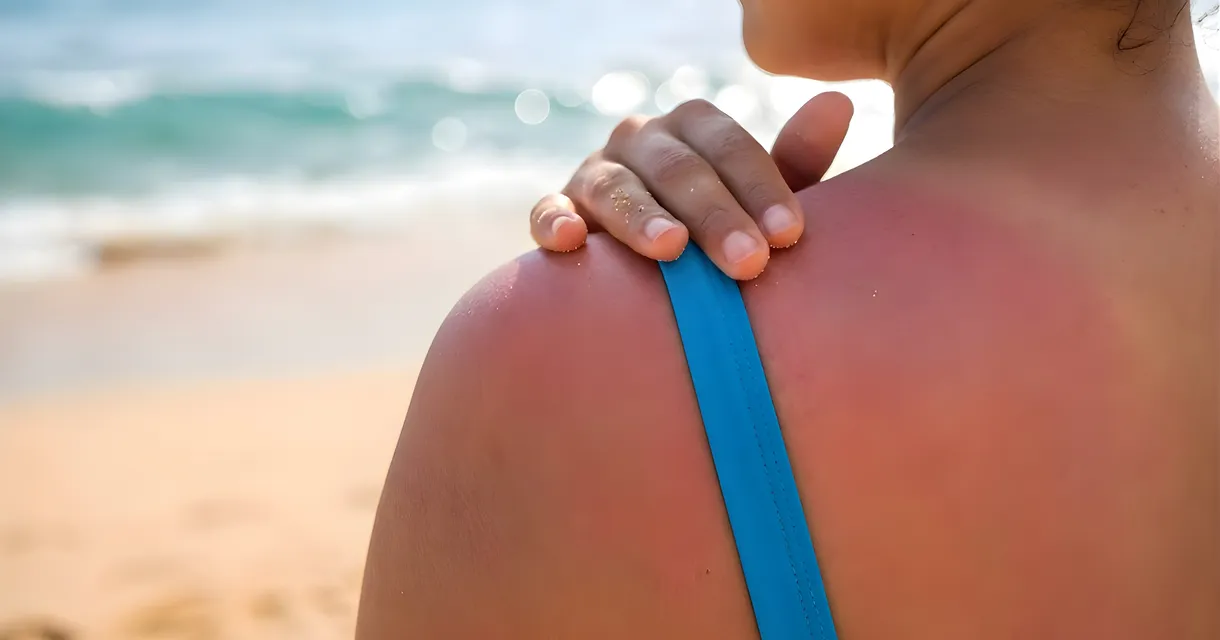
Sunburn can happen faster than you expect. And once it does, knowing how to treat it properly can make a big difference in how quickly your skin recovers.
Whether you’re dealing with redness, pain, or peeling, the right sunburn relief steps can help soothe irritation, support healing, and prevent further damage.
Key Takeaways
- Sunburn is caused by UV damage and can lead to redness, pain, peeling, and irritation, often appearing hours after sun exposure.
- Fast sunburn relief focuses on cooling and hydration, using soothing products like aloe vera and after-sun lotions.
- Avoid further sun exposure while healing, as this can worsen damage and slow recovery.
- Most mild sunburns heal within 5–7 days, progressing from redness to peeling and gradual skin renewal.
- Prevention is key, including using SPF 30+, reapplying sunscreen regularly, and limiting time in strong sun.
What Is Sunburn?
Sunburn is a type of skin damage caused by overexposure to ultraviolet (UV) radiation, usually from the sun. It occurs when the skin’s natural protection is overwhelmed, leading to inflammation, redness, and irritation.
In simple terms, sunburn is your skin’s reaction to too much UV exposure, and it can range from mild redness to more severe damage, including blistering and peeling.
What Are the Main Symptoms of a Sunburn?
Sunburn symptoms can vary depending on how severe the burn is, but the most common signs include:
- Red, inflamed skin
- Pain or tenderness to touch
- Warm or hot skin
- Dryness and tightness
- Peeling after a few days
- Itching or irritation
- Swelling (in more severe cases)
- Blisters (in more serious burns)
Sunburn symptoms don’t always appear straight away. In many cases, it can take several hours for redness and discomfort to develop, which means you might not realise your skin is burning while you’re still in the sun.
Factors like wind or swimming can also make your skin feel cooler, masking the damage as it happens.
A few days later, the affected skin may begin to dry out, flake, and peel as it heals. Most mild sunburns typically settle within about a week.
What Causes Sunburn?
Sunburn is caused by overexposure to ultraviolet (UV) radiation, which damages the skin’s outer layers.
Let’s see what can lead to that:
- Prolonged exposure to direct sunlight
- Not using sunscreen or using too little
- Not reapplying sunscreen regularly
- Using a low SPF (<30) in strong sunlight
- Reflection from surfaces such as water, sand or snow
- Tanning beds or sunbeds
Read also: What is SPF & Why Is It So Important?
How Is Sunburn Treated?
There’s no instant “cure” for sunburn, but the right approach can provide fast relief and support healing. Let’s take a look at the most effective ways to soothe and treat sunburn:
1. Cool the Skin Immediately
The first step is to reduce heat in the skin:
- Take a cool (not cold) shower or bath
- Apply a damp, cool cloth to affected areas
- Avoid ice directly on the skin, as it can worsen irritation
2. Keep Skin Hydrated
Sunburn draws moisture away from your skin.
- Drink plenty of water
- Use moisturisers regularly
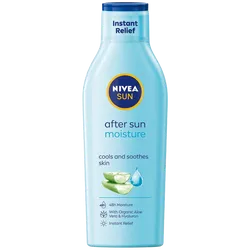
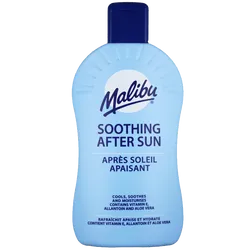
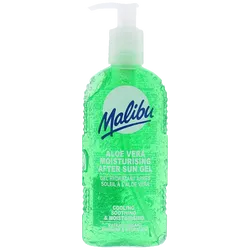
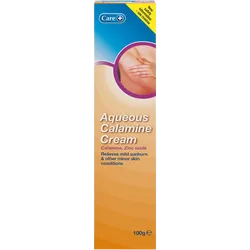
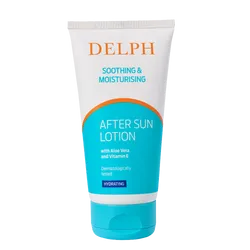
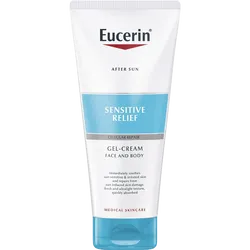
3. Use Soothing After Sun Products
After sun care products can help calm inflammation and support recovery.
Look for:
- Aloe vera gels
- After sun lotions
- Cooling sprays
- Fragrance-free formulas
These help reduce redness and discomfort while keeping the skin hydrated.
4. Try Gentle At-Home Remedies
Some simple remedies can provide relief:
- Aloe vera (natural or gel-based)
- Oat baths to reduce itching
- Moisturising lotions for dryness
- Loose clothing to avoid friction
Expert tip: Avoid harsh DIY remedies like vinegar or essential oils, which can irritate the skin further.
5. Avoid Further Sun Exposure
Let your skin heal:
- Stay out of direct sunlight
- Cover affected areas
- Avoid heat and friction
6. Consider Pharmacy Treatments
For more severe discomfort, pharmacy options may help:
- Pain relief products (e.g. ibuprofen or paracetamol) to reduce pain
- Anti-inflammatory creams to help calm redness, swelling, and irritation
- Hydrating skin treatments to help restore moisture
If symptoms worsen or you develop blistering, fever, or severe pain, it’s important to seek medical advice.
Sunburn Healing Stages: What to Expect
Understanding how sunburn develops and heals can help you manage symptoms more effectively and avoid further irritation:
1. Day 1-2: Redness, Heat, and Sensitivity
- This is when inflammation peaks.
- Skin may feel hot, tight, and painful to the touch.
- Increased blood flow to the area is part of the body’s natural healing response.
- Mild swelling can sometimes occur.
2. Day 3-5: Dryness, Itching, and Peeling
- Damaged skin cells begin to shed as part of the repair process.
- Peeling and flaking are common.
- Itching may increase as the skin heals.
3. Day 5+: Recovery and Skin Renewal
- New skin cells replace the damaged ones.
- Redness and discomfort gradually fade.
- Skin may remain slightly sensitive for a few days.
- Continued hydration and sun protection help support full recovery.
How to Prevent Sunburn
Prevention is always better than treatment. To protect your skin, do the following:
- Apply sunscreen generously before sun exposure
- Reapply every 2 hours
- Use SPF 30 or higher
- Wear protective clothing, hats, and sunglasses
- Stay in the shade during peak hours (11am–3pm)
If you’re unsure how much sunscreen to apply, check our related guide!
Who Is at Risk of a Sunburn?
Anyone can get sunburn, but some people are more vulnerable:
- People with pale or light brown skin
- Children and babies, as their skin is more delicate (by the way, see our sun safety tips for children)
- Those who have freckles or red hair
- Those spending long periods outdoors
- People not using sunscreen correctly
- Individuals on medications that increase sun sensitivity
- Individuals who have a family history of skin cancer
How to Treat a Sunburn — Final Thoughts
Sunburn can be uncomfortable, but the right care can help your skin recover more quickly and comfortably. Acting early, staying hydrated, and using soothing products can make a noticeable difference in how your skin heals.
Explore Weldricks’ range of sunburn relief products to help soothe, hydrate, and support your skin after sun exposure!
FAQs
Do sunburns turn to a tan?
Sometimes (usually in mild cases), but this still indicates skin damage and should be avoided.
What’s the worst day of a sunburn?
Usually, the first day. That’s when inflammation is at its peak.
Will sleeping help heal a sunburn?
Yes, sleeping and rest increase the production of healing proteins, such as cytokines, and support the body’s natural healing process.
Can I use ice on a sunburn?
No, ice can damage sensitive skin further. Use cool compresses instead.
Published 24th June 2026 by
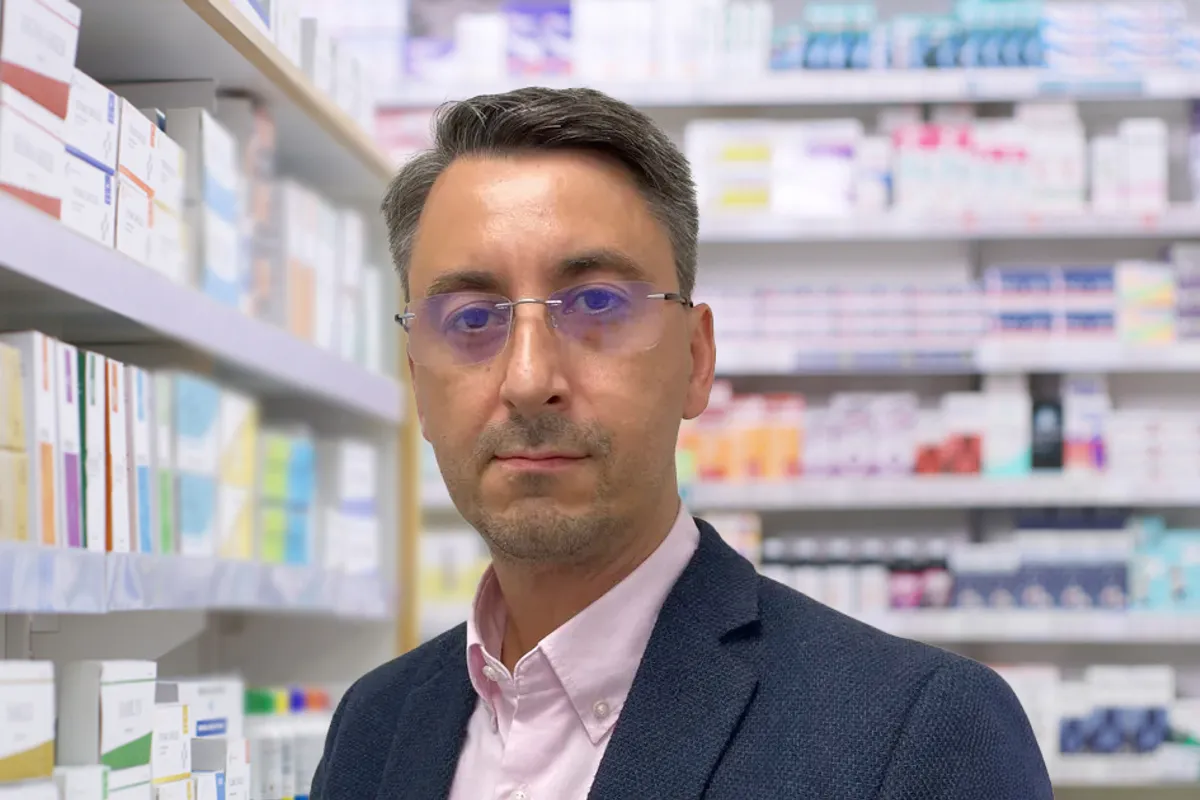
Allan Green
Registered Pharmacist & Head of E-commerce
Allan has been a Registered Pharmacist for 25+ years
He specializes in Ecommerce and Over the Counter medicines.
He is a Registered Pharmacist, who studied at University of Bradford.
He has been with Weldricks since 2006, starting as a branch manager before moving into area management and deputy superintendent roles.
His current responsibilities include web development, marketing, content, customer service and web operations teams.