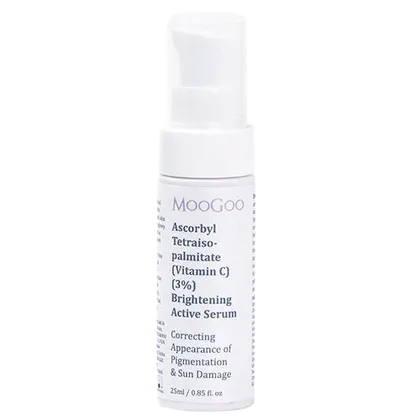
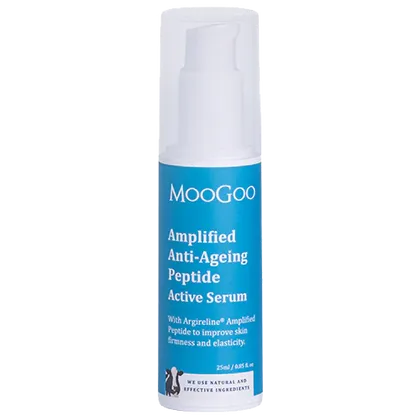
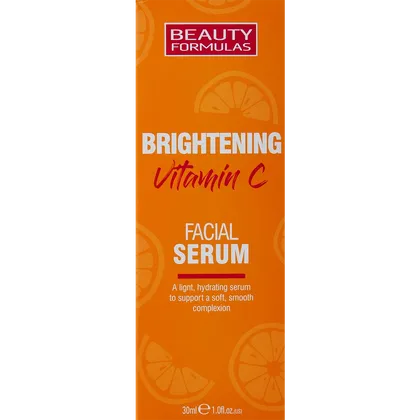
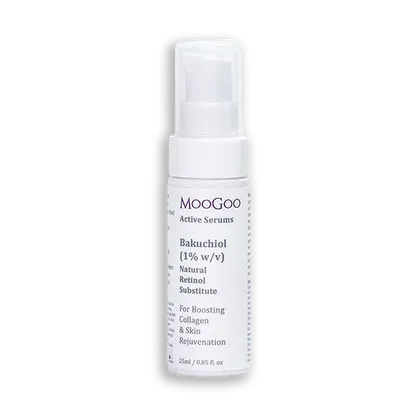
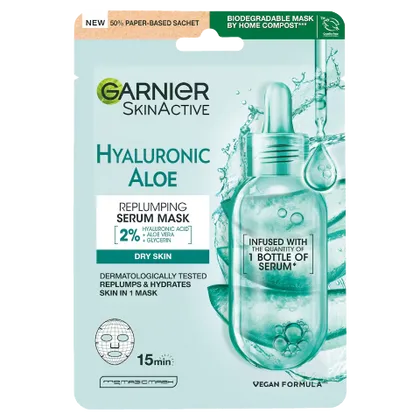
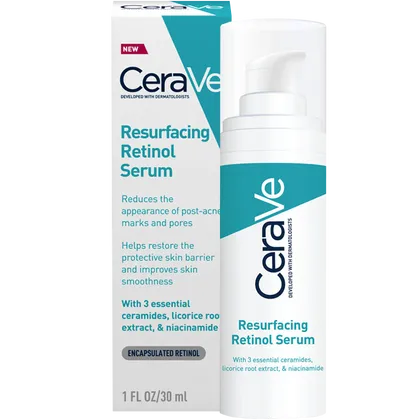
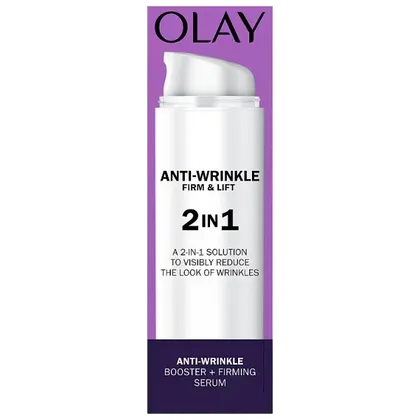
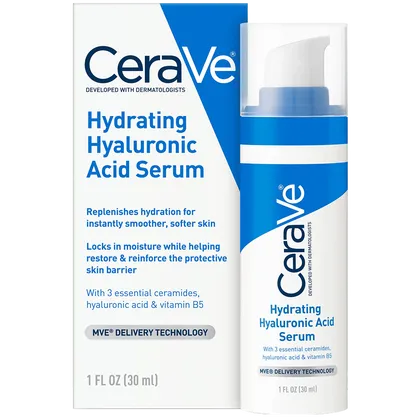
A face serum is a lightweight, highly concentrated liquid treatment designed to target specific skin concerns with precision. Serums typically contain a higher density of active molecules and fewer heavy oils or fillers than a moisturiser, allowing them to absorb quickly and penetrate deeper into the skin's surface layers. Moisturisers, on the other hand, primarily focus on hydrating the skin's surface and creating a protective barrier.
For optimal absorption, always apply your face serum to freshly cleansed and toned skin. It should be applied before your moisturiser or night cream. A general rule of thumb for layering skincare is to go from the thinnest consistency to the thickest. If using a morning treatment like Vitamin C, remember to follow up with a broad-spectrum SPF to protect your skin from UV damage.
Yes, you can layer serums, but it's generally best to limit yourself to one or two per routine to avoid overwhelming the skin and to allow each product to work effectively. When layering, apply the most lightweight, water-based serum first, followed by a richer or oil-based formula. Be mindful of conflicting active ingredients; for example, avoid mixing Retinol with high-strength Vitamin C or Salicylic Acid in the same routine, as this can sometimes cause irritation. Instead, alternate them between your morning and evening routines.
For oily or acne-prone skin, look for serums containing ingredients like Salicylic Acid, Niacinamide, or Tea Tree Oil. These can help to regulate sebum production, minimise pores, reduce inflammation, and prevent breakouts. Serums with a lightweight, non-comedogenic formula are ideal to avoid clogging pores.