Blisters are a common skin complaint, often caused by friction, burns, or certain medical conditions. They form as small pockets of fluid under the skin, designed to protect the damaged area and aid healing.
While usually harmless, they can be painful and uncomfortable, making everyday activities challenging.
At Weldricks Pharmacy, we understand the discomfort blisters can cause. Whether it's a new pair of shoes, sports activity, or a minor burn, finding effective relief is key. We offer a range of trusted solutions to help manage pain, prevent infection, and promote faster healing.
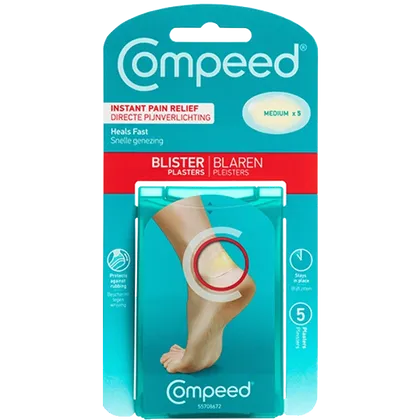
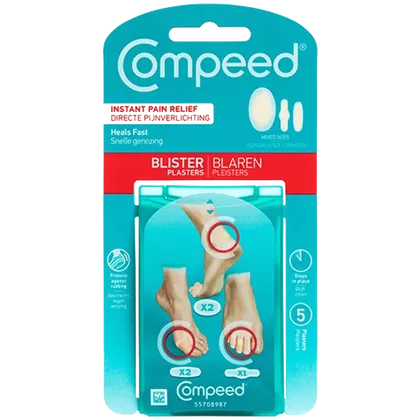
Taking proper care of a blister is essential to prevent complications. Explore our expert advice and find products from leading brands like Compeed for effective blister plasters, or consider options from Profoot for prevention and foot health.