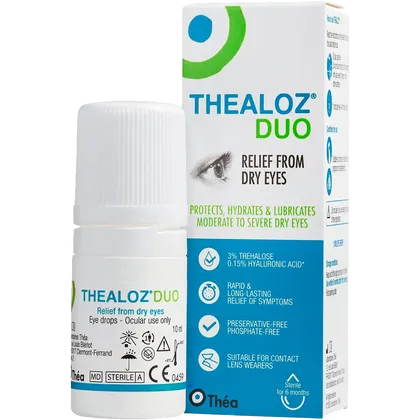
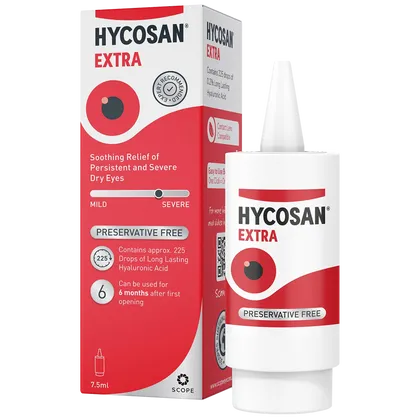
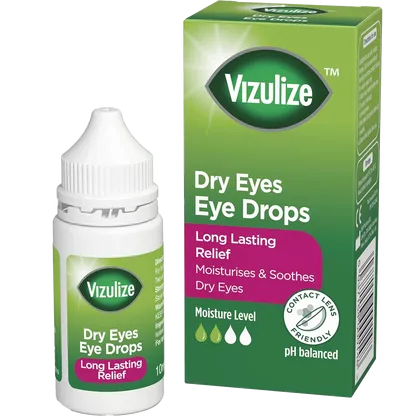
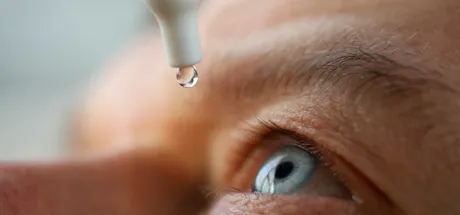
Common symptoms of eye problems include redness, irritation, itching, blurred vision, excessive tearing, or a gritty sensation. Specific conditions like blepharitis may also cause swelling, flaking, or crusting of the eyelids.
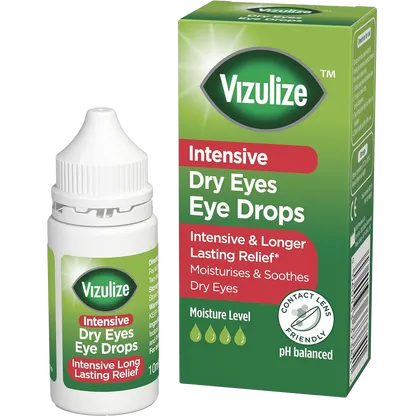
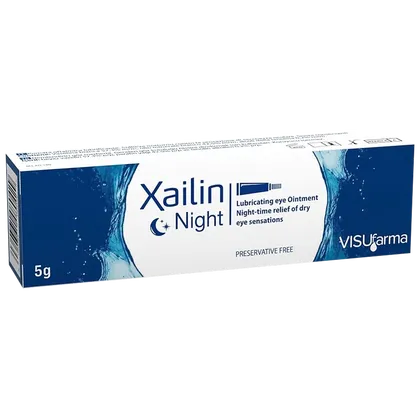
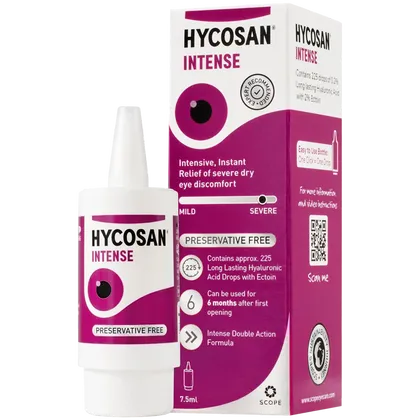
Dry eyes can stem from various factors such as prolonged screen time, environmental conditions (like wind, smoke, or air conditioning), certain health conditions, and even some over-the-counter or prescription products. Aging also commonly contributes to decreased tear production. Using lubricating eye drops can often provide relief.
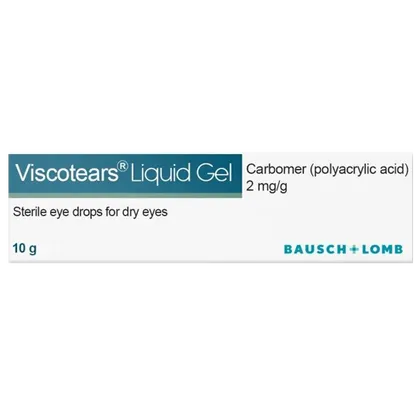
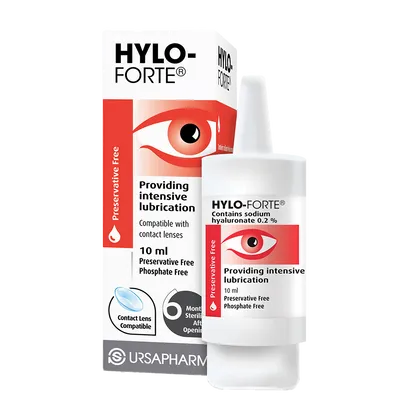
Relieving dry eyes often involves using artificial tears or lubricating eye drops, such as Viscotears or Hylo-Forte, regularly. Increasing humidity in your environment, taking breaks from screens, and staying hydrated can also help. For persistent symptoms, consider consulting a healthcare professional.
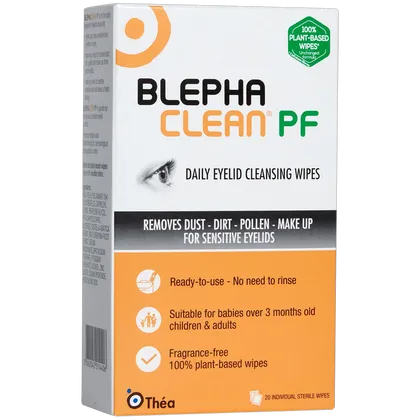
Blepharitis is an inflammation of the eyelids, often characterised by redness, irritation, and crusting around the eyelashes. Treatment typically focuses on regular eyelid hygiene, using specialised cleansing wipes like Blephaclean or warm compresses. In some cases, a healthcare professional might recommend additional treatments.
Many over-the-counter eye drops are formulated for safe daily use to manage common eye problems like dryness or irritation. Always check the product's instructions and expiry date. If you have any underlying eye conditions, use other eye products, or if symptoms persist, it's always best to consult a pharmacist or your GP for personalised advice.
It's important to seek professional medical advice if your eye problems are severe, worsening, or include symptoms like sudden vision changes, intense pain, sensitivity to light, or discharge. A pharmacist can also offer guidance on when to seek further medical attention.
Mild eye infections may improve within a few days, while others can take up to 1–2 weeks, depending on the cause and treatment used. If symptoms worsen or persist, medical advice should be sought.
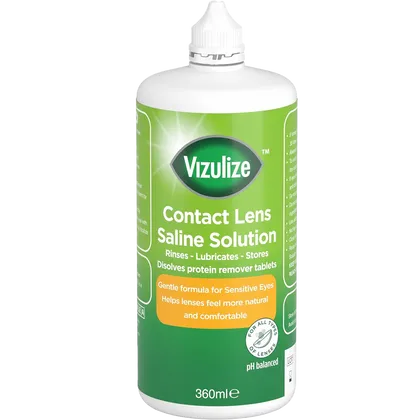
It’s generally advised not to wear contact lenses if you have an eye infection or significant irritation. Resume lens use only once symptoms have fully cleared and after cleaning or replacing lenses and cases.