Vitamin K is found in a variety of foods, with the highest amounts typically coming from leafy green vegetables like kale, spinach, and broccoli. Other good sources include fish, meat, dairy, and fermented foods like natto.
Vitamin K deficiency can occur due to a variety of reasons, such as inadequate dietary intake, poor absorption in the digestive system, or certain medical conditions like liver disease. It's also common in individuals who take medications that interfere with Vitamin K absorption.
Vitamin K is crucial for babies, especially in the first few months of life, to prevent bleeding disorders such as Vitamin K deficiency bleeding (VKDB). Newborns are often given a Vitamin K shot shortly after birth to ensure they receive an adequate amount.
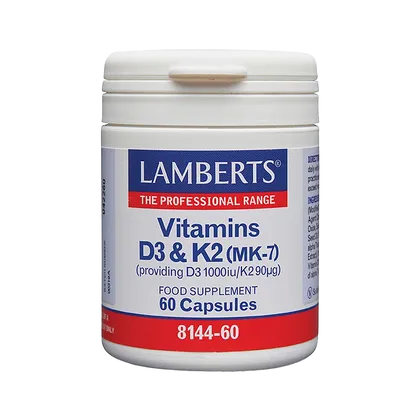
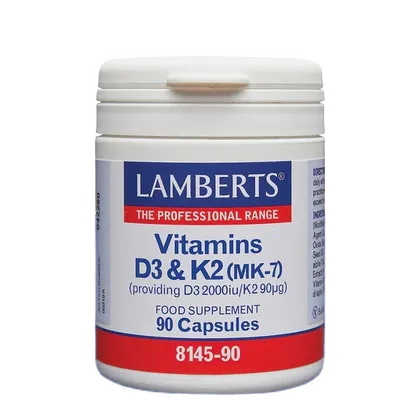
Yes, Vitamin K works synergistically with Vitamin D to regulate calcium levels in the body. Vitamin D helps increase calcium absorption, while Vitamin K ensures that Calcium is deposited in the bones rather than in the arteries or other soft tissues. A balance of both Vitamins is key to optimal bone and cardiovascular health.