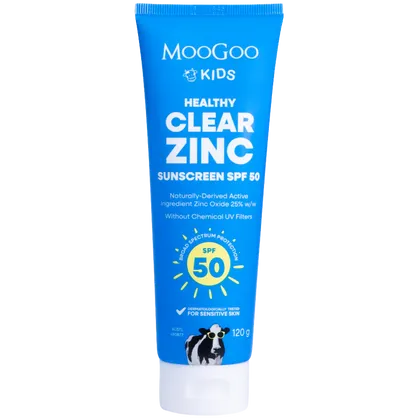
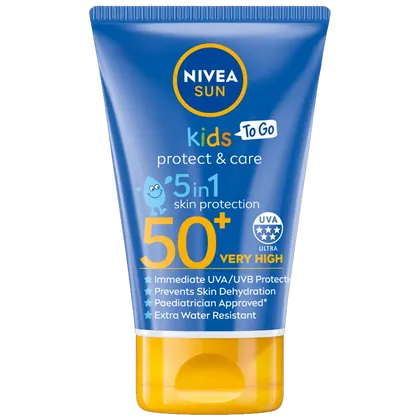
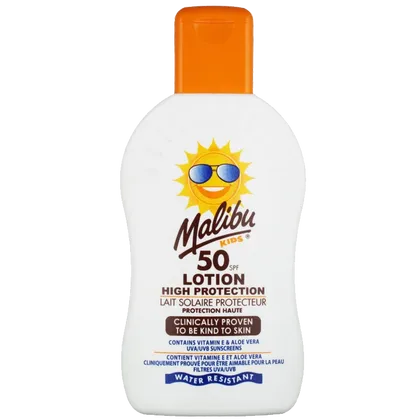
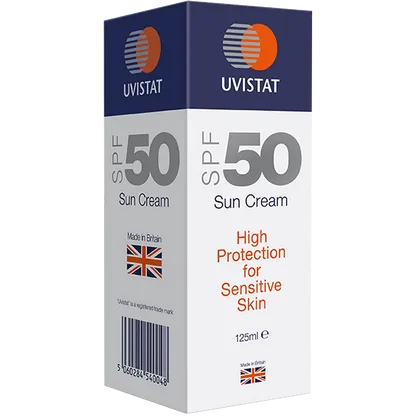
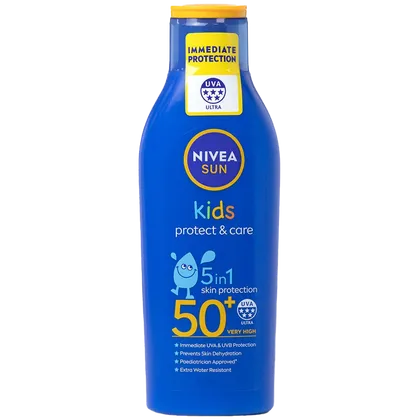
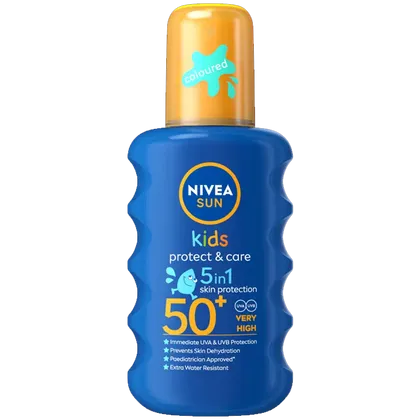
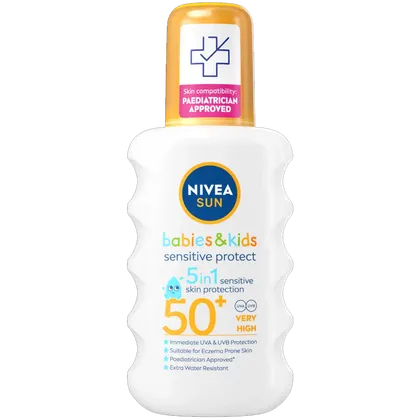
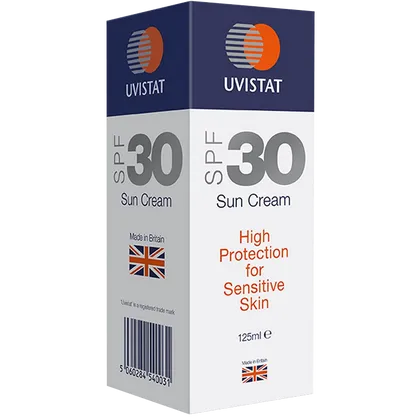
Protecting your baby's delicate skin from the sun's harmful UV rays is paramount. At Weldricks Pharmacy, we understand the importance of gentle yet effective sun protection for your little ones.
Our carefully selected range of baby sunscreens offers high SPF factors, often between 30 and 50+, to provide robust defence against sunburn and long-term skin damage.
Choosing the right sunscreen means looking for formulas specifically designed for sensitive baby skin, often mineral-based with zinc oxide or titanium dioxide, which create a physical barrier. These products are typically fragrance-free and hypoallergenic, minimising the risk of irritation. Explore our collection to find trustworthy options that ensure your baby can enjoy the outdoors safely.
Why Baby Sunscreen is a Must-Have for Every Parent
Babies and young children have much thinner skin than adults, making them far more susceptible to sun damage. Even on cloudy days, UV radiation can penetrate, posing a risk to their health. Using a broad-spectrum baby sunscreen, alongside other sun safety measures, is crucial for preventing sunburn and protecting against future skin concerns.
High SPF Protection: Always opt for SPF 30 or higher, providing strong defence against UVB rays that cause sunburn.
Broad-Spectrum Formula: Ensures protection against both UVA (responsible for premature ageing and long-term damage) and UVB rays.
Water Resistance: Essential for active babies, particularly during splashing or humid weather, though reapplication after swimming is still key.
Gentle Ingredients: Look for hypoallergenic and fragrance-free options, often featuring mineral filters like zinc oxide and titanium dioxide, which are less likely to irritate sensitive skin.
Application Tips for Maximum Protection
Applying sunscreen correctly is just as important as choosing the right product. Follow these simple steps to keep your baby protected:
Apply sunscreen generously to all exposed skin at least 20-30 minutes before going outside.
Don't forget areas like ears, neck, hands, and tops of feet.
Reapply every two hours, or more frequently if your child is swimming, sweating, or towel-drying.
For babies under 6 months, it's best to keep them out of direct sunlight entirely. Use shade, hats, and protective clothing as their primary defence.
Combine sunscreen use with shade, hats, and appropriate clothing for comprehensive sun safety. For more expert advice, explore our Stay Safe in the Sun guide and our comprehensive advice on choosing the best sun cream.
At what age can I start using sunscreen on my baby?
It is generally recommended to keep babies under 6 months old out of direct sunlight. Their skin is extremely sensitive and not fully developed to handle sunscreen chemicals. For babies over 6 months, you can begin to use high-factor (SPF 30-50+), broad-spectrum sunscreens specifically formulated for babies.
What type of sunscreen is best for a baby's sensitive skin?
For babies, mineral-based sunscreens (containing zinc oxide or titanium dioxide) are often recommended. These create a physical barrier on the skin's surface and are generally less irritating than chemical sunscreens. Look for products labelled 'hypoallergenic', 'fragrance-free', and 'for sensitive skin'.
How often should I reapply baby sunscreen?
Sunscreen should be reapplied generously every two hours, or more frequently if your baby has been swimming, sweating, or towel-dried. Even water-resistant sunscreens lose effectiveness over time, so regular reapplication is essential for continuous protection.
Can babies get sunburn on a cloudy day?
Yes, absolutely. Up to 80% of the sun's UV rays can penetrate clouds, meaning your baby is still at risk of sunburn even on an overcast day. It's important to practice sun safety, including applying sunscreen, regardless of the weather.
Ensuring your baby's skin is protected from the sun is a key part of their health and wellbeing. By choosing appropriate baby sunscreens and following safe sun practices, you can help them enjoy the outdoors while minimising risks. Always consult with a healthcare professional if you have specific concerns about your baby's skin or sun exposure. For further information and guidelines on keeping your child safe in the sun, please refer to the official NHS advice on safety in the sun for babies.