Which Sunscreen Should You Use? A Simple Guide to SPF Types
In this guide

As we enter the summer months, although the UK may not always experience extreme heat, it’s still essential to ensure our skin is protected from harmful UV rays.
With so many options available, choosing the right sunscreen can feel overwhelming.
This guide breaks down the different types of sunscreen, explains SPF, and helps you decide which sunscreen you should use based on your skin type and lifestyle!
What Is SPF & What Does It Do?
SPF (Sun Protection Factor) measures how well a sunscreen protects your skin from UVB rays, the main cause of sunburn.
In simple terms, SPF shows how long your skin is protected compared to wearing no sunscreen at all. However, it doesn’t mean you can stay in the sun indefinitely; reapplication is still essential.
For more on SPF and the importance of sun protection, see our related guide!
What’s The Difference Between UVA & UVB Rays?
- UVA rays: They penetrate deeper into the skin and contribute to premature ageing and long-term skin damage (e.g., skin cancer).
- UVB rays: They affect the outer skin layer and are the main cause of sunburn. They can also lead to skin cancer.
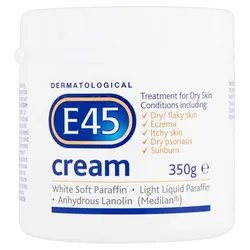
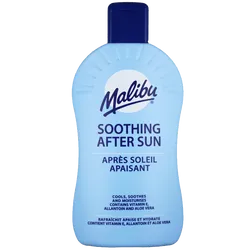
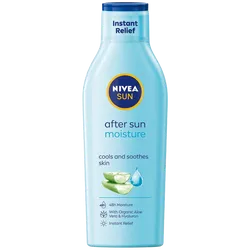
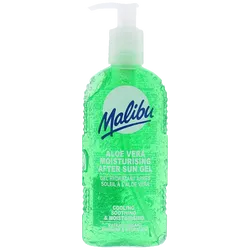
Find trusted sunburn relief products to help soothe and protect your skin after sun exposure!
So, What Do SPF Numbers Mean?
|
SPF level |
Protection level |
What it means in theory |
What it means in practice |
|
SPF 15 |
~93% UVB protection |
Would take ~15 times longer to burn (with correct use) |
Suitable for short sun exposure |
|
SPF 30 |
~97% UVB protection |
Would take ~30 times longer to burn |
Suitable for moderate outdoor activity and daily use in the UK |
|
SPF 50 |
~98% UVB protection |
Would take ~50 times longer to burn with proper application |
Recommended for strong sun, prolonged exposure, sensitive skin, and high risk groups |
|
SPF 100* |
~99% UVB protection |
Would take ~100 times longer to burn in theory, but real-world difference is minimal |
Very high protection, but only marginally higher than SPF 50 |
*Dermatologists often recommend SPF 30 to 50, as the increase in protection beyond this range is relatively small. While SPF 100 offers slightly higher UVB protection, it can sometimes create a false sense of security, making people less likely to reapply sunscreen as often as they should.
What Are The Main Types Of Sunscreens?
The main types of sunscreen are chemical and physical (mineral) sunscreens. Both protect your skin from UV damage, but they work in slightly different ways.
Chemical Sunscreens
Chemical sunscreens (also known as synthetic sunscreens) are absorbed into the skin and tend to have a lighter texture, making them popular for facial use.
Here’s how they work:
- They absorb UV rays.
- They convert them into heat energy.
- They release that heat from the skin back into the air.
- They prevent the skin from harm.
Important: Apply 15-20 minutes before sun exposure for best results.
Physical (Mineral) Sunscreens
Physical sunscreens are thicker in formula and sit on the surface of the skin, instead of being absorbed into it. This way, they act as a protective barrier from the sun’s UV rays.
Here’s how they work:
- They sit on the surface of the skin.
- They reflect UV rays away from it.
- They provide instant protection after application.
Common ingredients physical sunscreens contain include:
- Zinc oxide
- Titanium dioxide
Is Chemical or Physical Sunscreen Better?
There isn’t necessarily a right or wrong type of sunscreen to use on your skin.
However, there are positives and negatives of using each, depending on where on your body you are using it, how long you need your sunscreen to last and how easy you need it to be to apply.
Let’s take a closer look at their pros and cons:
Pros of physical sunscreens
- Effective immediately after application
- Gentle on sensitive skin
- Leave a white cast on the skin, making it easy to identify where you have applied sunscreen and avoid missing any spots
- Suitable for sensitive skin
Cons of physical sunscreens
- Leave a white cast, which may not be desirable for some people who prefer their sunscreen to be invisible or undetectable
- Can be easily washed off, wiped, or sweated off
- Require frequent reapplication, as they sit on the surface of the skin
Pros of chemical sunscreens
- Lightweight and easy to apply
- No visible residue
- Often more water-resistant
Cons of chemical sunscreens
- Need time to absorb
- May irritate sensitive skin
- Require more careful application
How To Choose The Best Sunscreen For Your Skin
To choose the right sunscreen, it’s important to consider the following key factors:
1. Choose the right SPF level
Choosing the right SPF is one of the most crucial factors when selecting a sunscreen.
- SPF 30: It’s suitable for everyday use and daily activities, such as commuting or short periods outdoors. It provides a good level of protection for most people when UV levels are moderate.
- SPF 50: It offers a higher level of protection and is recommended if you have fair or sensitive skin, are prone to burning, or are spending longer periods outdoors.
- SPF 50+: It’s best for intense or prolonged sun exposure, such as beach holidays, outdoor sports, or high UV index conditions.
2. Make sure it’s broad-spectrum
Always choose a sunscreen labelled “broad-spectrum”, meaning it protects against both UVA and UVB rays.
A sunscreen without broad-spectrum protection may still leave your skin exposed to UVA damage, even if it has a high SPF.
Read also: How to Protect Your Skin from UV Rays - Sun Safety.
3. Consider your skin type
Your skin type plays a key role in choosing the right sunscreen, as the wrong formula can lead to irritation, breakouts, or dryness.
Which sunscreen should I use for oily skin?
Look for lightweight formulas that won’t clog pores or feel greasy. The best options for oily skin include:
- Oil-free and non-comedogenic formulas
- Gel, fluid, or mattifying textures
- Fast-absorbing, lightweight finishes
Which sunscreen should I use for dry skin?
Dry skin benefits from sunscreens that also provide hydration and support the skin barrier. Look for products that offer:
- Cream-based or lotion formulas
- Ingredients like glycerin or hyaluronic acid
- Nourishing, moisturising textures
Which sunscreen should I use for sensitive skin?
Sensitive skin requires gentle, low-irritation formulas. The most suitable options are usually:
- Mineral (physical) sunscreens
- Fragrance-free and alcohol-free options
- Minimal ingredient lists
Which sunscreen should I use for combination skin?
Combination skin needs a balance between hydration and oil control. A good choice would typically include:
- Lightweight lotions or fluids
- Non-greasy, breathable formulas
- Balanced hydration without heaviness
4. Check the ingredients
If you have sensitive skin, allergies, or are buying sunscreen for children, it’s important to check the ingredients list carefully. Two main ingredients approved by the FDA to look out for in physical sunscreens are:
- Zinc Oxide
- Titanium Dioxide
For a full breakdown, see our guide on which sunscreen ingredients to avoid.
5. Choose the right formula
Sunscreens come in different formats. To choose the right one, consider the following:
|
Sunscreen type |
Best for |
Key benefits |
What to watch out for |
|
Lotions & creams |
Face & body |
Easy to apply evenly, reliable coverage |
Can feel heavier on oily skin |
|
Sprays |
Quick application, children |
Fast and convenient for large areas |
Can miss spots if not rubbed in properly |
|
Gels |
Oily or acne-prone skin |
Lightweight, non-greasy feel |
May not be hydrating enough for dry skin |
|
Sticks |
Face, lips, targeted areas |
Precise application, great for reapplication |
Not suitable for large areas |
|
Mousses/foams |
Body application |
Easy to spread, lightweight texture |
Less common, may still require thorough blending |
6. Think about your activity
Your daily routine and environment should also influence your sunscreen choice. For example:
- For swimming or exercise → The best option is a chemical sunscreen, which absorbs into the skin and is water-resistant. Physical sunscreens can be easily sweated or washed off.
- For everyday use → The best option is a lightweight sunscreen that feels comfortable on the skin and is easy to apply consistently. Chemical sunscreens are often preferred for daily use, as they absorb quickly and leave no visible residue.
- For strong sun exposure → Choose a physical sunscreen to ensure there’s a shield between your skin and the sun.
Choosing The Right Sunscreen — Conclusion
Choosing the right sunscreen doesn’t have to be complicated. By understanding the different SPF levels, the role of UVA and UVB protection, and how various formulas and ingredients work, you can make a more informed decision.
Explore a wide range of trusted sunscreens and find the right option to keep your skin protected, healthy, and comfortable all year round!
FAQs
Should I apply sunscreen before or after moisturiser?
Apply sunscreen after moisturiser as the final step in your skincare routine.
Which sunscreen can I use during pregnancy?
Mineral sunscreens are generally preferred due to their gentle formulation.
Which SPF should I use in winter?
Use a broad-spectrum sunscreen with an SPF of 30 or 50 every day. UVB rays may be weaker in winter, but UVA rays that cause premature ageing remain strong.
Do people with darker skin tones need sunscreen?
Yes—although darker skin has more natural protection, it can still be affected by UV damage and pigmentation.
How much sunscreen should I use on my face?
Apply at least 1 teaspoon (5 ml) of sunscreen to your face.
For more expert advice on sunscreen amounts and other practical tips, see our related guide.
Published 15th June 2022 by

Allan Green
Registered Pharmacist & Head of E-commerce
Allan has been a Registered Pharmacist for 25+ years
He specializes in Ecommerce and Over the Counter medicines.
He is a Registered Pharmacist, who studied at University of Bradford.
He has been with Weldricks since 2006, starting as a branch manager before moving into area management and deputy superintendent roles.
His current responsibilities include web development, marketing, content, customer service and web operations teams.
Related Products
-
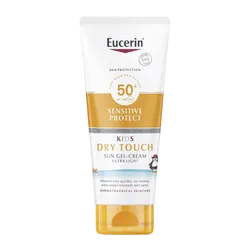
Eucerin Sun Kids Sensitive Protect Gel-Cream SPF50+ 200ml £15.90 save £7.65
-
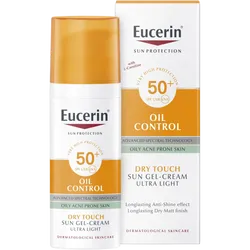
Eucerin Sun Oil Control Gel-Cream Dry Touch SPF50+ 50ml £14.90 save £5.65
-
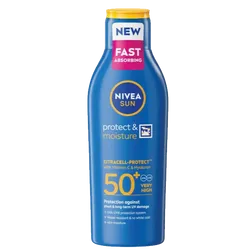
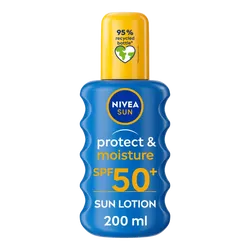
Nivea Sun Protect & Moisture Lotion SPF50+ UVA 5* 200ml £8.49 save £7.46
-
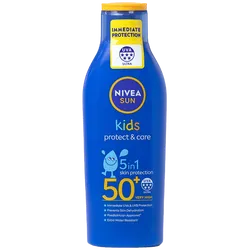
Nivea Sun Kids Protect & Care Lotion SPF50+ UVA 5* 200ml £7.50 save £9.30
-
Nivea Sun Moisturising Spray SPF50+ 200ml £8.99 save £9.40
-
Nivea Sun Moisturising After Sun Lotion 200ml £3.49 save £4.36
-
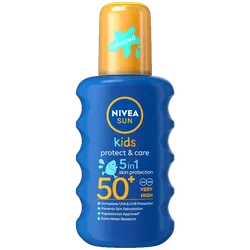
Nivea Sun Kids Protect & Care Spray SPF50+ UVA 4* 200ml £7.50 save £10.89
-
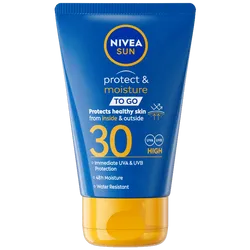
Nivea Sun Protect & Moisture SPF30 50ml £2.35 -
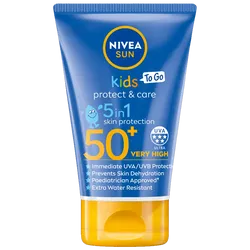
Nivea Sun Kids Protect & Care Lotion SPF50+ UVA 5* 50ml £2.79 -
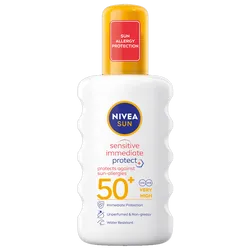
Nivea Sun Sensitive Immediate Protect Spray SPF50+ UVA 4* 200ml £11.49 -
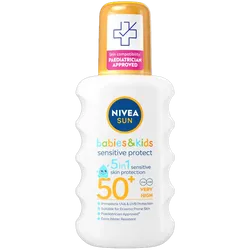
Nivea Sun Babies & Kids Sensitive Protect Spray SPF50+ UVA 4* 200ml £9.69 save £9.90
-
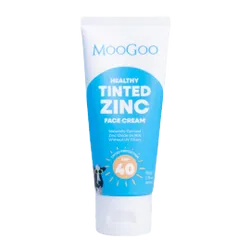
MooGoo Tinted SPF 40 Face Cream 50g £10.29 save £2.21
-
MooGoo Sunscreen SPF40 120g £15.20 save £1.30
-
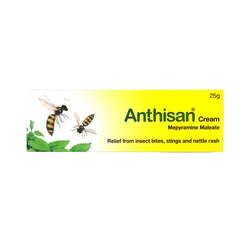
Anthisan Cream 25g £5.65 save £1.05
-
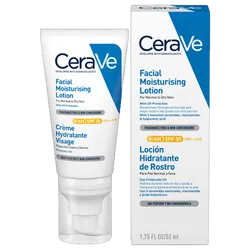
CeraVe Facial Moisturising Lotion SPF30 52ml £12.75 -
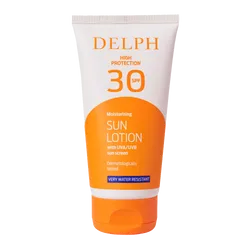
Delph Sun Lotion SPF30 150ml £4.99 save £4.00
-
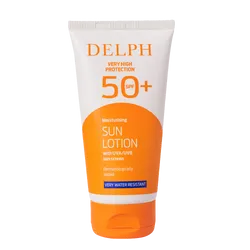
Delph Sun Lotion SPF50+ 150ml £7.19 save £2.80
-
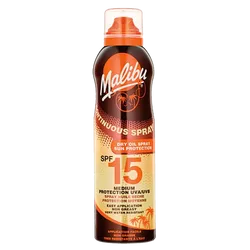
Malibu Continuous Dry Oil Spray SPF15 175ml £4.25 save £5.74
-
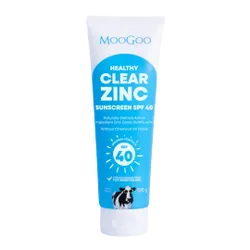
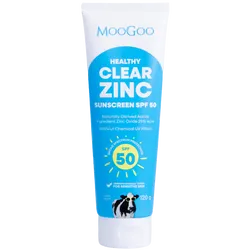
MooGoo Clear Zinc Sunscreen SPF50 120g £16.99 save £0.91
-
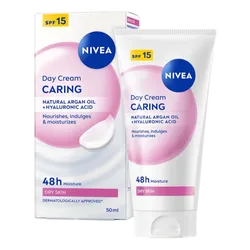
Nivea Caring Day Cream SPF 15 50ml £4.59 save £0.40
-
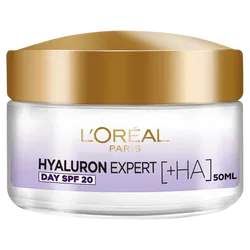
L'Oreal Paris Hyaluron Expert Day Cream SPF20 50ml £4.99 save £5.00