When your child has a cold or flu, finding the right relief can make all the difference. At Weldricks Pharmacy, we understand how worrying it can be to see your little one unwell.
That's why we offer a comprehensive range of child cold medicine and flu remedies, specifically chosen for their safety and effectiveness.
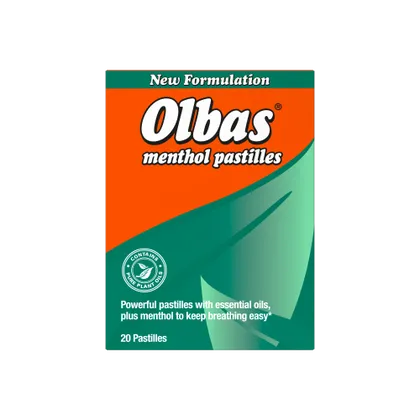
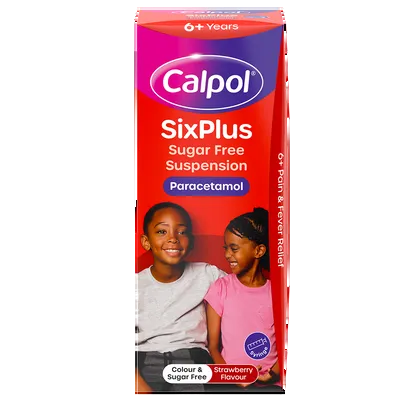
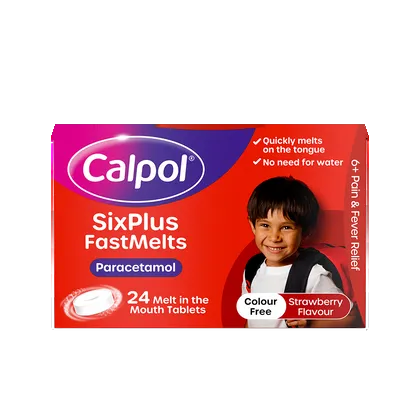
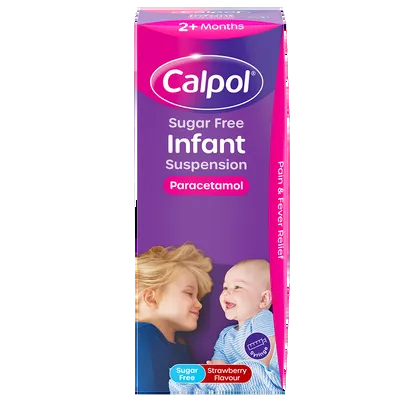
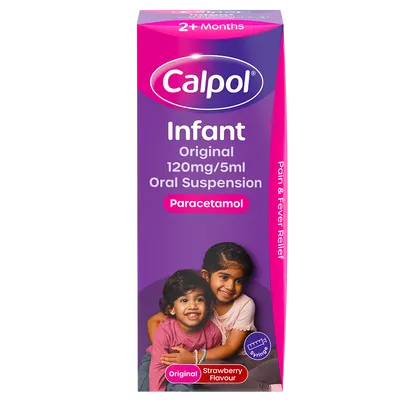
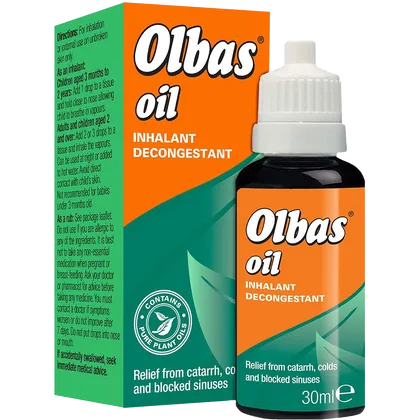
From soothing syrups to gentle nasal sprays, we stock trusted brands like Calpol, Nurofen, and Olbas Oil to help ease common symptoms such as a blocked nose, coughs, and sore throats. Explore our selection to find the gentle yet powerful solutions needed to help your child feel more comfortable and recover quicker.
Choosing the Right Cold & Flu Medicine for Your Child
Navigating the options for child cold and flu relief can be overwhelming, but Weldricks Pharmacy is here to help. Our extensive range includes options tailored for infants, toddlers, and older children, ensuring you can find suitable products for their specific needs.
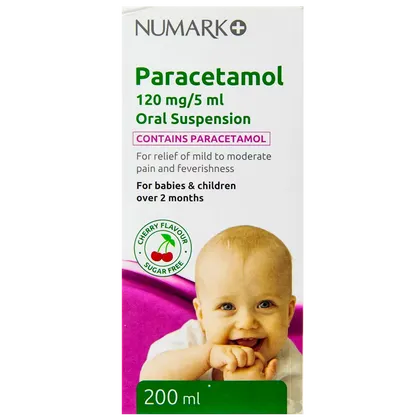
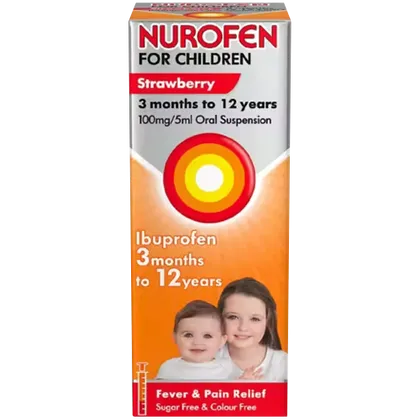
Pain and Fever Relief: Medicines containing paracetamol or ibuprofen, such as Calpol or Nurofen for Children, are essential for reducing fever and easing aches. Always check age restrictions and dosages carefully.
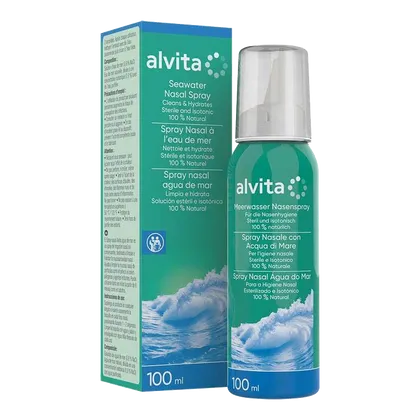
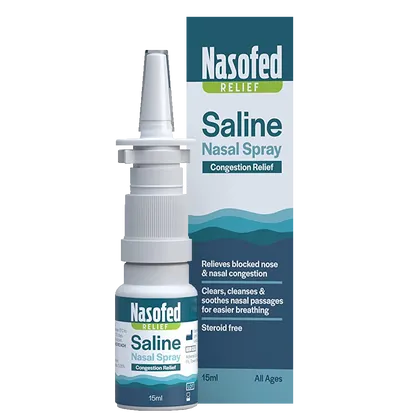
Congestion Relief: Saline nasal sprays like Calpol Saline Nasal Spray and Sterimar are excellent for clearing blocked noses gently, even for babies. For older children, vapour rubs can also provide comfort and help with breathing.
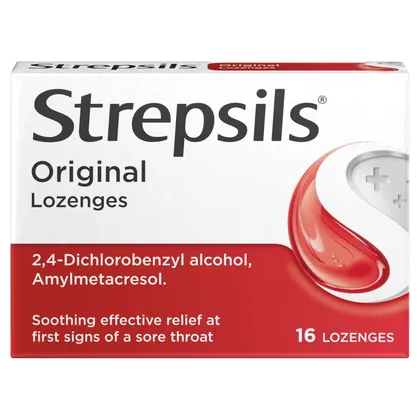
Cough & Sore Throat Remedies: We offer a variety of child-friendly cough syrups and lozenges, including options from Strepsils and Ultra Chloraseptic, designed to soothe sore throats and calm coughs. Remember, many cough and cold medicines are not suitable for children under 6.
Did you know you can visit your local Weldricks Pharmacy for advice and treatment for common minor ailments, such as sinusitis and sore throats, without needing a GP appointment? This service is designed to offer accessible, professional care, helping you get fast, reliable support for your family's health.
Our pharmacists are trained healthcare professionals who can provide expert guidance on managing your child's cold and flu symptoms, recommend appropriate products, and ensure safe usage. Feel free to visit your local branch if you need help or support managing your child's health with professional, friendly advice.
Most sore throats are caused by viral illnesses such as colds or the flu and should clear up in a day or 2.
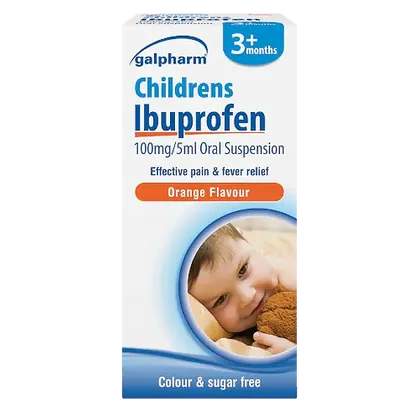
To help make them more comfortable focus on keeping them hydrated, and you can give them either paracetamol suspension (2 months+), or ibuprofen (3 months+) to help reduce the pain. Children over 6 can also use lozenges or anesthetic sprays to help manage the pain.
Always follow the dosage, age and weight restrictions before giving your child any medicine, if you need guidance speak to your pharmacist or GP.
See a GP or ring 111 if your child has a sore throat for more than 3 days, a high temperature (or feels hot, cold or shivery) and is generally unwell.
Go to A&E or call 999 immediately if they're unable to swallow fluids or saliva or have any difficulty breathing, as they'll need urgent treatment in hospital.
How can I tell if my child has a cold or the flu?
The flu is normally more severe than the common cold. Flu symptoms come on very quickly and can include:
A sudden high temperature
An aching body
Feeling tired or exhausted
A dry cough
A sore throat
A headache
Difficulty sleeping
Loss of appetite
Diarrhoea
Tummy pain
Feeling sick (nausea) and being sick (vomiting)
Pain in their ear
Sore eyes
Swollen glands
Appear less active.
A pharmacist can give treatment advice and recommend flu remedies.
If you are worried about your child's symptoms or they don't appear to be getting any better after 7 days ask for an urgent GP appointment or get help from NHS 111.
For more information about the flu, visit the NHS website.
When should I be concerned about my child's cold?
While most common colds will get better on their own within 7 - 10 days, seek medical advice if your child is under 3 months old, has a high fever, difficulty breathing, a persistent cough that doesn't improve, or if they appear unwell. Always trust your instincts as a parent and ring your GP surgery or dial 111 if you're worried.
If your child has any of the following:
Is going blue around the lips
Has pauses in their breathing (apnoeas) or has an irregular breathing pattern or starts grunting
A harsh breath noise as they breathe in (stridor) present all of the time (even when they are not upset)
Too breathless to feed (eat or drink) or talk/make noise
Becomes pale, mottled and feels abnormally cold to touch
Becomes extremely agitated (crying inconsolably despite distraction), confused or very lethargic (difficult to wake)
Develops a rash that does not disappear with pressure (the ‘Glass Test’)
Is under 3 months of age with a temperature of 38°C / 100.4°F or above (unless fever in the 48 hours following vaccinations and no other red or amber features)
Has a very bad cough or it quickly gets worse (e.g., hacking cough or cannot stop coughing)
Feels very unwell, has chest pain, or finds it hard to breathe
A harsh breath noise as they breathe in (stridor) present only when they are upset
Is becoming drowsy (excessively sleepy) or irritable (unable to settle them with toys, TV, food or picking up) – especially if they remain drowsy or irritable despite their fever coming down
Seems dehydrated (sunken eyes, drowsy or not had a wee or wet nappy for 12 hours)
Has extreme shivering or complains of muscle pain
Is 3-6 months of age with a temperature of 39°C / 102.2°F or above (but fever is common in babies up to 2 days after they receive vaccinations)
Continues to have a fever of 38.0°C or above for more than 5 days
Is getting worse or if you are worried
You need to contact a doctor or nurse today
Please ring your GP surgery or call NHS 111 – dial 111.
If your child:
Has had a cough for more than 3 weeks (persistent cough).
Is losing weight for no reason.
Has a weakened immune system due to conditions like chemotherapy or diabetes.