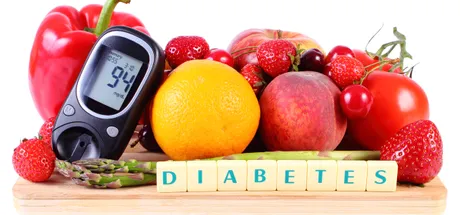
Diabetes is a condition that occurs when your body cannot properly process food for use as energy. It leads to high blood sugar levels which can result in serious health complications over time.
There are mainly two types of diabetes: Type 1 diabetes, which usually occurs in children and young adults, and Type 2 diabetes, which is more common and often develops in adults due to lifestyle factors.
Effective diabetes management includes regular monitoring of blood sugar levels, adhering to a balanced diet, engaging in regular physical activity, and taking medications or insulin as prescribed by your healthcare provider.
Common symptoms of diabetes include increased thirst, frequent urination, extreme fatigue, blurry vision, and slow-healing sores. If you experience any of these symptoms, consult a healthcare professional.
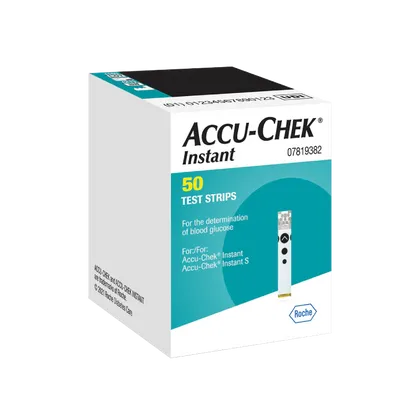
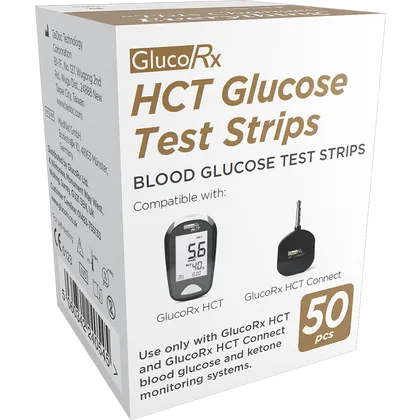
A sugar monitoring machine, or blood glucose monitor, is a device used to measure the concentration of glucose in your blood. By using a small lancet to prick your finger and applying blood to a test strip, you can receive a blood glucose reading on the device's display.
For a diabetic to gain weight and muscle, the focus should be on a surplus of calories from high-quality proteins and healthy fats rather than sugary carbohydrates. Resistance training is key for muscle growth, but it can affect blood sugar levels, so it is vital to monitor your glucose before and after exercise. Consider incorporating low-sugar Vitamins & Supplements to ensure your body has the micronutrients needed for recovery.
Non-diabetic hypoglycemia occurs when blood sugar drops too low in someone who does not have diabetes. While a single mild episode may just cause shakiness or sweating, frequent or severe drops can be dangerous as they may indicate an underlying medical issue, such as a hormonal imbalance or liver problem. If you experience regular symptoms of low blood sugar, you should consult your GP for a formal diagnosis.