Generic Vs. Original Drugs: Similarities & Key Differences Explained!
In this guide
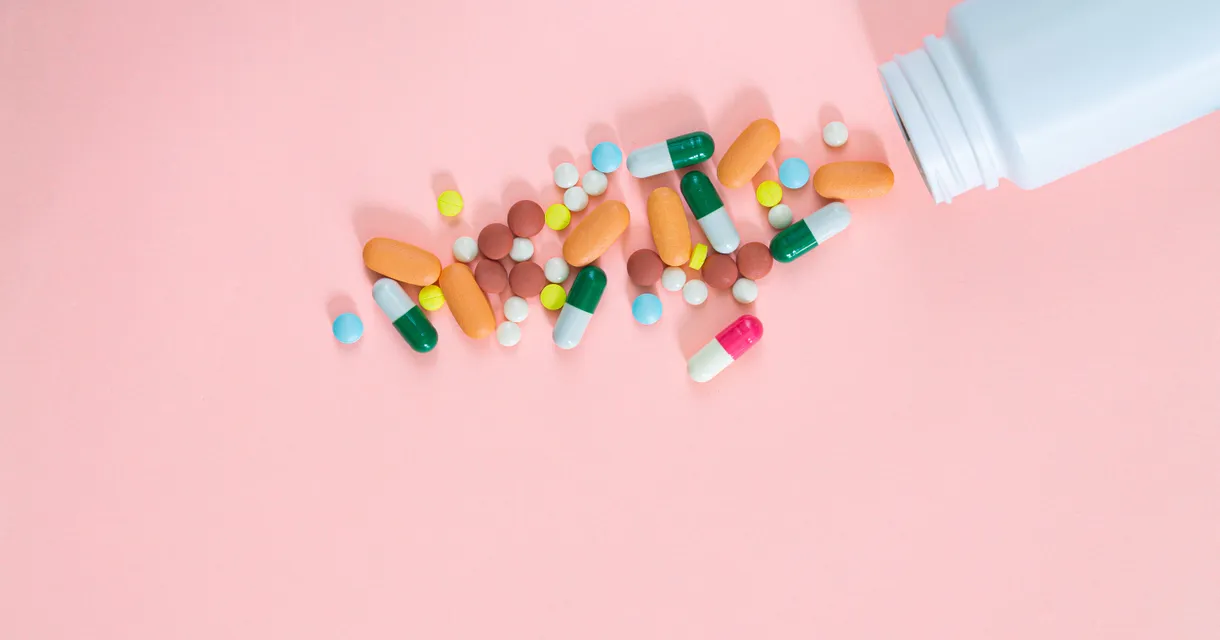
When you’re prescribed a medicine or browsing pharmacy shelves, you’ll often come across two options: a branded (original) drug/medicine and a generic version.
This usually causes confusion and leaves many people wondering:
- What are branded and generic drugs?
- How do they differ?
- Why do generic medicines cost less?
If these questions are on your mind too, keep reading and learn all you need to know about generic and branded medicines!
Branded Vs. Generic Medicines: A Quick Comparison Table
Short on time? This table summarises everything you need to know about generic vs. original medicines!
|
Feature/Property |
Branded/Original Drugs |
Generic Drugs |
|
Active ingredient |
Same active substance |
Same active substance |
|
Medical use |
Treat the same conditions |
Treat the same conditions |
|
Effectiveness |
Proven through clinical trials |
Must demonstrate bioequivalence |
|
Dosage form |
Tablet, capsule, liquid, cream, etc. |
Same dosage form as the branded medicine |
|
Safety & quality standards |
Strictly regulated by health authorities |
Subject to the same regulatory standards |
|
Time to work |
Works within an established timeframe |
Works within the same timeframe |
|
Inactive ingredients (excipients) |
Specific to the manufacturer |
May differ, but don’t affect efficacy for most people |
|
Appearance |
Consistent colour, shape, and branding |
May differ in colour, shape, or size |
|
Name |
Sold under a brand/trade name |
Named after the active ingredient |
|
Price |
Typically more expensive |
Significantly cheaper |
|
Availability |
Protected by patent for a set period |
Available only when patent expires |
|
When/Why differences matter |
Usually preferred for NTI drugs where precise dosing is critical |
Excipient differences may influence absorption |
What Is a Branded Drug?
Branded drugs (also known as brand-name drugs or original medicines) are the first (original) version of a medicine created by a pharmaceutical company.
Key Characteristics of a Branded Drug
- It’s the original version of the medicine.
- The drug has a patent (license) for a set period. This means that the pharmaceutical company that made it is the only one that can market it under a trade name (brand name). Licences (patents) in the UK are granted by the Medicines and Healthcare products Regulatory Agency (MHRA).
- The medicine was developed after years of research, testing, and clinical trials.
What Is a Generic Drug?
Generic medicines are versions of branded medicines that contain the same active ingredient and are intended to work in the same way.
Key Characteristics of a Generic Drug
- It has the same active ingredient, same strength and dosage as the branded medicine.
- It has the same route of administration (tablet, capsule, liquid, cream, etc.)
- It is bioequivalent, meaning it works exactly in the same way and offers the same medical benefits.
- It becomes available after the patent of the brand-name drug expires.
For example, Nurofen is the branded (original) medicine, while Ibuprofen is the generic drug (and the active ingredient of the medicine).
For a deeper understanding of their differences, read our Nurofen vs. Ibuprofen guide!
What Are the Similarities Between Generic and Original Medicines?
Despite common misconceptions, generic and brand medicines share many similarities:
1. They Have the Same Active Ingredient
Both generic and branded drugs contain the same active substance, which is responsible for the medicine’s therapeutic effect.
2. They Are Used for the Same Medical Conditions
They are both used to treat the same medical condition and are prescribed for the same clinical situations.
3. They Use the Same Route of Administration
Both generic and original medicines are taken or applied in the same way.
For example, if the branded drug must be taken orally or applied topically to the skin, the same goes for the generic drug.
4. They Have the Same Effectiveness (Bioequivalence)
Generic medicines must prove bioequivalence.
This means they’re required to deliver the same quantity of active ingredient into the bloodstream within the same timeframe.
This ensures comparable effectiveness.
5. They Are Subject to the Same Safety & Quality Requirements
Brand-name medicines typically go through many years of research, testing, and clinical trials before they’re approved for use.
Generic drugs are approved only if they meet the same strict standards for safety and quality.
What Are the Differences Between Generic and Original Drugs?
Despite their many similarities, generic and original medicines also have some differences. Here they are:
1. They Have a Different Price (Generics Are Cheaper)
Generic medicines are usually significantly cheaper (80% less on average) than branded drugs.
This is because generic manufacturers don’t need to repeat years of research and trials to prove effectiveness and safety, as this process has already been completed for the original medicine.
2. They Are Under a Different Name
Original medicines are sold under a brand or trade name chosen by the manufacturer. On the contrary, generic drugs go by the name of their active ingredient.
3. They May Look Different
Generic medicines may differ in their appearance, including colour, shape, size, or packaging.
Generic medicines may differ in their appearance, including colour, shape, size, or packaging. These visual differences are related to manufacturing choices and do not affect how the medicine works.
4. They May Contain Different Inactive Ingredients (Excipients)
Although generic and original medicines contain the same active ingredient, the inactive ingredients (such as fillers, coatings, or colourings) may differ.
For most people, these differences don’t affect how the medicine works, since the active substance is responsible for the therapeutic effect of the medicine.
When Do Different Excipients Matter?
In some cases, different excipients can play a role. This is especially important for medicines known as Narrow Therapeutic Index (NTI) drugs.
These are medicines where even small changes in the amount of active substance absorbed by the body can affect the treatment (either reducing effectiveness or increasing the risk of side effects).
That’s why doctors sometimes recommend sticking to a certain version of a branded drug, particularly for conditions that require very precise dosing, such as:
- Epilepsy
- Thyroid dysfunction
- Blood clots
- Heart conditions (e.g., coronary heart disease)
So, Are Generic Drugs as Good as the Original Ones?
Yes. Generic medicines approved for use are considered just as safe and effective as their branded equivalents, as they both contain the same active substance.
How to Identify Generic and Branded Medicines
You can usually tell by the:
- Drug name: Generic drugs are named after their active ingredient, while branded medicines use a trade or brand name.
- Appearance: Generics may differ in colour, shape, or size compared to the branded version.
- Packaging: Branded medicines often come in more recognisable packaging with consistent branding, colours, and logos. Generic medicines usually have simpler, standardised packaging.
- Cost: Generic medicines are usually a lot cheaper than their branded counterparts.
Branded Vs. Generic Drugs: Popular Examples
|
Branded Medicine |
Generic Medicine |
|
Nurofen (or Advil/Motrin) |
Ibuprofen |
|
Lipitor |
Atorvastatin |
|
Claritin |
Loratadine |
|
Valium |
Diazepam |
|
Panadol |
Paracetamol |
|
Prozac |
Fluoxetine |
|
Neurontin |
Gabapentin |
|
Seroquel |
Quetiapine |
|
Ventolin |
Salbutamol |
|
Crestor |
Rosuvastatin |
Original Vs. Generic Medicines — Bottom Line
Understanding the similarities and differences between generic and original medicines helps clear up common misconceptions that often lead to confusion or unnecessary concern.
Remember that, in the vast majority of cases, both generic and branded drugs are safe and effective when used correctly.
For more practical, trustworthy advice on everyday medication topics, explore also Weldricks’ guide on how to dispose of old/expired medication (ed. note: link to related article when published) and stay informed at every step of your healthcare journey!
FAQs
Are generic medicines of lower quality?
No. Generic drugs must meet the same quality and safety standards as branded ones to be accepted for use.
Do generic drugs take longer to work?
No, they are designed to work in exactly the same way and timeframe as branded medicines
Why do some people think generic drugs don’t work?
Some people think generics don’t work, mostly because they may look a bit different (in shape, size, or colour) or come in different packaging.
Why do generic drugs cost less?
Because generic manufacturers don’t need to spend money on research, testing, and clinical trials — all completed for the original/branded drug.
Published 6th February 2026 by

Allan Green
Registered Pharmacist & Head of E-commerce
Allan has been a Registered Pharmacist for 25+ years
He specializes in Ecommerce and Over the Counter medicines.
He is a Registered Pharmacist, who studied at University of Bradford.
He has been with Weldricks since 2006, starting as a branch manager before moving into area management and deputy superintendent roles.
His current responsibilities include web development, marketing, content, customer service and web operations teams.