Managing Pain: Choosing the Right Over the Counter Pain Relief for Your Needs
In this guide

Choosing the right painkiller when you’re in discomfort can be confusing, with so many options available how do you know which one is most effective for a headache, a sprain, or period pain?
This guide compares the most common over-the-counter (OTC) pain relief choices. We’ll explain how they work and what they treat best.
How Do Painkillers Work? A Simple Guide
The most popular OTC pain relief options work in different ways, which is why some are better suited to certain types of pain than others. Understanding the difference helps you choose the most effective treatment.
Simple Analgesics: These work centrally to help block the pain signals in your brain and are excellent for lowering a fever.
Example: Paracetamol
Key Action: Blocks the pain message, but does not treat inflammation (swelling).
NSAIDs (Non-Steroidal Anti-Inflammatory Drugs): This group of medicines acts directly at the site of the pain.
Examples: Ibuprofen, Aspirin, and Naproxen
Key Action: They are triple-action, working to reduce pain, inflammation (swelling and redness), and fever. This makes them highly effective for injuries and muscle aches.
The Essential Comparison: Your Choices for Pain Relief
Here is a straightforward comparison of the key OTC internal painkillers, including the proven amounts you can take to get relief.
| Painkiller | Type |
Primary Benefits & Uses |
| Paracetamol | Simple Analgesic | The most common choice. Excellent for general aches, pains (headache, toothache), and reducing high temperature. Best taken if you have a sensitive stomach. |
| Ibuprofen | NSAID | A highly effective all-rounder. Reduces pain, swelling, and fever. Ideal for muscle aches, strains, sprains, dental pain, and inflammatory conditions. |
| Aspirin | NSAID / Salicylate | Effective for headaches, migraines, and general aches. Provides anti-inflammatory benefits at higher doses. |
| Naproxen | NSAID | Offers longer-lasting relief than Ibuprofen, helping manage pain, stiffness, and inflammation. Often used for painful periods, joint pain, and back issues. |
| Co-codamol |
Compound Analgesic (Paracetamol + Codeine) |
A combination used for short-term relief of moderate pain (e.g., severe toothache) when simpler medicines have not worked. Only the lowest strength (8mg Codeine / 500mg Paracetamol) is sold without a prescription. |
Choosing the Right Relief for You
Matching the painkiller to the problem ensures the fastest and most effective relief.
For Headaches, Fever, and General Aches
If you have no swelling or inflammation, Paracetamol is often the first and gentlest option. It can be a good starting point for a tension headache or mild fever.
For Muscle Pain, Injuries, and Inflammation
If your pain involves swelling, redness, or comes from a physical issue like a strain, sprain, or dental pain, an NSAID is usually more effective.
Ibuprofen is highly popular for these issues and is easily accessible. For longer-lasting pain and stiffness, Naproxen can be a powerful choice.
For Period Pain
Many women find NSAIDs like Ibuprofen or Naproxen particularly helpful for period pain, as they tackle the prostaglandins (hormone-like substances) that cause cramping and inflammation.
For Short-term Severe Pain
If Paracetamol and Ibuprofen taken individually have failed to control your pain, low-strength Co-codamol may be considered. However, due to the codeine content, it must not be taken for more than three consecutive days. If your pain lasts longer than this, please speak to your GP or one of our pharmacists.
Beyond the Tablet: Topical and Combined Relief
Sometimes, the best approach is to target the pain right where it hurts.
Topical NSAIDs: Gels, creams, and patches containing ingredients like Voltarol (containing Diclofenac) or Ibuprofen can be applied directly to the site of a joint, back, or muscle ache. This targets the pain locally while reducing the risk of systemic side effects compared to taking a tablet.
Physical Aids: Don't forget simple, effective physical remedies like heat pads for muscle tension or cold packs for acute swelling and injury.
Safety and Practical Advice
Our priority is your safety. Always keep the following rules in mind:
Check the Label: Never take two different medicines that contain the same active ingredient. Many cold and flu remedies contain Paracetamol, so be extremely careful not to "double-dose" when also taking Paracetamol tablets.
Take with Food: Always take NSAIDs (Ibuprofen, Aspirin, Naproxen) with food. This protects your stomach lining and significantly reduces the risk of stomach irritation.
The 3-Day Rule: Do not take any OTC painkiller for more than three days unless directed by a doctor or pharmacist. Prolonged use, especially of painkillers containing codeine, can lead to medication-overuse headaches or dependence.
Under 16s: Aspirin should never be given to children under the age of 16 without a prescription from a doctor.
Published 27th October 2025 by

Allan Green
Registered Pharmacist & Head of E-commerce
Allan has been a Registered Pharmacist for 25+ years
He specializes in Ecommerce and Over the Counter medicines.
He is a Registered Pharmacist, who studied at University of Bradford.
He has been with Weldricks since 2006, starting as a branch manager before moving into area management and deputy superintendent roles.
His current responsibilities include web development, marketing, content, customer service and web operations teams.
Related Products
-
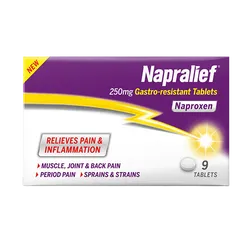
Napralief Tablets Pack of 9 £5.65 save £0.85
-
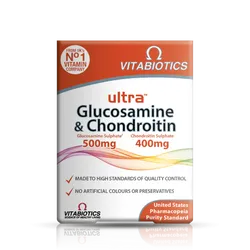
Vitabiotics Ultra Glucosamine & Chondroitin Tablets Pack of 60 £11.98 save £4.32
-
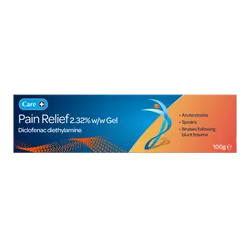
Care Pain Relief 2.32% Gel 100g £10.99 save £1.00
-
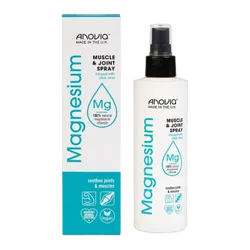
Anovia Magnesium Muscle & Joint Spray 200ml £2.89 save £0.10
-
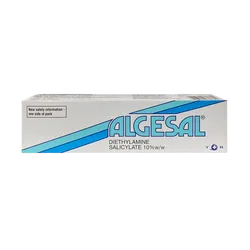
Algesal Cream 100g £5.39 -
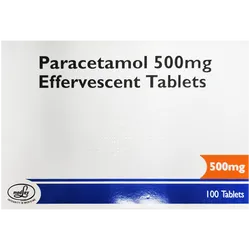
Paracetamol 500mg Effervescent Tablets Pack of 100 £14.48 -
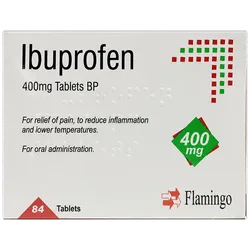
Ibuprofen Tablets 400mg Pack of 84 £2.89 -
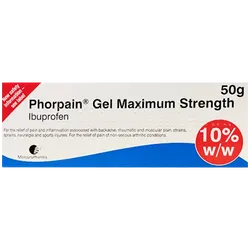
Phorpain Maximum Strength Ibuprofen 10% Gel 50g £4.49 -
Ralgex Heat Spray 100ml £7.49 save £0.80
-
Ralgex Double Action Heat Patch Pack of 4 £10.49 save £0.50
-
Strefen Direct Cherry & Mint Oromucosal Spray 15ml £4.99 save £3.00
-
Medisure Gel Bunion Cushions Pack of 2 £0.79 -
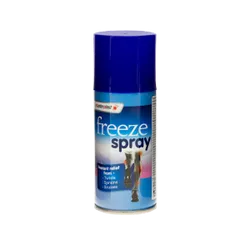
Masterplast Freeze Spray 150ml £1.89 -
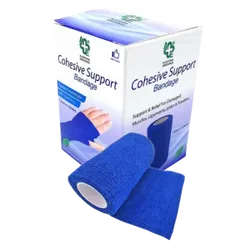
Cohesive Bandage Blue 7.5cm x 4.5m £1.19 -
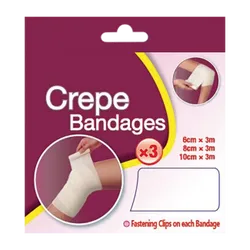
Crepe Bandages Pack of 3 £1.19 -
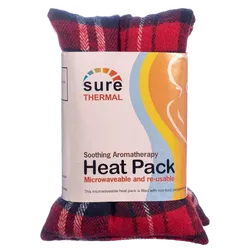
Sure Thermal Tartan Heat Pack £2.99