Pelvic Health for Mums: Simple Strengthening Tips
In this guide

We all know the dreadful feeling of suddenly needing the bathroom while having coffee with friends or shopping, and the embarrassment of leaking urine. For new mothers (and some experienced ones!), these bladder and bowel issues can be overwhelming. Help is available to regain freedom, maintain normal sexual function, and ensure optimal bowel and bladder health.
Why Pelvic Floor Health Matters
Progressive pelvic floor muscle training is recommended as a first-line treatment for incontinence (CG171 NICE Guideline 2016). Two-thirds of women with any type of incontinence who follow pelvic floor muscle training see improvements or a complete resolution of symptoms (National Institute of Research doi:10.33310/signal-000702). This is effective for urinary and faecal incontinence, constipation, pelvic organ prolapse, and sexual dysfunction.
Aoife Ni Eochaidh, founder of IPPM Home Pelvic Floor Routines, explains that hormonal changes during pregnancy and the post-natal period affect pelvic floor function. These changes can cause laxity in pelvic tissues, impact bladder and bowel muscles, and affect sexual function. Pelvic organ prolapse may also occur, where organs such as the bladder, rectum, or womb descend into the pelvic floor. Maintaining pelvic floor strength before, during, and after pregnancy is key to preventing these issues.
Understanding Your Pelvic Floor
The pelvic floor muscles are located in the area between your waist and the top of your legs, forming the base of the pelvic basin. These muscles support organs including the bladder, bowel, vaginal walls, and womb in women. They are essential for:
- Normal bladder and bowel filling, storing, and emptying
- Sexual function, including orgasm and climax
- Supporting pelvic organs to prevent prolapse
If these muscles are weak or dysfunctional, issues such as urinary or bowel leakage, pelvic organ prolapse, or sexual dysfunction may arise. Poor pelvic floor function can also affect overall well-being, energy levels, and ability to enjoy physical activity.
Exercising Your Pelvic Floor
Pelvic floor muscles need consistent training to reach a healthy functional range. A typical program lasts 3–6 months to develop strength, endurance, and automatic function. Training involves:
- Targeted exercises for different muscle fibers
- Progressive routines with regular practice
- Abdominal muscle training, especially post-natal, to address Diastasis Rectus Abdominal Muscle (DRAM)
Pelvic floor exercises are effective at any age, including during pregnancy (best from 20 weeks), post-natal recovery, and menopause. Early intervention is recommended if you experience bladder or bowel problems.
Home Pelvic Floor Training
Home Pelvic Routines are an online program that allows you to train your pelvic floor from the comfort of your home. Using any device (phone, tablet, or laptop), you can follow guided routines and track progress. These routines are designed to accommodate beginners and ensure correct exercise technique. Learn more or purchase the program at IPPM Home Pelvic Routines.
Expected Benefits and Timeline
Improvements may be noticeable in as little as one week, but full pelvic floor conditioning typically takes 3–6 months. Maintenance exercises are essential to sustain results.
Impact on Women, Mothers, and Sexual Health
Pelvic floor dysfunction can affect women’s sexual health, including pain, arousal, and ability to orgasm. Men also benefit from pelvic floor training, particularly for bladder, bowel, and erectile function. Strengthening these muscles supports a healthy, active, and confident lifestyle for all.
Summary
Training your pelvic floor is essential for mothers and anyone experiencing bladder or bowel issues. Start during pregnancy, post-natal recovery, or menopause to prevent and treat incontinence, prolapse, and sexual dysfunction. Regain confidence, reduce health risks, and enjoy a fun, active life without fear of leaks.
For further questions, contact Aoife at [email protected] or learn more at IPPM Home Pelvic Routines.
FAQs
What is the pelvic floor and why is it important?
The pelvic floor is a group of muscles at the base of your pelvis that support your bladder, bowel, and in women, the uterus. A strong pelvic floor helps prevent incontinence, supports sexual function, and reduces the risk of pelvic organ prolapse.
When should I start pelvic floor exercises?
You can start pelvic floor exercises before, during, or after pregnancy, and at any age. It’s particularly helpful for women post-natally or during menopause to maintain bladder, bowel, and pelvic health.
How often should I do pelvic floor exercises?
For best results, perform daily exercises targeting different muscle fibers. It typically takes 3–6 months to fully strengthen the pelvic floor, with maintenance exercises continued for life.
Can pelvic floor exercises help with sexual function?
Yes. A well-trained pelvic floor improves blood flow and muscle tone, which can enhance sexual sensation and help achieve orgasms more effectively.
What if I have bladder or bowel leaks despite exercising?
If symptoms persist, consult a healthcare professional or physiotherapist. They can recommend tailored exercises, lifestyle changes, or medical interventions to address your concerns.
Published 26th September 2022 by

Allan Green
Registered Pharmacist & Head of E-commerce
Allan has been a Registered Pharmacist for 25+ years
He specializes in Ecommerce and Over the Counter medicines.
He is a Registered Pharmacist, who studied at University of Bradford.
He has been with Weldricks since 2006, starting as a branch manager before moving into area management and deputy superintendent roles.
His current responsibilities include web development, marketing, content, customer service and web operations teams.
Related Products
-
Always Discreet Long Pads Pack of 10 £2.19 save £0.56
-
Always Discreet Liners Long Plus Pack of 20 £1.98 save £0.27
-
Always Discreet Long Pads Pack of 20 £4.79 save £0.10
-
Always Discreet Long Plus Pads Pack of 8 £2.49 save £0.26
-
Always Discreet Normal Pads Pack of 12 £2.65 save £0.10
-
Always Discreet Pants Plus Medium Pack of 9 £7.98 save £1.02
-
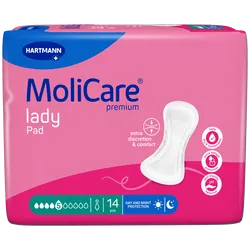
MoliCare Premium Lady Pads Pack of 14 £4.49 save £1.00
-
Pregnacare Original Tablets Pack of 30 £4.29 save £2.26
-
Clearblue Advanced Digital Ovulation Test Pack of 30 £49.48 save £5.51