Period Care 101: Cycle Stages, Symptoms & Relief Tips
In this guide
The Menstrual Cycle Stages
The menstrual cycle is the time from the first day of your period to the day before your next period. Most cycles last around 28 days, but anywhere from 21 to 40 days is normal.
Stage 1: Menstruation
This is the bleeding phase, where the womb sheds its lining. Menstrual fluid contains blood cells from the uterine lining (endometrial cells) and mucus. Periods usually last between 3 days and 1 week. Sanitary products should be changed approximately every 4 hours. Explore our sanitary pads and tampons.
Stage 2: Follicular Phase
The follicle-stimulating hormone (FSH) prompts the ovaries to produce 5–20 follicles, each containing an immature egg. Usually only one matures while the others die. The uterine lining thickens in preparation for a potential pregnancy.
Stage 3: Ovulation
Ovulation occurs when a mature egg is released. Progesterone prepares the womb for implantation. If pregnancy does not occur, the egg is reabsorbed, hormone levels fall, and menstruation begins. Ovulation typically lasts 10–16 days before the next period. Hormonal contraception such as the pill, patch, or injection prevents ovulation and reduces the risk of pregnancy.
Stage 4: Luteal Phase
The follicle transforms into the corpus luteum, releasing progesterone and small amounts of estrogen to maintain the uterine lining. If pregnancy occurs, hormones like HCG maintain the corpus luteum. If not, it degenerates around day 22 of a 28-day cycle, triggering menstruation. Find pregnancy and ovulation tests here.
Why Might Periods Stop?
Periods can stop due to several factors, including:
- Pregnancy
- Stress
- Sudden weight loss
- Being overweight
- Excessive exercise
- Use of the contraceptive pill
- Menopause
- Polycystic ovary syndrome (PCOS)
Period Symptoms
Premenstrual syndrome (PMS) occurs due to hormonal changes before your period. Period pain happens when the muscular wall of the womb contracts to shed the lining. Pain typically starts with bleeding, lasts 48–72 hours, and is worst during heavy flow. Common PMS symptoms include:
- Mood changes (irritability, anxiety, sadness)
- Bloating
- Breakouts
- Breast tenderness
- Fatigue
- Mood swings
- Period pain from other factors
Period pain can also be caused by medical conditions or contraceptive devices like IUDs. Changes in pattern, severity, or duration may indicate a medical issue.
Period Pain Management
To relieve pain, try our period pain relief products including tablets and heat patches, or take paracetamol.
Additional Strategies
- Exercise: Gentle activity like walking or swimming may reduce pain.
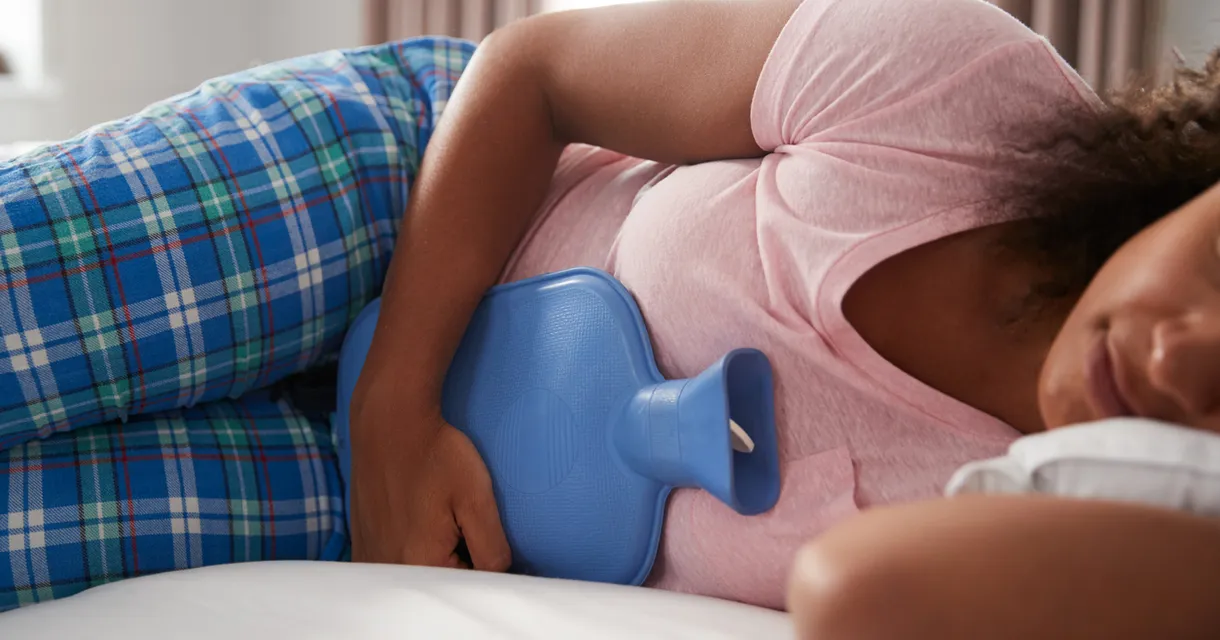
- Heat: Apply a heat pad or hot water bottle to the abdomen.
- Warm Bath/Shower: Relaxes muscles and eases discomfort.
- Massage: Light circular massage on the lower abdomen.
- Relaxation Techniques: Yoga, pilates, or mindfulness may distract from pain.
Consult your GP if period pain is severe or if your cycle changes significantly. Visit your local Weldricks pharmacy for advice and to explore products to ease your symptoms.
Sources
FAQs
What causes period pain?
Period pain occurs when the muscular wall of the uterus contracts to shed its lining. It is influenced by hormones and can be more intense during heavy bleeding or with certain medical conditions like endometriosis.
How can I relieve period pain?
You can manage period pain with over-the-counter products like paracetamol, ibuprofen, heat pads, or menstrual relief patches. Gentle exercise, warm baths, and relaxation techniques like yoga can also help.
What is PMS and what are its symptoms?
PMS (Premenstrual Syndrome) is a combination of physical and emotional symptoms caused by hormonal changes before your period. Common symptoms include bloating, mood swings, breast tenderness, fatigue, and acne.
Can I prevent period pain naturally?
While you may not completely prevent period pain, lifestyle choices like regular exercise, a balanced diet, staying hydrated, and using heat therapy can help reduce discomfort.
When should I see a doctor about period pain?
Consult your GP if your period pain is severe, lasts longer than usual, or your menstrual cycle changes significantly. Also seek advice if pain interferes with daily activities or if you notice unusual symptoms.
Can lifestyle changes reduce period pain?
Yes. Exercise, a balanced diet, staying hydrated, heat therapy, and relaxation techniques can help.
Published 2nd February 2021 by

Allan Green
Registered Pharmacist & Head of E-commerce
Allan has been a Registered Pharmacist for 25+ years
He specializes in Ecommerce and Over the Counter medicines.
He is a Registered Pharmacist, who studied at University of Bradford.
He has been with Weldricks since 2006, starting as a branch manager before moving into area management and deputy superintendent roles.
His current responsibilities include web development, marketing, content, customer service and web operations teams.
Related Products
-
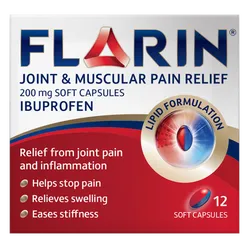
Flarin Joint & Muscular Pain Relief Soft Capsules Pack of 12 £4.79 save £0.92
-
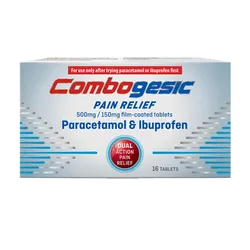
Combogesic Tablets Pack of 16 £4.18 save £0.27
-
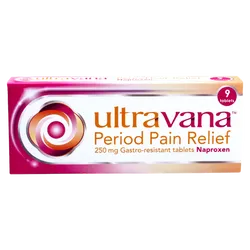
Ultravana Period Pain Relief Tablets Pack of 9 £4.99 save £1.46
-
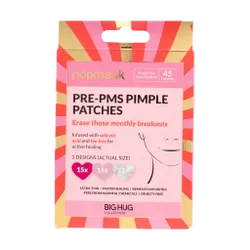
Popmask Big Hug Pre-PMS Pimple Patches Pack of 45 £7.00 save £2.99
-
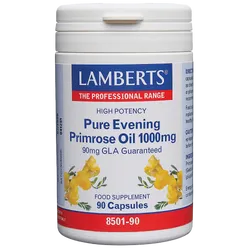
Lamberts Evening Primrose Oil Capsules 1000mg Pack of 90 £15.98 save £6.52
-
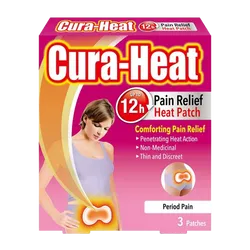
Cura-Heat Period Pain Relief Patches Pack of 3 £3.39 save £1.10
-
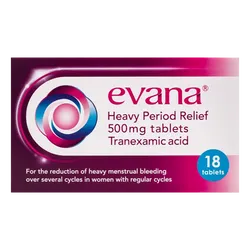
Evana Heavy Period Relief Tablets Pack of 18 £12.29 save £2.66
-
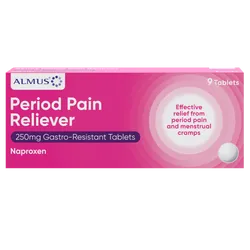
Almus Period Pain Reliever 250mg Tablets Pack of 9 £4.99 save £0.50
-
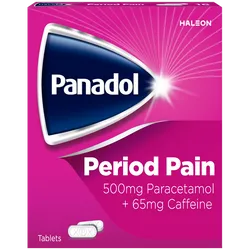
Panadol Period Pain Tablets Pack of 16 £3.69 -
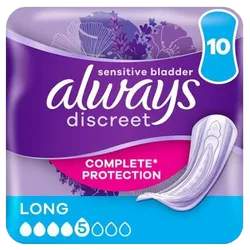
Always Discreet Long Pads Pack of 10 £2.29 save £0.46
-
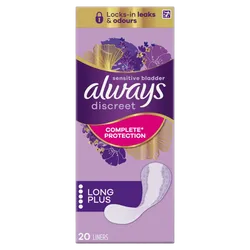
Always Discreet Liners Long Plus Pack of 20 £1.98 save £0.27
-
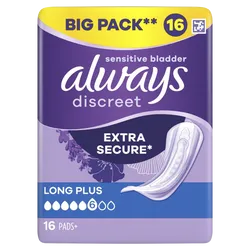
Always Discreet Long Plus Pads Pack of 16 £4.79 save £0.10
-
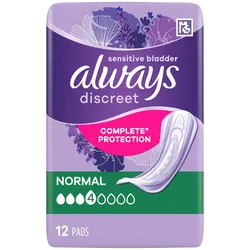
Always Discreet Normal Pads Pack of 12 £2.65 save £0.10
-
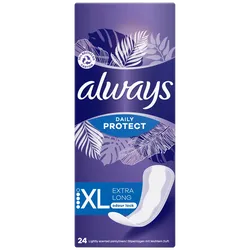
Always Daily Protect Extra Long Liners Pack of 24 £2.20 -
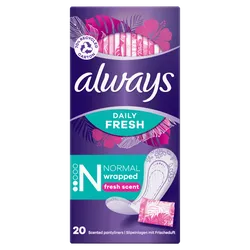
Always Daily Fresh Normal Wrapped Panty Liners Fresh Scent Pack of 20 £1.15 save £0.14
-
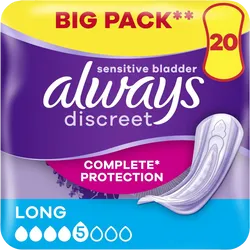
Always Discreet Long Pads Pack of 20 £4.79 save £0.10
-
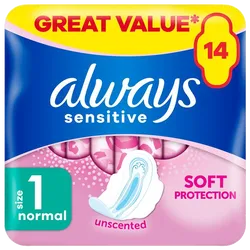
Always Sensitive Normal Ultra with Wings Pack of 14 £1.29 save £0.31
-
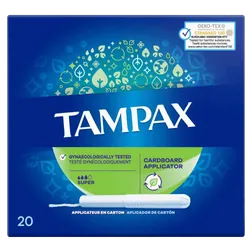
Tampax Super Tampons Pack of 20 £2.25 save £0.24
-
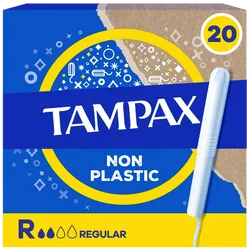
Tampax Regular Tampons Pack of 20 £2.59 -
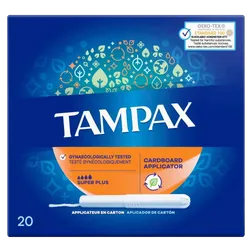
Tampax Super Plus Tampons Pack of 20 £2.65 -
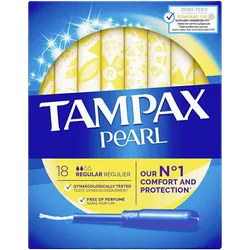
Tampax Pearl Regular Tampons Pack of 18 £3.09 save £0.31
-
Wellwoman Original Capsules Pack of 30 £5.98 save £2.57
-
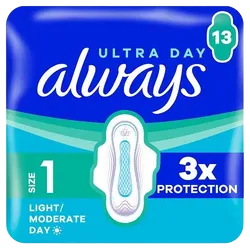
Always Ultra Normal Size 1 Pads Pack of 13 £1.98 save £0.27
-
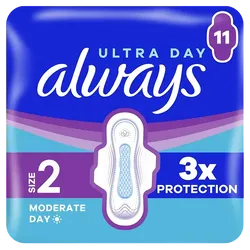
Always Ultra Moderate Size 2 Pads Pack of 11 £1.98 save £0.27
-
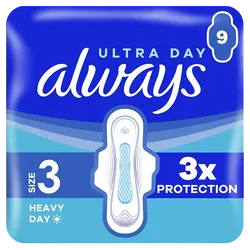
Always Ultra Heavy Size 3 Pads Pack of 9 £1.98 save £0.27
-
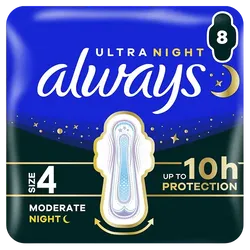
Always Ultra Night Moderate Size 4 Pads Pack of 8 £2.25 -
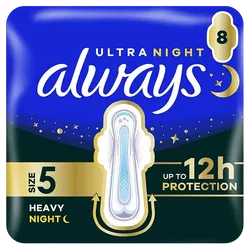
Always Ultra Night Heavy Size 5 Pads Pack of 8 £2.35 -
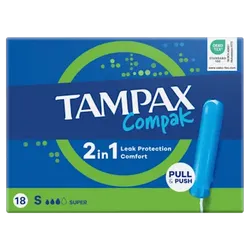
Tampax Compak Super Applicator Tampons Pack of 18 £2.79 save £0.46
-
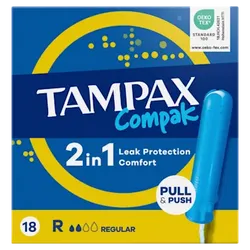
Tampax Compak Regular Applicator Tampons Pack of 18 £3.25 -
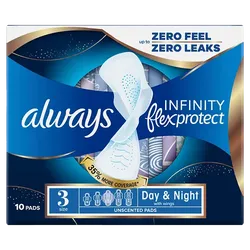
Always Infinity FlexProtect Night Size 3 Pack of 10 Pads £3.29 save £0.11
-
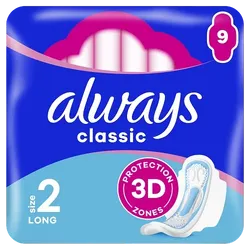
Always Maxi Classic Long Size 2 Pads Pack of 9 £0.99 -
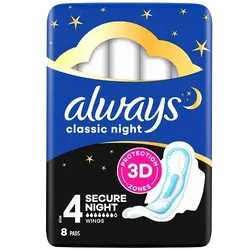
Always Maxi Classic Night Size 4 Pads Pack of 8 £0.99 -
Feminine Intimate Hygiene Wipes Pack of 20 £0.95