Do Pets Need Prescriptions? [Full Q&A about Pet Meds]
In this guide
![Do Pets Need Prescriptions? [Full Q&A about Pet Meds]](https://d2i5j94z9qxt5a.cloudfront.net/eyJidWNrZXQiOiJ3ZWxkcmlja3MtY2RuIiwia2V5IjoiZ3VpZGVzLzQ5Ny9LaFNtcEdpQjZ3c2VJTGRJdlhKb21HdGt4OWFHVTlETmZtN1BiSG1SLmpwZyIsImVkaXRzIjp7InJlc2l6ZSI6eyJ3aWR0aCI6MTIyMCwiaGVpZ2h0Ijo2NDAsImZpdCI6ImNvdmVyIiwiYmFja2dyb3VuZCI6eyJyIjoyNTUsImciOjI1NSwiYiI6MjU1LCJhbHBoYSI6MH19LCJ3ZWJwIjp7InF1YWxpdHkiOjgwfX19)
When it comes to caring for your pet’s health, understanding all about pet meds and prescriptions is crucial for you to make safer, more informed decisions.
From why your vet issues a prescription to whether pets can take human medicines, here’s everything you need to know in one complete Q&A guide!
General Pet Prescription Questions
1. Why Do Pets Need Prescriptions?
Pets need prescriptions to ensure they receive the right medication, at the right dose, for the right condition.
When your vet gives you a prescription for your pet, it means they have decided the prescribed medication is necessary to treat your pet’s medical condition.
2. Can I Buy Pet Meds Without a Vet Prescription?
Some pet medications (such as flea and worm treatments or basic supplements) are available over the counter.
However, Prescription Only Medicines – Veterinary (POM-V) can only be supplied with a vet’s approval. These are often used for treating conditions requiring close monitoring and can be prescribed after the vet has examined your pet.
Buying unlicensed or imported products online can be risky, as they may be counterfeit or dangerous for your pet.
Learn how to avoid fake pet medication by reading our useful guide!
3. What Types of Pet Medicines Require a Prescription?
Prescription-only pet medicines are those that could cause harm if misused or that treat complex health conditions. Examples include:
- Antibiotics and anti-infectives (penicillin, enrofloxacin, etc.)
- Pain relief and anti-inflammatory drugs (meloxicam, carprofen)
- Seizure control medication (see our guide on epilepsy in cats and dogs)
- Behavioural or anxiety medicines
- Chronic condition medication (for heart failure, diabetes, thyroid disorders, etc.)
- Prescription tick, worm, and flea products (see here how to protect your pet from fleas)
4. Can Pets Take Human Medicine?
No, pets should generally not take human medicine unless explicitly prescribed by a vet.
Some medicines are the same for humans and pets. However, in many cases, even small doses of human medications (e.g., painkillers such as paracetamol or ibuprofen) can be highly toxic to pets.
Never give your pet human meds without explicit veterinary direction.
5. Why Are Pet Prescriptions So Expensive?
Key reasons affecting the cost of pet prescriptions include:
- Pet meds are produced in smaller quantities than human drugs.
- They undergo specialised testing for animal use.
- Many pet insurance policies don’t cover routine medications.
- Vets include consultation, diagnosis, and follow-up costs.
To save money, you can ask your vet for a written prescription and then buy the medication from a registered UK pet pharmacy.
6. Can a Vet Refuse to Give Me a Prescription?
Vets can’t refuse to give you a prescription if you request one, provided the animal is under their care and has been clinically assessed.
7. What Information Should Be on a Pet Prescription?
A valid veterinary prescription should include:
- Veterinarian details (name, address, phone number, signature)
- Client/pet information (name of pet owner, pet’s name and species)
- Medication specifics (med name, strength, dosage, quantity)
- Safety information (necessary warnings, such as “for animal treatment only”)
- Date of issue and validity period
8. Can I Use a Pet Prescription at Any Pharmacy?
Yes, most licensed pharmacies can fill a veterinary prescription if they are registered with the Veterinary Medicines Directorate (VMD).
However, always ensure the pharmacy is reputable and compliant with UK regulations.
Dog Prescription & Medication Questions
9. What Are the Most Common Diseases or Health Problems in Dogs?
- Skin infections and allergies (by the way, discover everything about common dog skin allergies)
- Ear infections (find here ear drops for your dog)
- Arthritis and joint pain
- Dental problems
- Diabetes
- Hypothyroidism
- Parasitic infestations
- Kennel cough
- Vomiting or diarrhoea
- Obesity
10. Why Do Dogs Need Heartworm Medication?
Heartworm (Dirofilaria immitis) is a serious, potentially fatal parasitic disease caused by worms that usually live in the heart or lungs.
Heartworm medication is necessary for the following reasons:
- Dirofilaria immitis can be fatal if left untreated.
- Medication prevents permanent damage.
- The risk of infection is high, as mosquitoes can easily enter homes and transmit the disease.
11. Do Dogs Really Need Flea & Tick Medicine in Winter?
Yes, dogs generally need flea and tick medicine in winter. While extreme cold can kill parasites, many of them can survive in indoor environments (especially fleas, which thrive in warm conditions).
That’s why regular and year-round treatment is necessary to avoid infection and allergic reactions.
Read also: Protect Your Dog from Ticks – Prevention & Tips That Work.
12. Can I Give My Dog Cat Medicine?
No, you shouldn’t give your dog cat medicine. Some antibiotics may be shared between dogs and cats, but dosages differ significantly, while many cat-specific products can be ineffective or even harmful to dogs.
13. Why Do Dogs Hate Pills? And How Can I Help?
Many dogs refuse to take pills due to:
- Bitter taste or smell
- Fear due to previous bad experiences (e.g., gagging)
- Texture
- Difficulty swallowing (for large pills)
To help your dog take pills:
- Hide them in smelly food or food they can’t resist (peanut butter, cream cheese, etc.).
- Use pill pockets.
- Use the “double treat” method. Give your dog a treat without a pill, then give them a treat with the pill.
Always confirm whether a medicine can be taken with food before disguising it.
Explore our extensive range of trusted dog medicine and keep your dog healthy and happy!
-
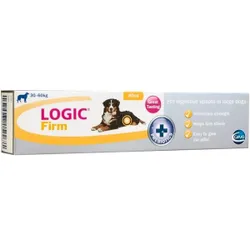
Logic Firm Large Dog 30kg+ Paste 60ml £17.98 -
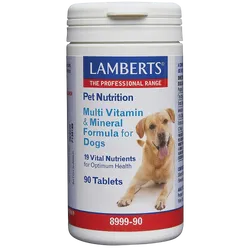
Lamberts Pet Nutrition Multi Vitamin & Mineral for Dogs Tablets Pack of 90 £8.00 save £1.95
-
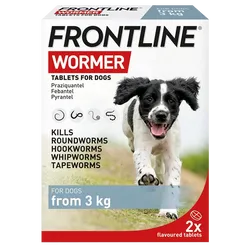
Frontline Wormer Flavoured Tablets For Dogs Pack of 2 £6.79 save £1.46
-
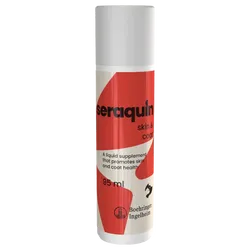
Seraquin Skin & Coat Liquid Supplement for Dogs & Cats Pump Dispenser 95ml £15.98 -
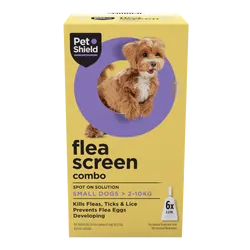
Pet Shield Flea Screen Combo Spot-On Flea & Tick Treatment for Small Dogs 2 - 10 kg Pack of 6 £16.98
Cat Prescription & Medication Questions
14. What Are the Most Common Health Problems in Cats?
- Obesity
- Dental disease
- Lower Urinary Tract Disease (FLUTD)
- Chronic kidney disease
- Upper Respiratory Infections (URI)
- Vomiting or diarrhoea
- Hyperthyroidism
- Arthritis
- Parasite infections (fleas, ticks, worms)
- Diabetes mellitus
15. Can Cats Take Dog Medicine?
No. Many dog medicines (especially flea and worm treatments) can be toxic to cats. Always use species-specific products recommended by your vet.
16. Why Do Some Cats Need Long-Term Medication?
Chronic conditions such as epilepsy, thyroid issues, or kidney disease often require ongoing treatment.
17. How Can I Make It Easier to Give My Cat Medicine?
Try these strategies:
- Hide in food.
- Wrap your cat gently in a towel to keep them calm.
- Use liquid medication if possible. It’s easier to administer.
- Use a pill popper or pill gun.
- Reward your cat immediately after they take the medication.
Always ask your vet if the medicine can be mixed with food.
18. What Happens If My Cat Reacts Badly to a Medicine?
Stop giving the medication immediately and contact your vet. Signs of a reaction include vomiting, breathing problems, or unusual behaviour.
Remember the product name and batch number. This will help your vet report it to the VMD for investigation.
19. Can My Cat Be Hiding Pain?
Yes. Here are some signs your cat’s hiding pain you should watch for:
- Changes in grooming
- Reduced activity
- Vocalisations
- Hiding
- Altered appetite
- Changes in posture or movement
- Behavioural changes
Browse all our essential cat medications and look after your feline friend the proper way!
-
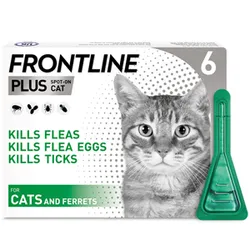
Frontline Plus Spot On Cat Pipettes Pack of 6 £31.99 save £12.10
-
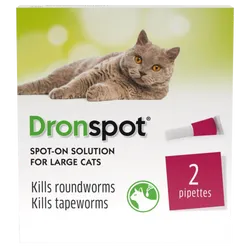
Drontal Dronspot Spot-On Solution for Large Cats Pack of 2 £19.98 -
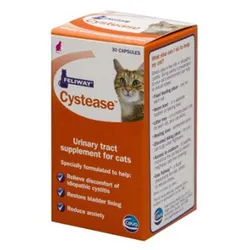
Feliway Cystease Capsules Pack of 30 £11.99 -
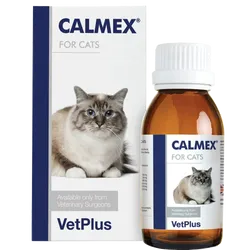
Calmex Cat Liquid 60ml £22.79 -
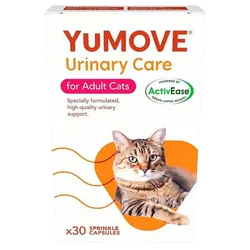
YuMOVE Urinary Care for Cats Capsules Pack of 30 £11.98 -
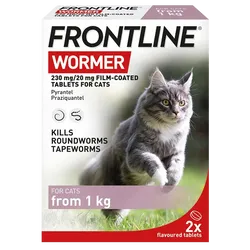
Frontline Wormer Flavoured Tablets For Cats Pack of 2 £5.99 save £1.76
Other Common Pet Prescription Questions
20. Why Do Some Pet Foods Require a Prescription?
Prescription pet foods (therapeutic diets) are formulated to treat certain health conditions, such as kidney disease, allergies, diabetes, urinary stones, obesity, etc.
These diets should only be given under vet supervision, as they contain precisely adjusted nutrient levels, which may cause harm if fed to a healthy pet.
21. Can Pets Have Side Effects from Medications?
Yes. Just like humans, pets can experience side effects from medications. Even when given the correct dose, every animal may react differently.
Common Signs of Medication Side Effects in Pets
- Vomiting or diarrhoea
- Redness
- Swelling
- Excessive drooling
- Seizures
- Loss of appetite
- Weakness or inability to stand
- Hives
- Increased thirst or urination
- Itching or rash
What to Do If You Suspect a Reaction
- Stop the medication immediately.
- Contact your vet for advice.
- Monitor your pet’s symptoms closely.
22. Where Can I Get Trusted Pet Medications?
From your veterinarian and accredited online pharmacies such as Weldricks Pharmacy!
Whether you’re looking for flea and tick prevention, worming tablets, or prescription-strength pet medicine, Weldricks ensures quality, authenticity, and expert guidance for every product.
Discover all our trusted pet medicines for your furry friend!
Published 10th March 2026 by

Allan Green
Registered Pharmacist & Head of E-commerce
Allan has been a Registered Pharmacist for 25+ years
He specializes in Ecommerce and Over the Counter medicines.
He is a Registered Pharmacist, who studied at University of Bradford.
He has been with Weldricks since 2006, starting as a branch manager before moving into area management and deputy superintendent roles.
His current responsibilities include web development, marketing, content, customer service and web operations teams.
Related Products
-
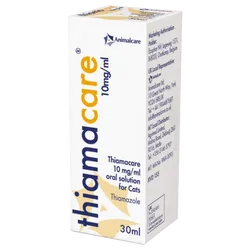
Thiamacare 10mg/ml Oral Solution for Cats 30ml £21.88 -
Lenivia 0.5 mg Solution for Injection for Dogs (2x 1ml vial) £0.00 -
Lenivia 1.5 mg Solution for Injection for Dogs (2x 1ml vial) £0.00 -
Lenivia 1 mg Solution for Injection for Dogs (2x 1ml vial) £0.00 -
Lenivia 2 mg Solution for Injection for Dogs (2x 1ml vial) £0.00 -
Lenivia 3 mg Solution for Injection for Dogs (2x 1ml vial) £0.00 -
Glandease Chews for Cats & Dogs Pack of 30 £17.99 -
Glandease Powder for Cats & Dogs 84g £19.29 -
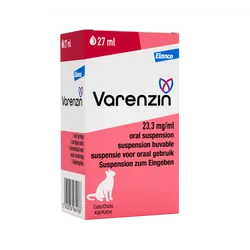
Varenzin 25mg/ml Oral Suspension for Cats 27ml £31.79 -
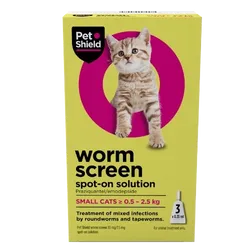
Pet Shield Worm Screen Spot-on Solution for Small Cats ≥ 0.5 - 2.5kg Pack of 3 £8.98 -
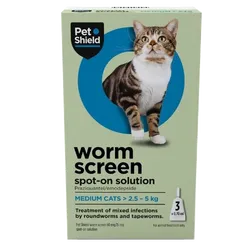
Pet Shield Worm Screen Spot-on Solution for Medium Cats > 2.5 - 5kg Pack of 3 £8.98