Why Does My Skin Break Out When I Travel? Common Triggers & Solutions
In this guide
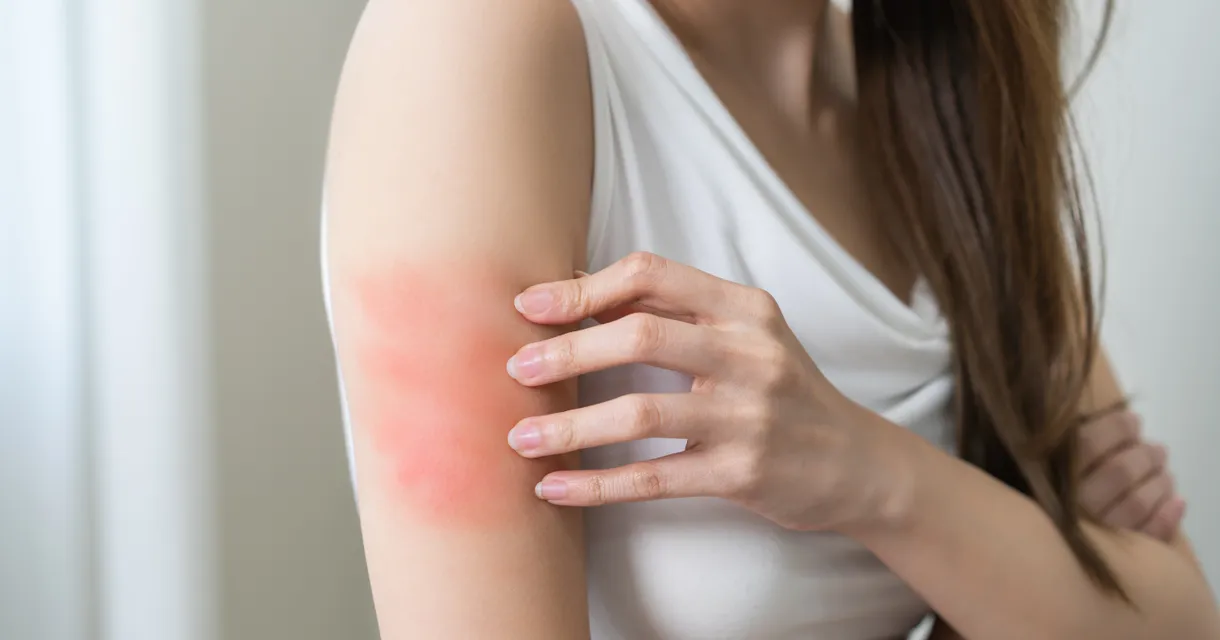
Does your skin seem to behave perfectly at home, only for spots, redness or itching to appear as soon as you go away? Travel skin flare-ups can happen when climate changes, routine, stress and the products your skin encounters disrupt its usual balance.
From aeroplane acne to eczema flare-ups, understanding what is triggering your skin can help you adapt your routine without overloading it with new products.
Quick Overview
- Travel skin flare-ups can include acne, dryness, irritation, eczema, heat rash and contact dermatitis, so not every holiday breakout is acne.
- Common triggers include flying, climate changes, heat, humidity, sweat, stress, disrupted sleep and changes to your usual skincare or diet.
- Keeping your usual skincare routine consistent and travelling with familiar products can help reduce unnecessary irritation.
- In hot or humid conditions, gentle cleansing after heavy sweating and non-comedogenic products may help if your skin is prone to breakouts.
- Sunscreen remains essential, including for acne-prone skin; choose a suitable broad-spectrum SPF and reapply regularly.
What Types of Skin Flare-Ups Can Happen When Travelling?
Not every holiday breakout is acne. Changes in your environment and routine can affect your skin in different ways, potentially causing:
- Acne: Blackheads, whiteheads, papules, pustules or, in more severe cases, nodules and cysts.
- Dryness and irritation: Skin may feel tight, rough, flaky or sensitive.
- Eczema flare-ups: Existing eczema can become drier, itchier or more inflamed.
- Heat rash: Small, itchy or prickly spots can develop when sweat becomes trapped in the skin.
- Contact dermatitis: New toiletries, fragrances, detergents or other substances may irritate the skin or trigger an allergic reaction.
What Causes Skin Flare-Ups While Travelling?
There usually isn't one single culprit. Instead, travelling can expose your skin to several changes simultaneously. Here are some of the most common reasons for holiday skin flare-ups and what you can do about each one:
1. Flying & Dry Cabin Environments
Ever wondered why you break out after flying? Air travel and changes in climate can leave your skin feeling noticeably drier. Dry, irritated skin may be more vulnerable to discomfort, while a disrupted skincare routine during a long journey can add to the problem.
Touching your face repeatedly during a flight or wearing make-up for a long journey may also be unhelpful if you are already acne-prone.
What helps
- Apply a suitable moisturiser before or during a long journey if your skin feels dry.
- Avoid introducing several unfamiliar products on the plane.
- Keep your hands away from your face where possible.
- Remove make-up before sleeping, including on overnight journeys.
- Continue your usual skincare routine when practical.
2. Hot Weather, Humidity & Sweat
A hot holiday can mean more sweating and oil on the skin. Sweat itself is not simply a cause of acne, but the combination of sweat, oil, friction and occlusive products can create conditions that make breakouts more likely in acne-prone areas.
The face is not the only place affected: spots can also develop on the back, chest and shoulders.
What helps
- Wash your face gently after heavy sweating.
- Pat or blot sweat rather than aggressively rubbing your skin.
- Change out of sweaty clothes when possible.
- Look for products labelled “non-comedogenic”, “oil-free” or “won't clog pores”.
- Avoid repeatedly scrubbing or washing your face, as this can irritate your skin.
Already struggling with clogged pores? Explore these practical tips for getting rid of blackheads.
3. Changes in Diet
Holidays often come with changes to your usual eating habits, from more restaurant meals and snacks to sugary foods and drinks.
Diet may influence acne in some people, although the relationship is complex and food is not a universal trigger.
What helps
- Try to maintain a healthy, balanced diet rather than dramatically changing how you normally eat.
- Include plenty of fruit, vegetables, wholegrains and other nutrient-rich foods.
- Limit excessive amounts of sugary drinks, sweets and highly refined foods.
- If you notice that a particular food consistently coincides with flare-ups, consider keeping a food and skin diary to help identify patterns.
- Avoid unnecessarily cutting out entire food groups based on a single breakout.
4. Changes to Your Usual Skincare Routine
Packing light sometimes means leaving trusted products at home and relying on whatever is available at your hotel.
However, switching cleansers, moisturisers and other skincare products all at once can irritate sensitive skin or expose it to ingredients it does not tolerate well.
Fragranced hotel toiletries, in particular, may be irritating for some people with sensitive skin. Dermatologists therefore recommend taking familiar skincare products when travelling and trying to maintain the same basic skincare routine you follow at home.
What helps
Build a simple travel skincare kit containing:
- Your usual gentle cleanser
- A familiar moisturiser
- Broad-spectrum sunscreen
- Your usual acne or eczema treatment, if applicable
- Lip balm
- Any prescribed skin medicines you regularly use
5. Stress & Disrupted Sleep
Travel is supposed to be relaxing, but getting there isn't always. Packing, airports, delays, unfamiliar surroundings and disrupted sleep can all increase stress.
For people who are acne-prone, stress can worsen existing acne. Stress-related hormonal responses can increase oil production, potentially contributing to clogged pores and an acne flare. Stress may also aggravate conditions including eczema.
What helps
You cannot eliminate every stressful part of travelling, but you can make your routine more predictable:
- Allow enough time for journeys and connections.
- Prioritise sleep where possible.
- Maintain regular meals and hydration.
- Include relaxing activities rather than overfilling your itinerary.
- Continue your normal skincare routine rather than responding to a flare-up by suddenly adding several new treatments.
6. Sun Exposure & Sunscreen
Sunscreen remains essential, even if you have acne-prone skin. While some heavier or oily formulations may not suit skin that is prone to breakouts, avoiding sunscreen altogether leaves your skin unprotected from UV radiation.
Sun exposure is not a treatment for acne, and some acne medicines can make your skin more sensitive to sunlight.
What helps
- Choose a broad-spectrum sunscreen with at least SPF 30.
- If you are prone to breakouts, look for products labelled non-comedogenic or suitable for acne-prone skin.
- Opt for a lighter formulation if heavier products tend to feel uncomfortable or greasy on your skin.
- Reapply sunscreen regularly, particularly after swimming, sweating or towelling.
Not sure whether you're applying enough? Find out how much sunscreen to use on your face before your next trip!
How to Manage Skin Flare-Ups While Travelling
If your skin starts to flare up while you’re away, the right approach depends on what is causing your symptoms.
Acne, dryness, eczema and irritation do not necessarily respond to the same treatments, so avoid immediately adding several new products to your routine.
As a general rule:
- Keep your skincare routine simple and stick to familiar products where possible.
- Cleanse gently and avoid excessive washing or scrubbing.
- Continue moisturising, choosing a product suited to your skin type.
- Avoid picking, squeezing or scratching affected areas, as this can worsen irritation and, in acne, increase the risk of scarring. By the way, browse our effective scar treatment creams to help improve the appearance of existing scars and support smoother-looking skin.
- Use treatments appropriate for the condition. For example, acne and eczema require different approaches.
- Protect your skin from the sun with a suitable broad-spectrum sunscreen.
- Seek professional advice if the flare-up is severe, painful, persistent, or you are unsure what is causing it.
Travel Skin Flare-Ups — Summary
Travel can expose your skin to climate changes, stress, sweat and disrupted routines, potentially triggering spots or irritation. Keeping your skincare simple and consistent can help minimise flare-ups.
Wherever you're heading next, explore Weldricks' range of trusted skincare products to keep your everyday skincare essentials close at hand while travelling!
FAQs
Why does my skin get hot and itchy when I travel to cold weather?
Cold outdoor air combined with dry indoor heating can reduce moisture in the skin and aggravate sensitive or eczema-prone skin. This may lead to dryness, itching and irritation.
Regular moisturising, gentle cleansing, avoiding excessively hot showers and protecting exposed skin from cold weather can help. If you develop persistent or severe symptoms, speak to a healthcare professional.
Is “aeroplane acne” a real type of acne?
Aeroplane acne is not a separate medical diagnosis. The term is commonly used to describe breakouts that occur during or after flying.
Factors associated with air travel, including low cabin humidity, stress and disruption to your usual skincare routine, may contribute to breakouts in people who are already acne-prone.
Published 3rd September 2026 by

Allan Green
Registered Pharmacist & Head of E-commerce
Allan has been a Registered Pharmacist for 25+ years
He specializes in Ecommerce and Over the Counter medicines.
He is a Registered Pharmacist, who studied at University of Bradford.
He has been with Weldricks since 2006, starting as a branch manager before moving into area management and deputy superintendent roles.
His current responsibilities include web development, marketing, content, customer service and web operations teams.