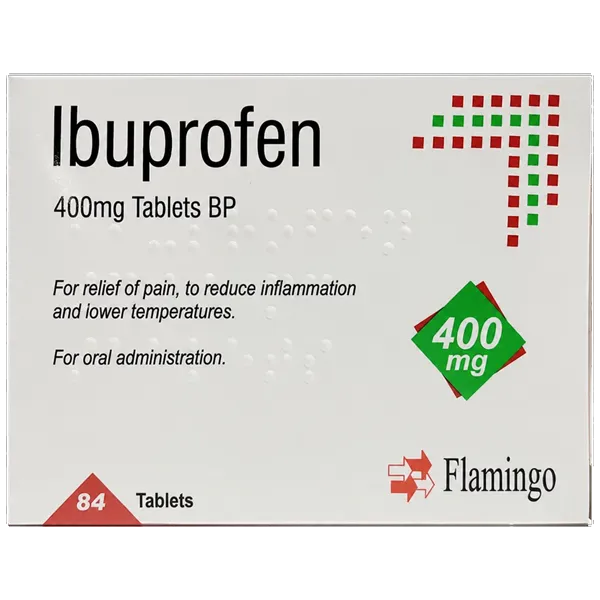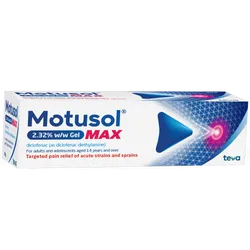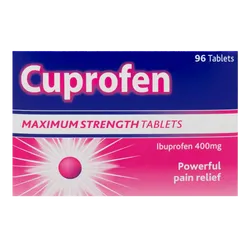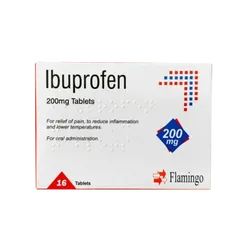
Do not take Ibuprofen 400 mg Tablets if you:
- Are allergic to ibuprofen 400mg tablets, any of the other ingredients of the medicine (listed in section 6), aspirin or other related painkillers.
- Have had a worsening of asthma, skin rash, itchy runny nose or facial swelling when previously taking ibuprofen, aspirin or similar medicines.
- Have (or have had two or more episodes of) a stomach ulcer, perforation or bleeding or other gastric complaint due to NSAIDs. Do not take Ibuprofen 400mg tablets if you currently have a peptic ulcer (ulcer in your stomach or duodenum) or bleeding in your stomach, or have had two or more episodes of peptic ulcers, stomach bleeding or perforation in the past. There is an increased risk of the elderly having these side effects.
- Are taking other NSAID painkillers, or aspirin with a daily dose above 75 mg.
- Suffer from liver or kidney disease.
- Suffer from heart disease, high blood pressure.
- Are in the last 3 months of pregnancy.
Warnings and precautions
Talk to your doctor or pharmacist before taking this medicine:
- If you have or have had asthma, diabetes, high cholesterol, high blood pressure, a stroke, heart, liver, kidney or bowel problems.
- If you are a smoker.
- If you are pregnant.
- If you are suffering from gastrointestinal disorders or long term inflammation of the intestines (for example, ulcerative colitis or Crohn's disease).
- Are suffering from Systemic Lupus Erythematosus (SLE) a condition of the immune system affecting connective tissue resulting in joint pain, skin change and disorders of other organs.
- Medicines such as ibuprofen may be associated with a small increased risk of heart attack ("myocardial infarction") or stroke. Do not exceed the recommended dose or duration of treatment. Any risk is more likely with high doses and prolonged treatment.
- If you have heart problems including heart failure, angina (chest pain), or if you have had a heart attack, bypass surgery, peripheral artery disease (poor circulation in the legs or feet due to narrow or blocked arteries) or any kind of stroke (including 'mini-stroke' or transient ischemic attack 'TIA') or think that you might be at risk of these conditions (for example if you have high blood pressure, diabetes, high cholesterol, a family history of heart disease or stroke, or if you are a smoker) you should discuss your treatment with your doctor or pharmacist.
- There is a risk of renal impairment in dehydrated children and adolescents. Therefore ask a doctor before use if you have not been drinking fluids or have lost fluid due to continuous vomiting or diarrhea.
- If you are 65 years and older. The elderly have an increased frequency of side effects to NSAIDs, especially stomach bleeding and perforation, which may be fatal. Inform your doctor if you have unusual abdominal symptoms particularly in the initial stages of treatment.
- If you have an infection - please see heading 'Infections' below.
- Are taking ibuprofen for longer than the recommended time or at higher than recommended doses you are at risk of serious harms. These include serious harms to the stomach/gut and kidneys, as well as very low levels of potassium in your blood. These can be fatal (see section 4).
- Skin reactions: Serious skin reactions have been reported in association with Ibuprofen 400mg Tablets treatment. You should stop taking Ibuprofen 400mg Tablets and seek medical attention immediately, if you develop any skin rash, lesions of the mucous membranes, blisters or other signs of allergy since this can be the first signs of a very serious skin reaction. See section 4.
- Infections: Ibuprofen 400mg Tablets may hide signs of infections such as fever and pain. It is therefore possible that Ibuprofen 400mg Tablets may delay appropriate treatment of infection, which may lead to an increased risk of complications. This has been observed in pneumonia caused by bacteria and bacterial skin infections related to chickenpox. If you take this medicine while you have an infection and your symptoms of the infection persist or worsen, consult a doctor without delay.
- Signs of an allergic reaction to this medicine, including breathing problems, swelling of the face and neck region (angioedema), chest pain have been reported with ibuprofen. Stop immediately Ibuprofen 400mg Tablets and contact immediately your doctor or medical emergencies if you notice any of these signs.
Take special care with Ibuprofen 400mg Tablets
The use of Ibuprofen simultaneously with other NSAIDs, including celecoxib, rofecoxib, etoricoxib (cyclooxygenase-2 selective inhibitors), should be avoided due to the increased risk of ulceration or bleeding (see section "Other medicines and Ibuprofen 400mg tablets").
Serious skin reactions
Serious skin reactions including exfoliative dermatitis, erythema multiforme, Stevens-Johnson syndrome, toxic epidermal necrolysis, drug reaction with eosinophilia and systemic symptoms (DRESS), acute generalized exanthematous pustulosis (AGEP) have been reported in association with ibuprofen treatment. Stop using Ibuprofen 400mg Tablets and seek medical attention immediately if you notice any of the symptoms related to these serious skin reactions described in section 4.
Use in children and adolescents:
Take special care and talk to a pharmacist or your doctor before taking this medicine if you are 12-18 years old as there is a risk of renal impairment. Therefore ask a doctor before use if you have not been drinking fluid or have lost fluids due to continuous vomiting or diarrhea. This medicine is not to be used in children under 12 years of age.
Other medicines and Ibuprofen 400 mg Tablets
Some medicines that are anti-coagulants (i.e. thin blood/prevent clotting e.g. aspirin, warfarin, ticlodipine), some medicines that reduce high blood pressure (ACE-inhibitors such as captopril, beta-blockers such as atenolol, or angiotensin-ll receptor antagonists such as losartan) and any other Ibuprofen preparations, such as those you can buy without a prescription may affect or be affected by treatment with ibuprofen. You should therefore always seek the advice of your doctor or pharmacist before you use ibuprofen with other medicines. In particular you should tell your doctor or pharmacist if you are taking any of the following medicines in addition to those mentioned above that are prescribed:
- To help you passing water (water tablets)
- For the treatment of inflammatory conditions (steroids)
- For mania or depression (e.g. lithium or selective serotonin reuptake inhibitors)
- To treat heart conditions (cardiac glycosides, such as digoxin)
- To treat certain cancers (methotrexate)
- For the temporary suppression of immune system (e.g. ciclosporin and tacrolimus)
- For pregnancy termination (mifepristone)
- For HIV treatment (zidovudine)
- Antibiotics called quinolones such as ciprofloxacin
Do not use this medicine if you are taking other NSAID painkillers, or aspirin with a daily dose above 75mg.
Fertility, pregnancy and breast-feeding:
Fertility
Ibuprofen 400 mg tablets belong to a group of medicines which may impair fertility in women. This effect is reversible on stopping the medicine. It is unlikely that Ibuprofen 400 mg tablets, used occasionally, will affect your chances of becoming pregnant, however, tell your doctor before taking this medicine if you have problems becoming pregnant.
Pregnancy
The use of Ibuprofen 400 mg Tablets whilst pregnant should be avoided.
Ibuprofen 400 mg Tablets should not be used in late (the last three months) of pregnancy as it could harm your unborn child or cause problems at delivery. It can cause kidney and heart problems in your unborn baby. It may affect your and your baby's tendency to bleed and cause labour to be later or longer than expected and should only be taken in the first six months of pregnancy on the advice of your doctor. If taken for more than a few days from 20 weeks of pregnancy onward, ibuprofen can cause kidney problems in your unborn baby that may lead to low levels of amniotic fluid that surrounds the baby (oligohydramnios) or narrowing of a blood vessel (ductus arteriosus) in the heart of the baby. If you need treatment for longer than a few days, your doctor may recommend additional monitoring.
Breast-feeding
Speak to your doctor or pharmacist before taking this medicine if you are breastfeeding.
If you are pregnant or breast-feeding, think you may be pregnant or are planning to have a baby, ask your doctor or pharmacist for advice before taking this medicine.
Driving and using machines:
Ibuprofen 400 mg Tablets may make you feel dizzy or drowsy. If the tablets affect you in this way do not drive, operate machinery or do anything that requires you to be alert.
Ibuprofen 400mg tablets contain lactose, sucrose and sunset yellow (E110)
This medicine contains less than 1 mmol sodium (23 mg) per tablet, that is to say essentially sodium-free'. If you have been told by your doctor that you have an intolerance to some sugars, talk to your doctor before taking these tablets. These tablets contain sunset yellow (E110), which can cause allergic-type reactions including asthma. Allergy is more common in those people who are allergic to aspirin.
4. Possible Side Effects
Like all medicines, Ibuprofen 400 mg tablets may cause side effects, although not everybody gets them.
Chest pain, which can be a sign of a potentially serious allergic reaction called Kounis syndrome. The following side effects are very rare (may affect upto 1 in 10,000 people), but if you suffer from any of the following at any time during your treatment STOP TAKING Ibuprofen 400 mg tablets and seek immediate medical help:
- Signs of serious allergic reaction such as difficulties in breathing or unexplained wheezing, dizziness or faster heartbeat, severe forms of skin reactions such as itchiness, skin rash with redness, peeling, flaking or blistering (e.g.:Steven-Johnson syndrome), swelling of your face, tongue and/or throat, drop in blood pressure leading to shock.
- Signs of intestinal bleeding such as passing blood in your faeces (stools/motions), black tarry stools, vomiting blood or dark particles that look like coffee grounds.
- Signs of aseptic meningitis (swelling of the protective membrane surrounding the brain) such as severe headache, high temperature, stiffness of the neck, nausea, vomiting, disorientation or intolerance to light. Patients with autoimmune disorders (lupus, mixed connective-tissue disease) may be more likely to be affected.
- Signs of kidney problems such as: passing less or more urine, cloudy urine or blood in urine, pain in the back and/or swelling (particularly in the legs). Ibuprofen, especially when taken at higher than recommended doses or for a prolonged period of time, can cause damage to your kidneys and affect them removing acids properly from your blood into the urine (renal tubular acidosis). It can also cause very low levels of potassium in your blood (see section 2). This is a very serious condition and will require immediate treatment. Signs and symptoms include muscle weakness and light-headedness.
- reddish non-elevated, target-like or circular patches on the trunk, often with central blisters, skin peeling, ulcers of mouth, throat, nose, genitals and eyes. These serious skin rashes can be preceded by fever and flu-like symptoms [exfoliative dermatitis, erythema multiforme, Stevens-Johnson syndrome, toxic epidermal necrolysis].
- Widespread rash, high body temperature and enlarged lymph nodes (DRESS syndrome).
- A red, scaly widespread rash with bumps under the skin and blisters accompanied by fever. The symptoms usually appear at the initiation of treatment (acute generalised exanthematous pustulosis).
Other possible side effects Uncommon side effects (may affect up to 1 in 100 people)
- Allergic reactions such as skin rashes (utricaria), itching, peeling
- Headache
- Indigestion, heartburn or feeling sick
- Pains in your stomach (abdomen) or other abnormal stomach problems
Rare side effects (may affect up to 1 in 1000 people)
- Diarrhoea, flatulence (wind), constipation and vomiting
Very rare side effects (may affect up to 1 in 10,000 people)
- Blood disorders resulting in unexplained or unusual bruising or bleeding, fever, sore throat, mouth ulcers, flu-like symptoms and severe exhaustion.
- Drop in blood pressure.
- Stomach or intestinal ulcers, sometimes with bleeding and perforation, inflammation of the lining of the mouth with ulceration (ulcerative stomatitis), inflammation of the stomach (gastritis).
- Liver problems.
Not known:
- Worsening of asthma or bronchospasm.
- Swelling (oedema), high blood pressure, heart failure or attack.
- Worsening of colitis and Crohn's disease.
- A severe skin reaction known as DRESS syndrome can occur. Symptoms of DRESS include: skin rash, fever, swelling of lymph nodes and an increase of eosinophils (a type of white blood cells).
- A red, scaly widespread rash with bumps under the skin and blisters mainly localized on the skin folds, trunk, and upper extremities accompanied by fever at the initiation of treatment (acute generalised exanthematous pustulosis). Stop using Ibuprofen if you develop these symptoms and seek medical attention immediately. See also section 2.
- Skin becomes sensitive to light.
- Medicines such as ibuprofen may be associated with a small increased risk of heart attack ("myocardial infarction") or stroke).