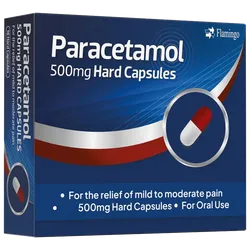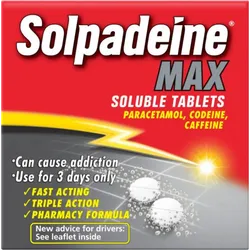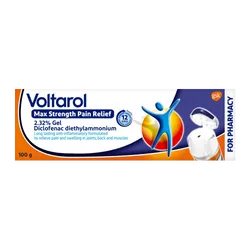
Do not take Lemsip Max Cold & Flu Capsules if:
- You are allergic to paracetamol, caffeine or phenylephrine hydrochloride or any of the other ingredients of this medicine (listed in the ingredients section).
- You have a serious heart condition.
- You have high blood pressure (hypertension) or an overactive thyroid.
- You are taking or have taken within the last 14 days a medicine called a monoamine oxidase inhibitor (MAOI), usually used to treat depression.
- You are taking other sympathomimetic decongestants.
- You have an enlarged prostate.
- You have phaeochromocytoma.
- You have diabetes mellitus.
- You have closed-angle glaucoma.
Warnings and Precautions:
Talk to your doctor or pharmacist before taking this medicine if:
- You have Raynaud's syndrome (poor blood circulation which makes the fingers or toes pale and numb).
- You have a problem with your liver or kidneys or a history of stomach ulcer.
- You have non-cirrhotic liver disease (liver disease that is not associated with changes in the structure of the liver).
During treatment with this medicine, tell your doctor straight away if:
- You have severe illnesses, including severe renal impairment or sepsis (when bacteria and their toxins circulate in the blood leading to organ damage).
- You suffer from malnutrition or chronic alcoholism.
- You are also taking flucloxacillin (an antibiotic).
A serious condition called metabolic acidosis (a blood and fluid abnormality) has been reported in patients in these situations when paracetamol is used at regular doses for a prolonged period or when paracetamol is taken together with flucloxacillin. Symptoms of metabolic acidosis may include serious breathing difficulties with deep rapid breathing, drowsiness, feeling sick (nausea) and being sick (vomiting).
Other Medicines and Lemsip Max Cold & Flu Capsules:
Tell your doctor or pharmacist if you are taking, have recently taken or might take any other medicines.
- Do not take with other paracetamol-containing products.
- Do not take if you are taking or have taken within the last 14 days a medicine called a monoamine oxidase inhibitor (MAOI), a medicine used to treat depression.
- Concomitant use of other cough and cold medicines could lead to overdose and should therefore be avoided.
Talk to your doctor or pharmacist if you are taking:
- Beta-blockers for high blood pressure, other antihypertensives or vasodilators.
- Tricyclic antidepressants, other decongestants, or barbiturates (used to treat sleep problems or epilepsy).
- Cholestyramine (used to treat blood cholesterol), metoclopramide and domperidone (for nausea and vomiting).
- Blood thinning drugs (warfarin and other coumarins).
- Digoxin and cardiac glycosides.
- Cimetidine (used to reduce stomach acid), disulfiram (used to treat alcoholism) or oral contraceptives.
- Medicines used to treat epilepsy (phenytoin and carbamazepine), medicines used to treat sleeping problems (barbiturates).
- Isoniazid (medicine used to treat tuberculosis).
- Oxytocin (used to help contractions during childbirth) and ergot alkaloids (used to treat migraine).
Pregnancy and Breast-feeding:
If you are pregnant or breast-feeding, think you may be pregnant or are planning to have a baby, ask your doctor or pharmacist for advice before taking this medicine. This product should not be used in women with a history of pre-eclampsia.
Driving and Using Machines:
This medicine can cause difficulty in sleeping, restlessness, nervousness or mental confusion. Do not drive or use machines if you are affected by any of these symptoms.
Possible Side Effects:
Like all medicines, this medicine can cause side effects, although not everybody gets them. Very rare (fewer than 1 in 10,000 patients treated):
- Cases of serious skin reactions have been reported.
Frequency not known:
- Allergic reactions (such as skin rashes).
- Blood disorders, such as thrombocytopenia (reduction in blood platelets which might mean that you bleed or bruise more easily), pancytopenia (reduction in white and red blood cells), agranulocytosis, leucopenia or neutropenia (reduction in white blood cells which makes infections more likely).
- A serious condition that can make blood more acidic (called metabolic acidosis), in patients with severe illness using paracetamol (see section 2).
- Headaches, dizziness, high blood pressure or palpitations.
- Stomach and gut disorder, such as, feeling sick, being sick, abdominal discomfort or gastric ulcer.
- Difficulty in sleeping, restlessness, anxiety, agitation, nervousness or mental confusion. If you are affected by any of these symptoms, do not drive or use machines.
- Caffeine, if taken close to bedtime, may interfere with sleep.
- Difficulty in passing urine (especially in men).
If you get any side effects, talk to your doctor, pharmacist or nurse. This includes any possible side effects not listed in this leaflet. You can also report side effects directly via the Yellow Card Scheme at: www.mhra.gov.uk/yellowcard or search for MHRA Yellow Card in the Google Play or Apple App Store. By reporting side effects, you can help provide more information on the safety of this medicine.