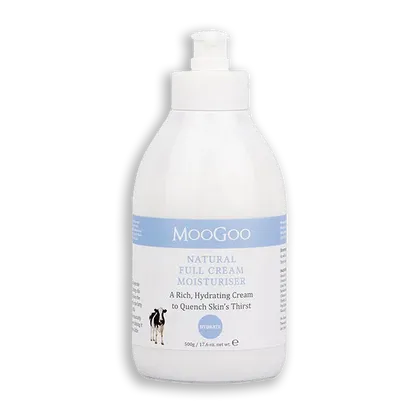
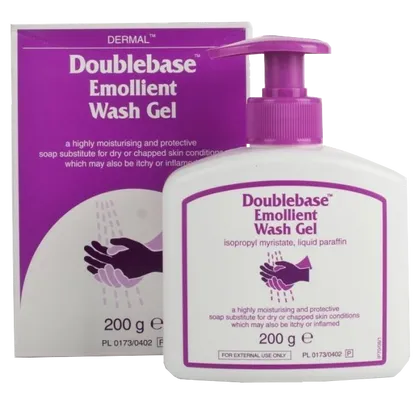
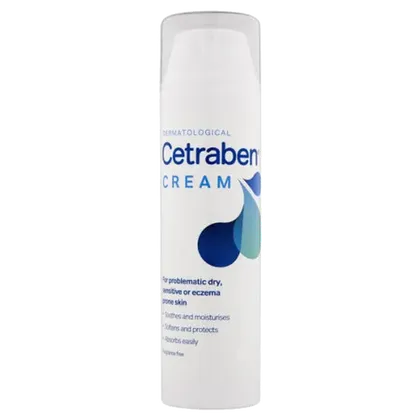
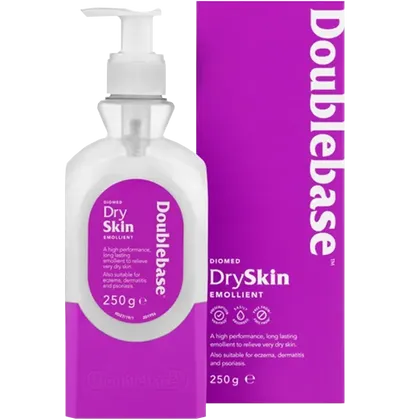
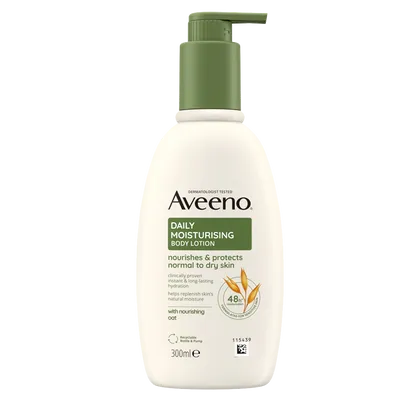
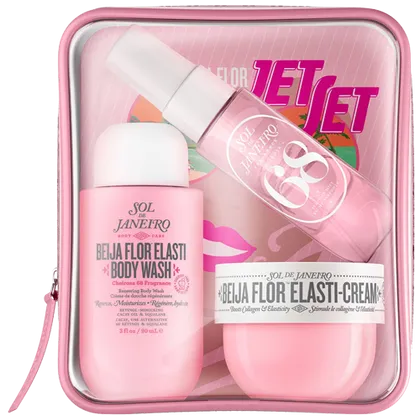
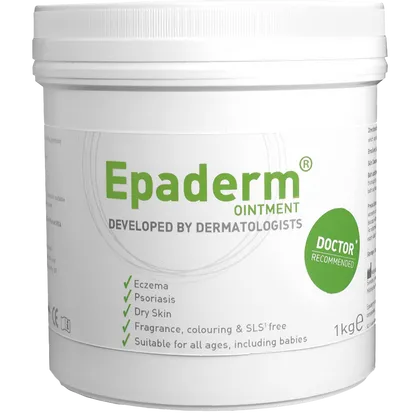
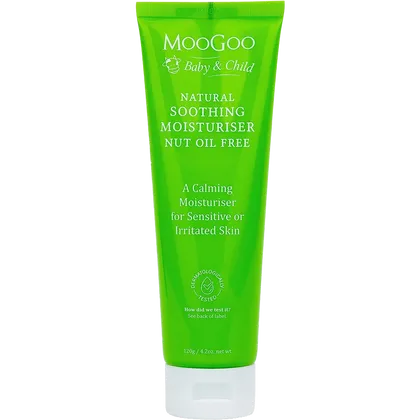
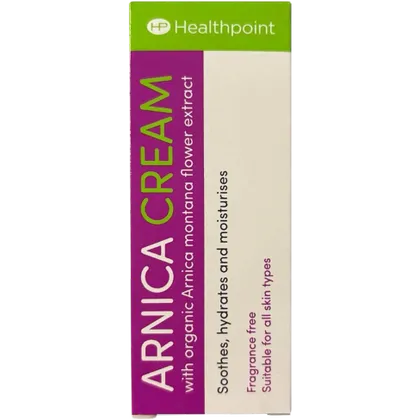
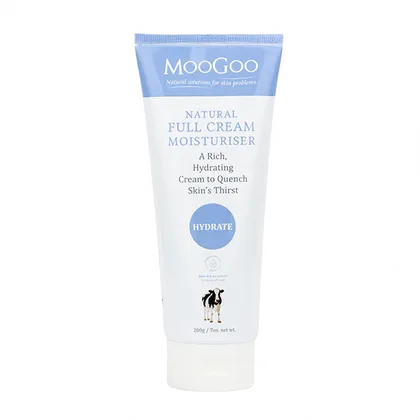
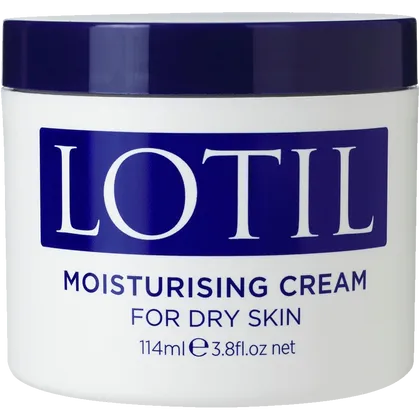
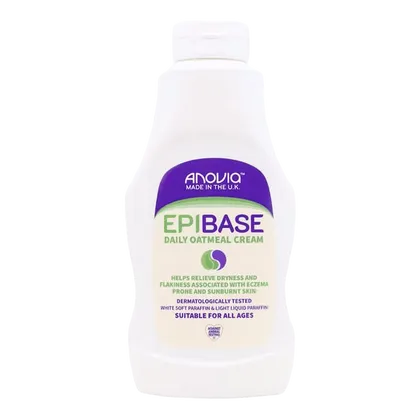
Body lotions have the lightest texture — they absorb quickly and are great for everyday use on normal or mildly dry skin. Body creams are thicker and provide longer-lasting moisture, making them a better choice for dry skin. Body butters are the richest of the three and are best suited to very dry areas or those who want an intensive treatment, particularly in winter.
For most people, applying a body moisturiser once a day after bathing or showering is enough to keep skin comfortable. If your skin is very dry, twice-daily application — particularly on areas like hands, elbows and lower legs — can make a significant difference. Those using emollients for a skin condition may need to apply them three to four times a day as advised by a pharmacist or GP.
For sensitive skin, always look for fragrance-free and hypoallergenic formulas. Products containing ceramides, such as the CeraVe range, help to reinforce the skin's natural barrier. Those with colloidal oatmeal, such as Aveeno, are also widely recommended for soothing and protecting sensitive and eczema-prone skin.
An emollient is the medical term for a moisturiser. Emollients are specifically designed to soothe, hydrate and protect the skin and are particularly recommended for people managing dry skin conditions such as eczema, psoriasis or dermatitis. They can be used as a daily moisturiser, a soap substitute or a bath additive. Many emollients are available to buy from Weldricks without a prescription.
Always apply your body lotion or cream before getting dressed, and give it a few minutes to absorb into the skin first. Applying moisturiser to slightly damp skin — straight after a shower or bath — helps to seal in moisture more effectively. Pat your skin dry gently with a towel rather than rubbing, which can cause irritation.
For mild dryness or occasional irritation, an over-the-counter body lotion or emollient will usually be enough. You should speak to a pharmacist if your dry skin is not improving after a couple of weeks of regular moisturising, or if you're unsure which product is right for your skin type. See a GP if your skin is persistently inflamed, cracked, infected, or if itching is affecting your sleep.