What’s the Best Contraception for Polycystic Ovary Syndrome?
In this guide
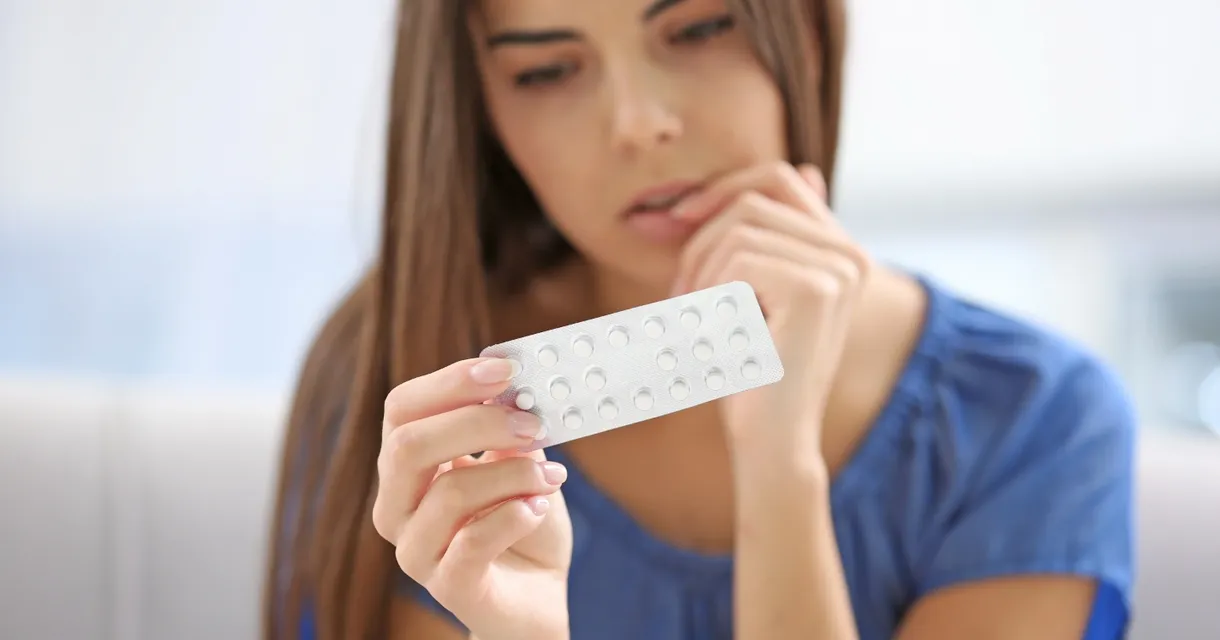
Polycystic ovary (or ovarian) syndrome (PCOS) is a common hormonal disorder affecting around 10-13% of reproductive-aged women.
Polycystic ovaries mean that the ovaries are bigger than normal and develop multiple small follicles around the eggs. This can interfere with the normal release of eggs during ovulation.
PCOS is characterised by high levels of androgens (often called “male hormones”), further disrupting ovulation and contributing to a range of symptoms.
Because of these hormonal imbalances, contraception is often recommended not only to prevent pregnancy but also to help manage symptoms such as irregular periods, acne, and excess hair growth.
However, with several options available, choosing the right method can feel confusing. So, what’s the best contraception method for PCOS? Let’s break it down clearly.
Key Takeaways
- PCOS is a common hormonal condition that can cause irregular periods, acne, excess hair growth and fertility challenges due to raised androgen levels and disrupted ovulation.
- Hormonal contraception is often recommended to help manage PCOS symptoms.
- The combined pill, vaginal ring and patch are usually most effective for lowering androgen levels and improving acne and excess hair.
- Progestogen-only options, including the mini pill and hormonal IUD, protect the womb lining but may not improve androgen-related symptoms.
What are the Symptoms of PCOS?
Common PCOS symptoms include:
- Irregular periods or missed periods
- Severe or persistent acne, oily skin
- Infertility
- Excessive hair growth (hirsutism) on the face, chest, or back
- Hair loss or thinning (low vitamin levels may also cause hair loss)
- Heavy bleeding
- Darkening of the skin
- Weight gain
- Insulin resistance
Can Contraception Help With PCOS?
Yes. Hormonal birth control is commonly used as part of PCOS treatment.
Contraception doesn’t cure PCOS permanently, but it can:
- Regulate periods (see more about period care in our guide).
- Reduce excess androgen levels.
- Improve acne.
- Reduce unwanted hair growth.
- Reduce the risk of ovarian and endometrial cancer by making sure you have regular bleeds and by preventing the womb lining from overgrowing.
What are the Best Birth Control Options for PCOS?
The best contraceptive methods for PCOS are the following:
- Combined contraceptive pill
- Mini pill
- Vaginal ring
- Contraceptive patch
- Progestin-containing intrauterine devices (IUDs)
Let’s take a more detailed look:
1. Combined Oral Contraceptive Pill
The combined pill (containing both oestrogen and progestogen) is one of the best contraceptive methods for managing PCOS symptoms.
How it helps with PCOS:
- Lowers androgen levels
- Regulates irregular periods
- Improves acne
- Reduces excess hair growth
- Protects the womb lining
For many women, this is considered the best type of pill for PCOS symptoms.
Need a refresher? Read our guide on the combined contraceptive pill!
2. The Mini Pill (Progestogen-Only Pill)
The mini pill contains progestogen only. It’s considered a good alternative for women who can’t use combined contraceptives (e.g., if you’re a smoker, over 35, have high blood pressure, etc.).
How it helps with PCOS:
- Protects the womb lining
- Regulates menstrual cycles
- May reduce bleeding
However, it does not lower androgen levels as effectively as the combined pill. It may not improve acne or excess hair growth.
3. Vaginal Ring
The vaginal ring releases oestrogen and progestogen locally. It works similarly to the combined pill but is placed inside the vagina and changed monthly.
How it helps with PCOS:
- Regulates periods
- Lowers androgen levels
- Improves acne
- Reduces excess hair growth
- Thins the womb lining
4. Contraceptive Patch
The contraceptive patch also contains oestrogen and progestogen and works in a similar way to the combined pill and the vaginal ring.
How it helps with PCOS:
- Regulates menstrual cycles
- Lowers androgen levels
- Improves acne and reduces excess hair growth
- Prevents endometrial hyperplasia
5. Hormonal Intrauterine Devices (IUDs)
The hormonal IUD is a small T-shaped device placed inside the womb. It releases a low dose of progestogen directly into the uterine lining over several years.
How it helps with PCOS:
- Protects the womb lining if you have irregular or infrequent periods
- Manages heavy or painful periods
However, it does not significantly lower androgen levels, so it may not improve acne or excess hair growth.
Choosing the Best Contraception for PCOS Women
When deciding on the best contraception for PCOS, it helps to think beyond symptom control only. The right choice should fit your health needs, lifestyle, and future plans.
Consider the following:
1. Are Irregular Periods Your Main Concern?
If your cycles are unpredictable or infrequent, combined hormonal methods are often recommended to regulate bleeding and protect the womb lining.
2. Is Acne or Excess Hair Affecting Your Confidence?
In this case, you may need something that effectively lowers androgen levels. This means that progestogen-only methods (such as the mini pill or hormonal IUDs) are less likely to help with these symptoms.
3. How Easy Do You Need It to Be?
If you prefer not to think about contraception daily, longer-acting options (such as the vaginal ring, patch, or hormonal IUD) may suit you better.
If you like having more control and flexibility, an oral pill taken daily may be the right one for you.
4. What Are Your Future Pregnancy Plans?
If you’re planning to get pregnant soon, short-acting methods like the pill, patch or ring may be more convenient.
Can PCOS Be Cured Permanently?
There is currently no permanent cure for PCOS. However, the symptoms can be effectively managed through:
- Hormonal contraception
- Weight management (e.g., by eating healthy, exercising regularly)
- Insulin-sensitising medication (if prescribed)
Find the Right Contraception for Your PCOS
Choosing the right birth control for PCOS doesn’t have to be overwhelming.
Use our online contraceptive service to receive personalised recommendations based on your symptoms, health history and preferences.
Our trained pharmacists will help you choose the best contraceptive option for you!
FAQs
Can contraception help with PCOS weight loss?
Birth control itself does not directly cause weight loss. However, by stabilising hormone levels, it may help some women manage their weight more effectively.
Is weight loss your goal? Explore our weight loss service for trusted, pharmacy-quality support!
What is Polycystic Ovary Syndrome caused by?
The exact cause is unknown. However, PCOS is linked to:
- Resistance to insulin
- Hormonal imbalance
- Genetics
Are you less fertile with PCOS?
Yes, PCOS can make ovulation irregular, which may reduce fertility.
At what age is peak fertility with PCOS?
The best age to get pregnant with PCOS is between 20s and early 30s.
Published 23rd June 2026 by
Allan Green
Registered Pharmacist & Head of E-commerce
Allan has been a Registered Pharmacist for 25+ years
He specializes in Ecommerce and Over the Counter medicines.
He is a Registered Pharmacist, who studied at University of Bradford.
He has been with Weldricks since 2006, starting as a branch manager before moving into area management and deputy superintendent roles.
His current responsibilities include web development, marketing, content, customer service and web operations teams.