What Vitamin Deficiency May Cause Hair Loss?
In this guide
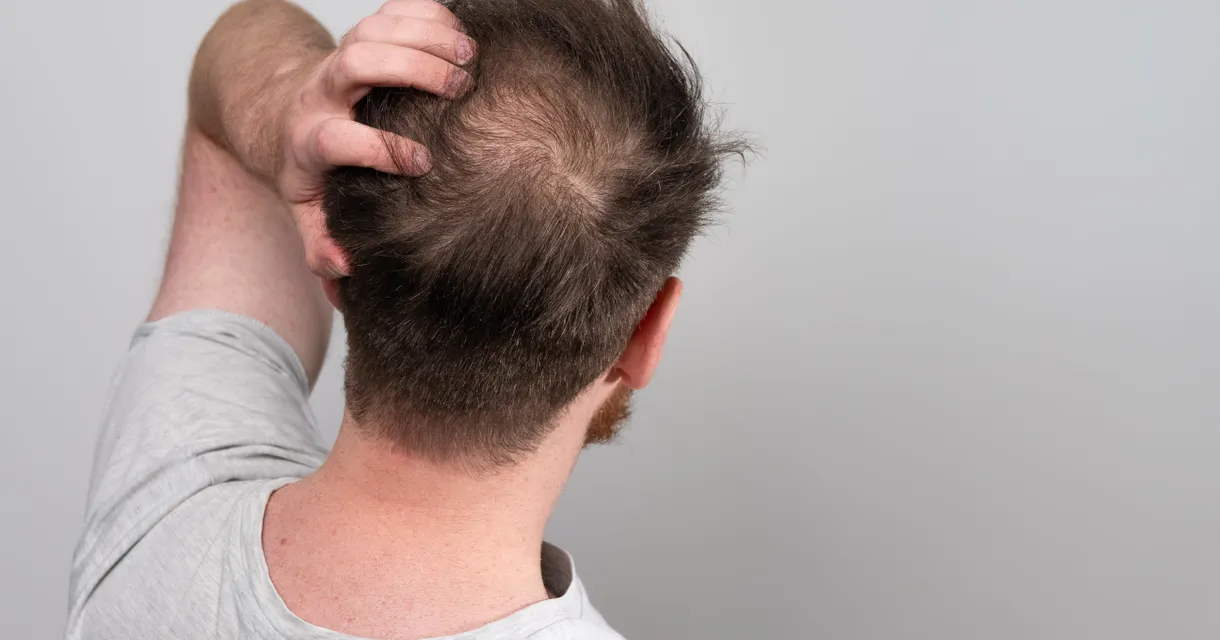
While genetics, hormones, and ageing play major roles, there is one more factor closely linked to hair loss: vitamin deficiency.
Certain vitamins (and minerals) support the maintenance of normal hair, and when levels are too low, you may experience hair problems.
This guide explains what vitamin deficiency causes hair loss, the symptoms to look for, and how to support healthy hair.
General Hair Loss: Facts & Statistics
- According to the NHS, it’s normal to lose 50-100 hairs a day.
- NHS data show that male or female pattern baldness (or androgenetic alopecia) is the most common type of hair loss, affecting 6.5 million men and 8 million women in the UK.
The Link Between Vitamin Deficiencies & Hair Loss
Scientific research has shown that vitamin deficiencies are closely linked to hair loss issues:
- Micronutrients, such as vitamins and minerals, play an important role in normal hair follicle development, according to a 2018 study.
- A 2021 biochemical study describes the mechanisms through which nutritional deficiencies disrupt healthy hair follicle function.
Vitamin Deficiencies That May Cause Hair Loss
1. Vitamin D
Vitamin D is involved in hair follicle growth. Low vitamin D levels may be associated with certain types of hair loss, such as telogen effluvium (TE), androgenetic alopecia, and alopecia areata.
Hair-related symptoms of vitamin D deficiency
- Moderate or increased hair shedding
- Hair thinning
- Slow regrowth
Other deficiency symptoms
- Muscle or bone pain
- Muscle weakness
- Fatigue
- Low mood
- Weakened immune system (read here how to boost your immune system)
How vitamin D supplements may help
Vitamin D contributes to the normal function of the immune system, improving the body’s response to infections and promoting general tissue health. Both of these Vitamin D health benefits may indirectly influence hair quality.
Browse all our Vitamin D supplements:
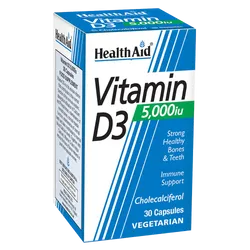
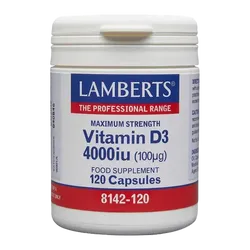
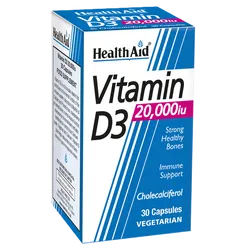
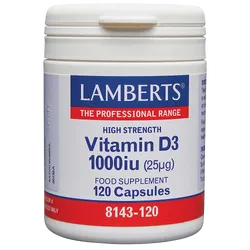
Attention! Always consult your GP or pharmacist to ensure the correct dosage.
How to get more vitamin D
- Increase sunshine exposure.
- Eat more vitamin D-rich foods like salmon, sardines, egg yolks.
2. Biotin (Vitamin B7)
Research has shown that low levels of biotin can lead to alopecia. It’s still debatable whether biotin treats hair loss in individuals without a deficiency.
The good news is that biotin deficiency is rare, as our system is able to produce adequate amounts of biotin.
Hair-related symptoms of biotin deficiency
- Brittle, fragile hair
- Hair thinning
- Slow growth
Other deficiency symptoms
- Skin rashes
- Brittle nails
- Fatigue
- Muscle pain
- Dry eyes
- Nausea
How biotin supplements may help
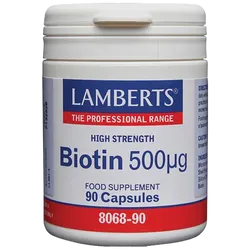
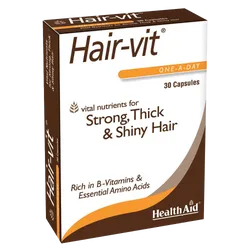
Biotin contributes to the maintenance of normal hair, so you may as well consider getting biotin supplements. Speak to a healthcare provider to ensure the right dose.
How to get more biotin
Get a balanced diet rich in:
- Eggs
- Nuts & seeds
- Whole grains
- Sweet potatoes
3. Folate / Folic Acid (Vitamin B9)
Folic acid is a highly important nutrient that helps cells grow, supporting hair, skin, and nail development, while also contributing to normal blood formation.
Hair-related symptoms of folate deficiency
- Hair shedding
- Hair thinning
- Dry hair
- Slow regrowth
Other deficiency symptoms
- Tiredness
- Mouth ulcers
- Muscle weakness
- Headaches
- Pale skin
How folate supplements may help
Low levels of folic acid can slow down the cell production process, impacting your hair. Folate supplements will help you restore normal levels of vitamin B9 and accelerate cell division and growth.
Supplementation should always be discussed with a healthcare professional.
-
Lamberts Multi-Guard Tablets Pack of 90 £16.98 save £6.97
-
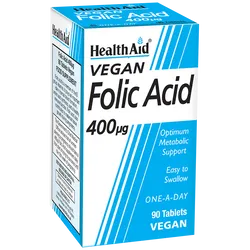
HealthAid Folic Acid 400mcg Tablets Pack of 90 £5.49 save £1.50
-
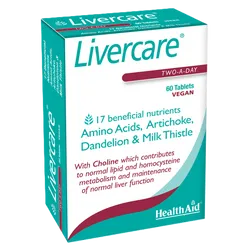
HealthAid Livercare Tablets Pack of 60 £10.90 save £4.09
-
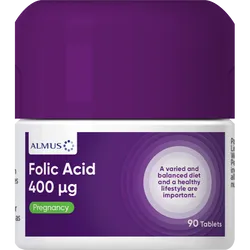
Almus Folic Acid 400ug Tablets Pack of 90 £1.19 save £0.80
-
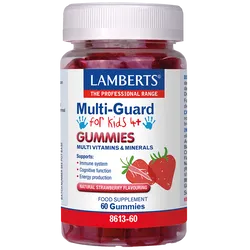
Lamberts Multi-Guard Gummies for Kids Pack of 60 £9.49 save £4.01
How to get more folic acid (vitamin B9)
- Leafy greens
- Beans & lentils
- Citrus fruits (oranges, bananas, melons, etc.)
4. Vitamin C
Vitamin C has many health benefits, including immune system boosting and better skin healing.
But it can also help your hair in several ways:
- Contributes to collagen formation, which strengthens the structures of hair follicles.
- Neutralises free radicals that can damage hair follicles.
- Helps with iron absorption. Iron deficiency has been linked to weakened hair strands and hair loss.
Hair-related symptoms of vitamin C deficiency
- Brittle, breaking strands
- Increased hair shedding
- Dry hair
- Slower growth
Other deficiency symptoms
- Fatigue
- Sore arms & legs
- Irritability
- Swollen or bleeding gums
- Easy bruising
- Poor wound healing
How vitamin C supplements may help
Vitamin C supplementation will help with your immune system function, collagen creation, and iron absorption, which are all crucial for hair growth.
Remember to speak to your GP before starting supplements.
Browse our Vitamin C supplements:
-
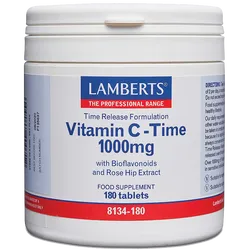
Lamberts Vitamin C Time Release with Bioflavonoids Tablets 1000mg Pack of 180 £17.98 save £4.97
-
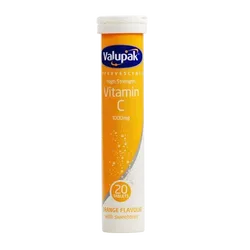
Valupak Vitamin C Effervescent High Strength 1000mg Pack of 20 £1.95 save £0.45
-
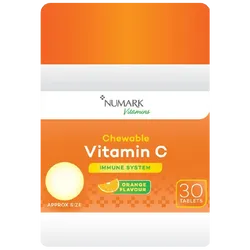
Numark Chewable Vitamin C 500mg Tablets Pack of 30 £1.85 save £0.84
-
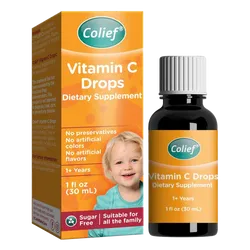
Colief Vitamin C Drops 30ml £5.19 save £0.80
-
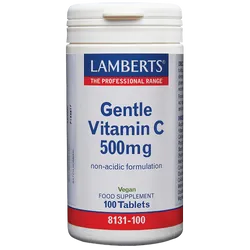
Lamberts Gentle Vitamin C 500mg Tablets Pack of 100 £9.49 save £4.01
How to get more vitamin C
- Citrus fruits
- Tropical fruits (guava, mango, papaya, pineapple)
- Berries (strawberries, raspberries, blueberries)
- Peppers
- Broccoli
- Leafy greens (kale, spinach)
- Tomatoes
- Potatoes
Mineral Deficiencies That Can Cause Hair Loss
Besides vitamin deficiencies, hair loss is also associated with low levels of certain minerals.
Below are the key mineral deficiencies that may cause hair loss:
1. Iron
Iron deficiency (which may lead to anaemia) is one of the most common deficiency-related causes of hair loss, especially in women.
Low levels of iron in your body may lead to telogen effluvium.
Hair-related symptoms
- Hair shedding & thinning
- Stunted hair growth
Other deficiency symptoms
- Tiredness & lack of energy
- Shortness of breath
- Pale skin
- Headaches
- Heart palpitations
- Cold hands & feet
- Brittle nails
- Restless leg syndrome
How iron supplements may help
By supporting normal red blood formation and normal oxygen transport, iron helps the body deliver nutrients and oxygen to tissues more effectively.
This supports overall well-being and may indirectly benefit the condition of your hair.
Remember: You should consult a GP before any supplementation.
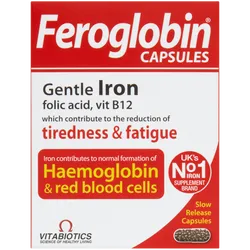
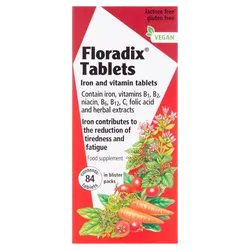
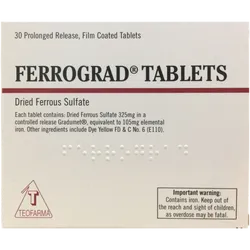
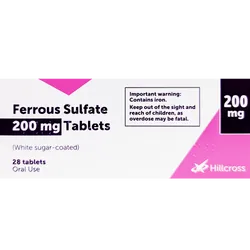
Explore Weldrick’s quality iron supplements:
How to get more iron
- Eat red meat, poultry, lentils, beans, dark green leafy vegetables (like spinach), nuts, seeds, etc.
- Don’t drink coffee, tea, or milk with your iron-rich meals, as compounds in these drinks can hinder iron absorption.
2. Zinc
Zinc contributes to the maintenance of normal hair, making it one of the key minerals associated with shedding when levels are low.
Hair-related symptoms
- Weak or brittle hair
- Dullness
- Hair shedding & thinning
- Slower growth
Other deficiency symptoms
- Poor wound healing
- Dry skin
- Skin problems (acne, eczema)
- Reduced appetite
- Brittle nails
- Loss of taste & smell
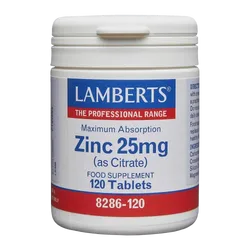
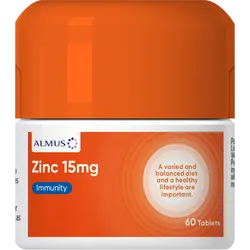
How zinc supplements may help
Adequate zinc levels support protein production and cell growth within hair follicles, which leads to strong and healthy hair.
Always consult your GP or pharmacist before zinc supplementation to ensure the correct dosage.
How to get more zinc
- Red meat
- Poultry like chicken and turkey
- Seafood like shrimp and sardines
- Eggs
- Yoghurt, cheese, milk
What Vitamin Deficiencies Can Cause Hair Loss — Conclusion
Vitamin and mineral deficiencies can lead to weaker, thinner, or shedding hair. But the good news is that nutrition and supplementation can reverse this outcome.
Follow our advice given above, explore Weldricks’ range of quality supplements and support your unique health needs!
FAQs
How much hair loss is normal?
Most people lose 50–100 hairs per day as part of the natural hair growth cycle.
Can over-supplementing cause hair loss?
Yes, over-supplementing certain vitamins and minerals can also cause hair loss, as too much of some nutrients can disrupt the normal hair growth cycle.
That’s why you should always follow recommended doses and speak to your GP before taking any supplements.
How much Vitamin D does an adult need daily?
- Adults (19–70 years): 600 IU (15 mcg) daily
- Adults over 70: 800 IU (20 mcg) daily
- UK public health advice: 400 IU (10 mcg) daily during autumn/winter
How much Vitamin C does an adult need daily?
- Adults (19–64 years): 40 mg daily
- Women: 75 mg daily
- Men: 95 mg daily
How much folic acid (vitamin B9) does an adult need daily?
- Adults need 200 micrograms (mcg) of folate a day.
- Pregnant women (or women trying to get a baby) need 400 mcg of folic acid daily (until they’re 12 weeks pregnant).
How much zinc does an adult need daily?
The NHS suggests:
- 9.5 mg a day for men
- 7 mg a day for women
How much iron does an adult need daily?
The NHS suggests:
- 8.7 mg a day for men aged 19 and over
- 14.8 mg a day for women aged 19 to 49
- 8.7 mg a day for women aged 50 and over
Published 31st December 2025 by
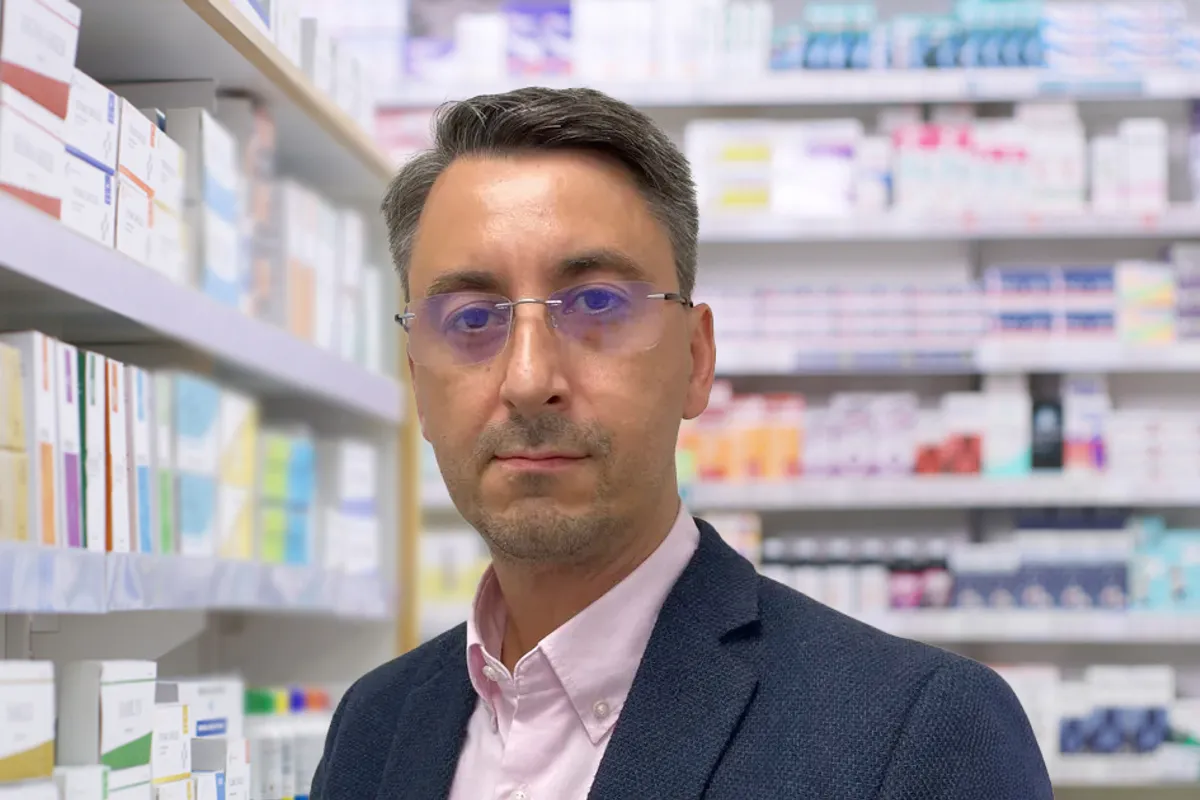
Allan Green
Registered Pharmacist & Head of E-commerce
Allan has been a Registered Pharmacist for 25+ years
He specializes in Ecommerce and Over the Counter medicines.
He is a Registered Pharmacist, who studied at University of Bradford.
He has been with Weldricks since 2006, starting as a branch manager before moving into area management and deputy superintendent roles.
His current responsibilities include web development, marketing, content, customer service and web operations teams.
Related Products
-
Feroglobin Capsules Pack of 30 £3.99 save £2.16
-
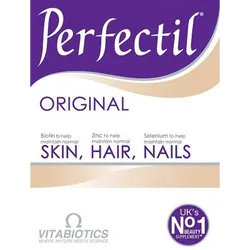
Perfectil Original Tablets Pack of 30 £6.09 save £3.46
-
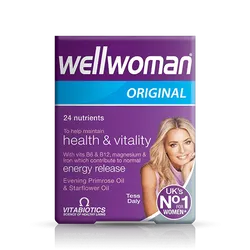
Wellwoman Original Capsules Pack of 30 £5.98 save £2.57
-
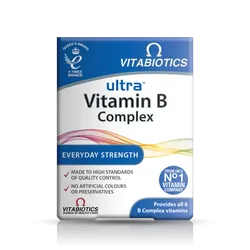
Vitabiotics Ultra Vitamin B Complex Tablets Pack of 60 £3.49 save £1.46
-
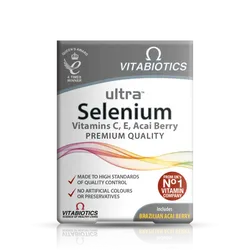
Vitabiotics Ultra Selenium Tablets Pack of 30 £5.49 save £2.46
-
Vitabiotics Ultra Zinc Tablets Pack of 60 £2.59 save £1.26
-
Applied Nutrition Solutions Collagen Effervescent Tablets Mango Pack of 20 £4.85 save £0.10
-
Applied Nutrition Collagen Powder Unflavoured 150g £9.99 save £4.96