Which Contraceptive Pill Is Best For Acne?
In this guide
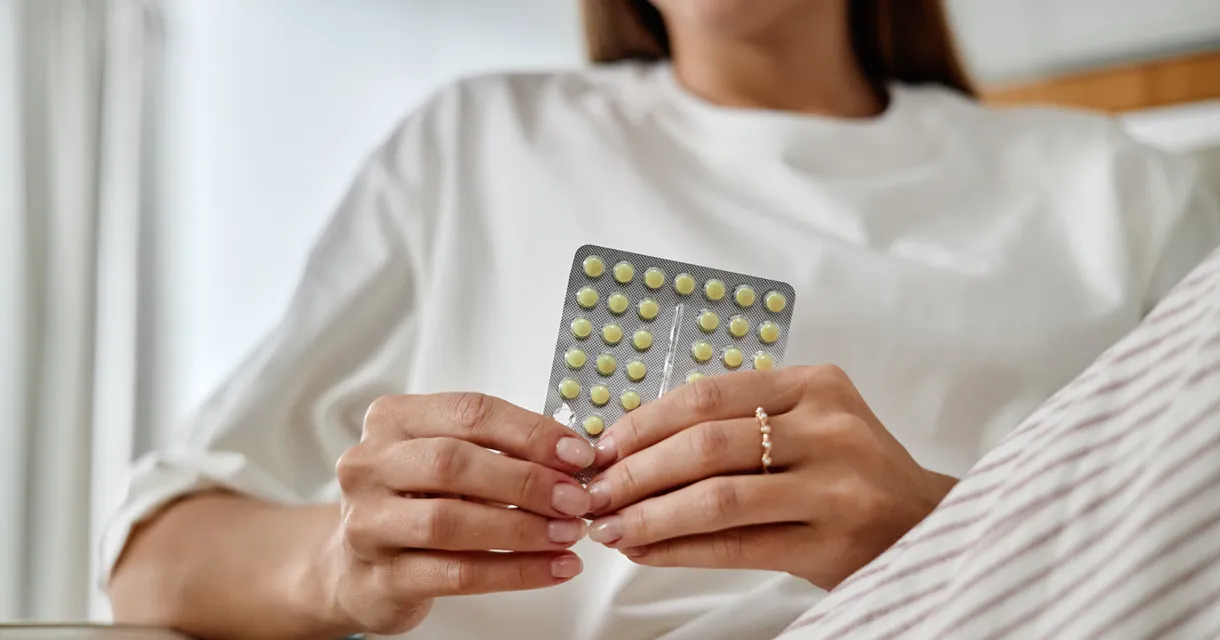
Most people associate contraceptive pills only with preventing pregnancy. While this is their primary purpose, they can also help improve acne.
So, if you’re struggling with acne breakouts, read on to find out which contraceptive pill is best for acne, how contraception can help, and what to consider.
Key Takeaways
- Hormonal acne is caused by hormone fluctuations (excess androgens), leading to overproduction of sebum (an oily substance), which blocks skin pores.
- Some combined contraceptive pills can significantly improve acne. They contain oestrogen, which helps reduce androgens in the body.
- Mini (progesterone-only) pills are generally not recommended for acne treatment. The reasons are that they lack oestrogen and that some progestins have androgenic effects.
- Results usually take 3–6 months.
- Professional advice helps ensure the pill is safe and suitable.
What Is Hormonal Acne?
Hormonal acne is a skin condition in which sebum (an oily substance) is overproduced and clogs skin pores (along with dead skin cells). The overproduction of sebum is caused by changing hormone levels (particularly excess androgens).
Under normal circumstances, sebaceous glands produce normal amounts of sebum, which keeps the skin and hair hydrated.
Causes of Hormonal Acne
Hormonal acne can develop for several reasons, including:
- Hormonal fluctuations (e.g., menstrual cycle, perimenopause, pregnancy)
- Family history of acne
- Stress
- Lack of sleep
- Certain medical conditions (such as polycystic ovary syndrome)
- Skincare or cosmetic products that clog pores
For more information on what causes acne, check out Weldricks’ useful guide!
Symptoms of Hormonal Acne
Common acne symptoms include:
- Whiteheads
- Blackheads (read here how to get rid of blackheads)
- Cysts
- Pustules
- Papules
- Nodules
- Red or inflamed spots
Failing to address these spots may lead to acne scarring. Find out more about acne scars and how to get rid of them in our guide.
Acne lesions usually appear on the cheeks, but may also appear on:
- Face
- Neck
- Shoulders
- Chest
- Back
Do Contraceptive Pills Help With Acne?
Yes, some contraceptive pills can help improve acne, especially those designed to reduce the effect of hormones that trigger oil (sebum) production.
The pills most often used for acne treatment are the combined contraceptive pills (read here everything about the combined pill), which contain both progestogen and oestrogen.
Not all contraceptive pills help with acne; for example, the mini (progesterone-only) pill can even make it worse.
How Can the Combined Contraceptive Pill Help With Acne?
- Acne is caused by excess androgens (male hormones like testosterone).
- Androgens increase oil (sebum) production.
- Oestrogen found in combined pills reduces androgens in the body.
- Fewer androgens mean reduced oil production, which lowers the risk of clogged pores and helps prevent acne breakouts.
The Best Contraceptive Pills for Acne
The best combined contraceptive pills for acne treatment include.
1. Dianette (Co-Cyprindiol)
- The Dianette pill contains cyproterone acetate, which blocks androgens to reduce oil production.
- It’s most often prescribed for individuals with moderate or severe acne.
- It’s usually recommended for short-term use due to a higher risk of blood clots. That’s why it’s no longer prescribed only for contraceptive reasons.
2. Yasmin & Lucette (Drospirenone & Ethinylestradiol)
- Yasmin and Lucette contain a progestogen called drospirenone. Drospirenone has anti-androgenic properties, reducing the effect of male hormones such as testosterone.
- They’re more suitable for mild or moderate acne.
- They’re a good choice for women looking for both skin benefits and contraception (by the way, if you’re interested in exploring contraception options, access our pharmacy contraception service).
- They may also help with bloating.
Choose the Right Pill for Your Skin with Weldricks
If you’re unsure which contraceptive pill may suit your skin best, Weldricks offers an online contraceptive assessment powered by Tuune.
Through this service, you can put in your symptoms (including acne concerns) along with details about your health, lifestyle, and menstrual cycle. And after that:
- Tuune’s advanced algorithm will help identify contraceptive options that may be more suitable for you, taking both contraception needs and skin-related symptoms into account.
- Your answers will be reviewed by a trained pharmacist, who can discuss the results with you and help you decide on the most appropriate option. This ensures your choice is not only convenient, but also safe and personalised.
Start your online contraceptive assessment to get tailored advice and support in choosing a pill that works for your skin.
What Contraceptives Should I Avoid for Acne?
The mini (progesterone-only) pill is generally not recommended for treating acne, as it may worsen breakouts.
Let’s see why:
- Mini pills lack oestrogen, meaning they can’t reduce androgen activity.
- Some progestins (but not all) have androgenic effects, meaning they can act similarly to male hormones.
This can lead to increased oil production and acne breakouts.
Progestins that May Worsen Acne
- Levonorgestrel
- Norethindrone (also called norethisterone)
How Quickly Can the Contraceptive Pill Clear Acne?
- Most women start to see their acne improving after 2-3 months.
- More significant changes can occur after 3-6 months.
Other Acne Treatments to Consider
Contraceptive pills aren’t the only option. Depending on the severity of your acne, other treatments may help, including:
- Topical treatments such as creams and gels (e.g., benzoyl peroxide, azelaic acid, retinoids, etc.)
- Topical antibiotics (or oral antibiotics, for more severe acne)
- Targeted skincare routines (cleansers, toners, moisturisers)
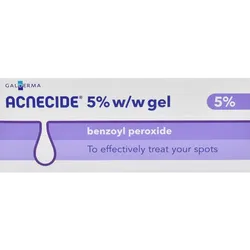
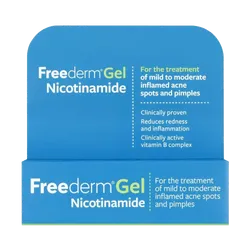
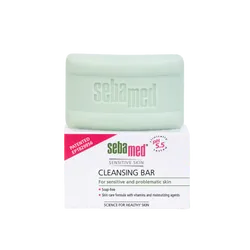
The Best Contraceptive Pill For Acne — Final Words
Hormonal acne can often be managed with the right contraceptive choice, but the results may vary from person to person. That’s why it’s important to consult your healthcare professional.
If you’re interested in combining effective contraception with skin benefits, you can get an online contraception consultation from the comfort of your own home!
FAQs
What foods trigger acne breakouts?
- High-glycaemic foods such as white bread, pastries, sugary drinks, and more.
- Milk
- Chocolate
- Foods with high levels of saturated fats (fried foods, baked goods, etc.)
- Alcohol
Can acne come back if I stop the pill?
Yes. If acne is hormone-driven, it may return or worsen after stopping the contraceptive pill.
Published 12th February 2026 by

Richard Hackett
Director of Pharmacy Service
My first role in Weldricks was as a Saturday assistant before starting at Bradford University, where I obtained a Master of Pharmacy Degree and qualified as a Pharmacist in 2005.
I started my career as a Pharmacist as the manager of our Swinton branch, before moving between several branches and completing a Clinical post-graduate diploma from Keele University in 2010. After re-joining the company in 2019, I’ve held a number of field and central roles before moving into my current position in 2025. I am responsible for the safe and effective running of our Pharmacy Network, working with all different functions to make this happen.