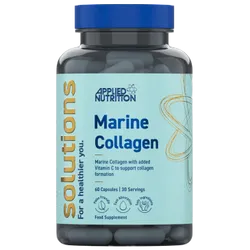
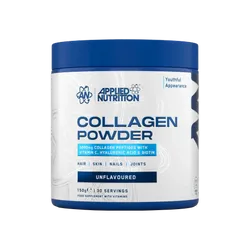
Biotin vs Collagen: Which Works Better for Hair & Skin?
In this guide

When it comes to improving hair and skin health, biotin and collagen are two of the most popular supplements.
But the question is: Do they really work? And which one is better?
In this guide, we’ll break down the science, compare their benefits, and help you decide what may suit your needs best.
Biotin vs Collagen: Quick Comparison at a Glance
|
Feature |
Biotin |
Collagen |
|
Type |
Water-soluble vitamin |
Structural protein |
|
Main role |
Contributes to the maintenance of normal hair and skin |
Structural component of skin, cartilage, and connective tissues |
|
Authorised health claims |
Yes (hair & skin maintenance) |
No authorised health claims |
|
Best suited for |
Individuals with low biotin levels or deficiency-related concerns |
General nutritional support |
|
Effectiveness |
Most relevant when addressing a nutritional gap |
Effects may vary depending on individual use |
|
Found in foods |
Eggs, nuts, seeds, whole grains, meat, fish |
Bone broth, chicken with skin, fish with skin, gelatin |
What Is Biotin?
Biotin, also known as vitamin B7, is a water-soluble B vitamin that plays an important role in converting nutrients into energy.
It also contributes to the maintenance of normal hair and skin, making it particularly relevant for beauty-related concerns.
Your body doesn’t make biotin naturally, which is why you need to take it from foods, such as eggs, nuts, seeds, and more.
While biotin deficiency is rare, low levels may lead to symptoms, such as:
- Brittle, fragile hair
- Hair thinning
- Slow hair growth
Read more about what vitamin deficiencies may cause hair loss in our expert guide!
What Is Collagen?
Collagen is the most abundant protein in the body and is a key structural component of skin, bones, cartilage, and connective tissue.
It helps maintain the structure and strength of these tissues. Collagen is produced naturally by our body. However, its levels decline with age (by 1.0%-1.5% per year), which is why it’s often associated with skin ageing.
It is made up of amino acids that are important for maintaining connective tissue throughout the body.
Biotin vs Collagen: Which Is Better for Hair?
Biotin for Hair Health
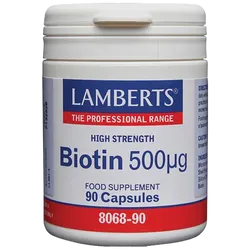
Biotin plays an important role in supporting healthy hair, as it’s involved in the production of keratin, a protein that makes up the structure of the hair.
Low levels of biotin have been associated with hair thinning and increased hair shedding. Biotin supplementation may improve hair quality and growth, especially in people with an underlying deficiency.
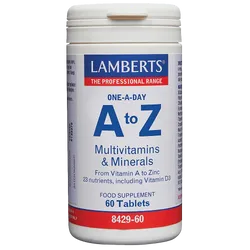
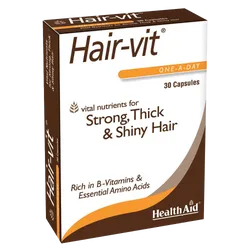
Collagen for Hair Health
Collagen is sometimes marketed for hair growth because it contains amino acids involved in keratin production.
However, scientific evidence is limited.
While some studies (such as this 2022 study on collagen peptides, which linked fish-derived collagen with better hair growth) suggest potential benefits, there is no solid evidence proving that collagen improves hair growth in humans.
Collagen may still play an indirect role in hair health:
- It’s a key structural protein of the skin, including the scalp. And a healthy scalp environment is important for maintaining normal hair growth.
- Collagen provides amino acids (such as glycine and proline), which are involved in the structure of proteins found in hair.
Bottom Line: Which Is Better for Hair?
Biotin is the clearer winner, especially in cases of deficiency. Collagen may support overall structure indirectly, but evidence is limited and not officially recognised.
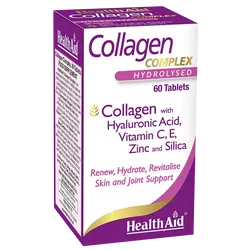
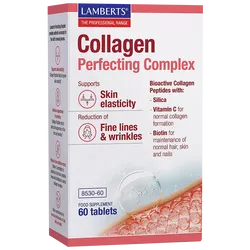
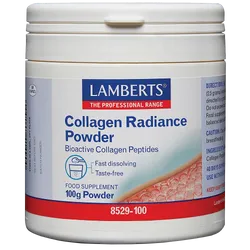
Biotin vs Collagen: Which Is Better for Skin?
Biotin for Skin Health
Biotin contributes to the maintenance of normal skin, making it a relevant nutrient for overall skin health.
However, unless you are deficient, biotin may not lead to noticeable improvement in skin conditions.
Collagen for Skin Health
Collagen is a structural component of the skin, which is why it’s often linked to elasticity and firmness. For example, a 2019 meta-analysis suggested improvements in skin elasticity and hydration.
However, findings like these do not translate into authorised health claims, meaning they should be interpreted cautiously.
Bottom line: Which Is Better for Skin?
We would call it a tie:
Biotin is the more evidence-backed option from a regulatory perspective, as it supports the maintenance of normal skin. However, its effects may be limited for individuals who are not deficient. Collagen, while not officially recognised through authorised claims, has shown promising results in some clinical studies related to skin hydration and elasticity.
Side Effects of Biotin and Collagen
Biotin
- Skin rashes
- Digestive upset
- May interfere with certain lab test results
Collagen
- Mild digestive discomfort
- Feeling of fullness
- Dizziness
- Allergic reactions
- Headaches
Both biotin and collagen supplements are generally considered safe when taken as directed.
Best Food Sources of Biotin & Collagen
Biotin
- Eggs (especially yolks)
- Nuts and seeds
- Whole grains
- Bananas
- Salmon
- Mushrooms
- Avocados
- Meat (especially liver)
- Fish
- Sweet potatoes
Collagen
- Bone broth
- Chicken with skin
- Fish with skin
- Egg whites
- Gelatin
- Foods rich in vitamin C, such as citrus fruits (to support collagen formation)
Biotin vs. Collagen for Hair & Skin — Final Word
Biotin and collagen each serve different purposes, so the best choice depends on your individual needs. Biotin may be more relevant if there is a nutritional deficiency affecting hair or skin, while collagen is often used for general structural support.
Focusing on a balanced diet and overall nutrition remains the most effective way to support healthy hair and skin.
If you're considering adding supplements to your routine, it’s best to focus on evidence-based options and your individual needs. Explore a wide range of trusted supplements to support your overall wellbeing!
FAQs
Can I take collagen and biotin together?
Yes, they can be taken together. At the moment, there is no scientific evidence that taking collagen and biotin together is unsafe. Combining them may offer more complete support for hair and skin health.
Can collagen or biotin cause weight gain?
There is no strong evidence that either biotin or collagen directly causes weight gain.
Published 30th April 2026 by

Allan Green
Registered Pharmacist & Head of E-commerce
Allan has been a Registered Pharmacist for 25+ years
He specializes in Ecommerce and Over the Counter medicines.
He is a Registered Pharmacist, who studied at University of Bradford.
He has been with Weldricks since 2006, starting as a branch manager before moving into area management and deputy superintendent roles.
His current responsibilities include web development, marketing, content, customer service and web operations teams.