What’s the Best Spot Treatment for Acne?
In this guide
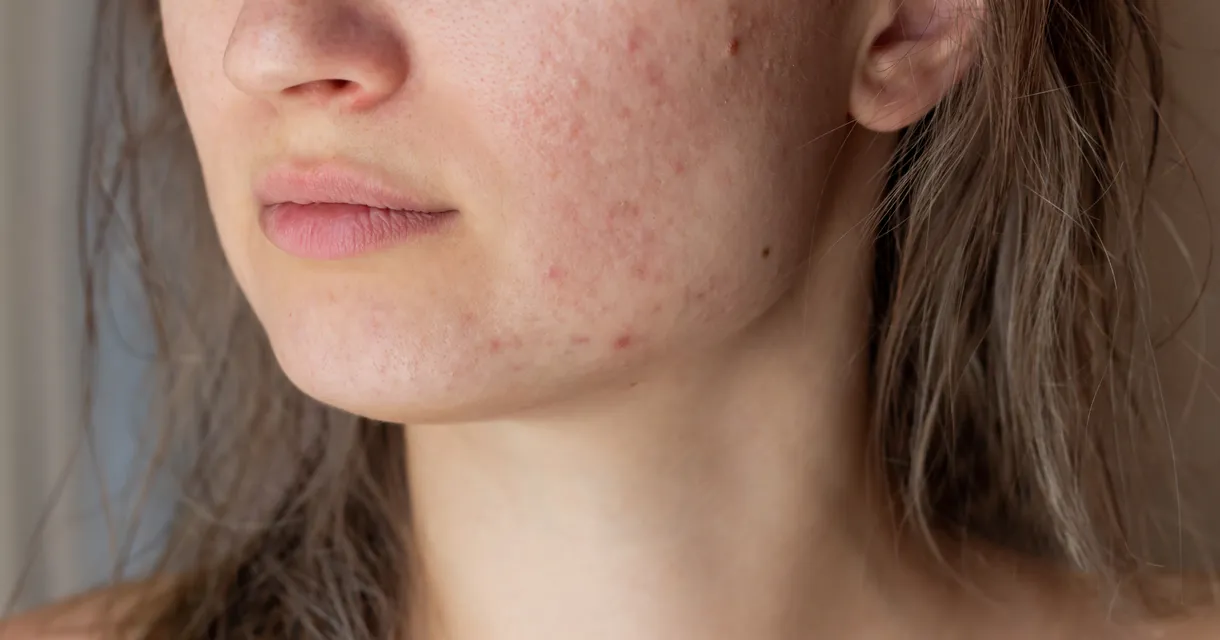
Woke up with an angry red pimple? Dealing with sudden breakouts that seem to appear overnight? Not sure what actually works when you need fast results?
Weldricks is here to help you cut through the confusion! In this guide, we’ll break down what actually works, which ingredients to look for, and how to choose the best spot treatment for acne based on your skin type and needs, so you can treat breakouts effectively and with confidence.
At a Glance
- The most effective spot treatment ingredients include benzoyl peroxide, salicylic acid, azelaic acid, and niacinamide. Hydrocolloid patches are effective as well. They are not active ingredients, but can still support healing by protecting the spot.
- Spot treatments work best on individual pimples, especially when applied early before the breakout becomes more inflamed.
- Choosing the right ingredient depends on your acne type (e.g., inflammatory spots, clogged pores, or sensitive skin).
- Overusing spot treatments can irritate the skin, so it’s important to apply them carefully and in small amounts.
- Consistent use, along with a gentle skincare routine, helps improve results and prevent future breakouts.
What Are the Most Effective Active Ingredients in Spot Treatments?
1. Benzoyl Peroxide
Benzoyl peroxide is one of the most effective and widely recommended ingredients for acne.
It works by:
- Killing acne-causing bacteria (e.g., Cutibacterium acnes)
- Reducing inflammation
- Removing excess oil from the skin
This makes it particularly useful for active, red breakouts that feel inflamed or sore.
It can start working relatively quickly, which is why it’s often used as a fast-acting spot treatment. However, it may also dry out the skin, so it’s important to use it sparingly and follow with a moisturiser.
- Avoid if: You have very sensitive or dry skin, or if your skin barrier is already compromised
- Possible side effects: dry skin, scaling, irritation
- Best for: Inflammatory acne, red, swollen pimples, papules, pustules
2. Salicylic Acid
Salicylic acid is a beta-hydroxy acid (BHA) that penetrates deep into the pores to clear blockages and prevent breakouts.
It works by:
- Exfoliating dead skin cells from inside the pores
- Dissolving excess oil (sebum)
- Helping to unclog pores and reduce blackheads
This makes it especially effective for early-stage spots and congestion before they turn into inflamed pimples. It can also help prevent future breakouts when used regularly.
- Avoid if: You have very dry, sensitive, or peeling skin, or if you’re already using a product with benzoyl peroxide
- Possible side effects: dryness, mild stinging, irritation, skin discolouration
- Best for: Blackheads, whiteheads, clogged pores, sebaceous filaments, mild acne
3. Azelaic Acid
Azelaic acid is a multi-functional ingredient known for its anti-inflammatory and antibacterial properties. It’s also widely used for improving skin tone and reducing post-acne marks.
It works by:
- Reducing inflammation and redness
- Targeting acne-causing bacteria
- Getting rid of dead skin
This makes it a great option for those dealing with both active acne and lingering marks. It is generally gentler than stronger ingredients, making it suitable for sensitive skin types.
- Avoid if: You have highly reactive skin without patch testing first
- Possible side effects: mild tingling or burning, dryness, redness, itchiness
- Best for: Acne marks, redness, sensitive skin, post-acne pigmentation
4. Hydrocolloid (Pimple Patches)
Hydrocolloid patches don’t contain active ingredients. Instead, they act as a type of medical dressing that helps acne spots heal.
It works by:
- Absorbing fluid (pus and oil) from the spot
- Creating a moist healing environment
- Protecting the area from bacteria and picking
These patches are particularly useful for visible whiteheads and can help reduce the risk of scarring by preventing touching or squeezing.
- Avoid if: You’re dealing with deep, cystic acne
- Possible side effects: Minimal, occasional mild irritation
- Best for: Whiteheads, surface-level pimples, preventing picking
5. Niacinamide
Niacinamide (vitamin B3) is a gentle, skin-supporting ingredient that helps regulate oil production and calm inflammation.
It works by:
- Reducing excess sebum production
- Calming redness and irritation
- Supporting the skin barrier
While it’s not a fast-acting “drying” treatment, it plays an important role in improving overall skin balance and preventing future acne breakouts.
- Avoid if: You have extremely sensitive skin or react easily to new products (patch testing is recommended)
- Possible side effects: Mild redness or irritation (rare)
- Best for: Oily skin, redness, sensitive skin, long-term acne management
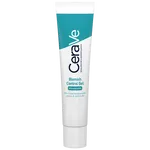
If you're unsure what’s triggering your acne in the first place, it’s helpful to understand what causes acne so you can choose the most effective treatment for your skin!
Types of Spot Treatments: What Are Your Options?
Spot treatments come in different formats, and choosing the right one can make a big difference depending on your skin type and the type of acne you’re dealing with:
- Creams and gels: The most common type, easy to apply and ideal for targeted treatment
- Patches (hydrocolloid): Best for protecting and healing visible whiteheads
- Serums: Lightweight formulas that may combine multiple active ingredients
- Roll-ons or pens: Convenient for precise application on individual spots
- Drying lotions: Often used overnight to reduce inflammation and oil
When to Use Spot Treatment
Spot treatments are most effective when used correctly. You should use them:
- As soon as you notice a pimple forming
- On isolated spots (one pimple at a time) rather than the entire face
- When you wake up with an inflamed, red bump
- When dealing with occasional acne rather than chronic severe acne
- To reduce inflammation and redness quickly
Read also: Tried Everything for Acne? Acne Treatments That Make a Difference.
How to Apply Spot Treatments
To get the best results without irritating your skin:
- Cleanse your face gently before applying.
- Apply a small amount directly onto the spot.
- Avoid over-applying (more is not better).
- Allow it to absorb before moisturising.
- Use once or twice daily, depending on the product.
- Always follow with sunscreen during the day.
Best Spot Treatments for Acne — Conclusion
The best spot treatment for acne depends on your skin type, the type of acne you’re dealing with, and the active ingredients used.
While these treatments can help reduce individual spots quickly, they work best as part of a broader skincare routine.
For ongoing acne concerns, explore Weldricks’ full range of trusted acne treatment products to support clearer, healthier skin!
FAQs
What spot treatment is best for cystic acne?
For cystic acne, benzoyl peroxide or hydrocolloid patches are often more effective.
Should I use spot treatment before or after moisturiser?
Spot treatments should generally be applied before moisturiser on clean skin to ensure maximum penetration of active ingredients.
Can I use spot treatment every day?
Yes, but it depends on the ingredient and the sensitivity of your skin. Always make sure you apply directly to active blemishes. If you feel your skin is dry or irritated, take a break.
Is it okay to squeeze a spot before applying treatment?
It’s best to avoid picking or squeezing spots, as this can worsen inflammation, spread bacteria, and increase the risk of scarring.
Published 8th June 2026 by

Allan Green
Registered Pharmacist & Head of E-commerce
Allan has been a Registered Pharmacist for 25+ years
He specializes in Ecommerce and Over the Counter medicines.
He is a Registered Pharmacist, who studied at University of Bradford.
He has been with Weldricks since 2006, starting as a branch manager before moving into area management and deputy superintendent roles.
His current responsibilities include web development, marketing, content, customer service and web operations teams.