How To Get Rid of Dandruff: Treatment Options That Actually Work!
In this guide

Dandruff is a very common scalp condition that affects people of all ages. While it’s not harmful, it can be uncomfortable, itchy, and frustrating, especially when flakes keep coming back.
The good news? With the right treatment routine and products, dandruff can usually be managed effectively.
Below, you’ll learn its main causes, its symptoms, and how to get rid of dandruff, so keep reading!
What Causes Dandruff?
Dandruff usually develops when the scalp becomes irritated, inflamed, or out of balance. Common causes include:
- Overgrowth of yeast (Malassezia) on the scalp
- Oily (seborrhoeic) skin
- Dry scalp (especially in cold or dry weather)
- Skin conditions such as eczema (discover effective eczema treatments) or psoriasis (learn all about psoriasis in our guide)
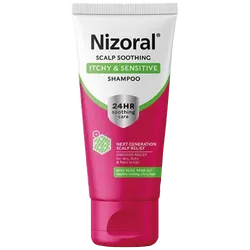
- Sensitivity to hair products (take a look at the best shampoos for sensitive scalps)
- Infrequent shampooing, allowing dead skin to build up
- Stress, which can worsen inflammatory skin conditions
- Hormonal changes
- Cold weather and low sunlight exposure
Symptoms of Dandruff
Common dandruff symptoms include:
- White or yellow flakes on the scalp, hair, shoulders, or clothing
- Itchy scalp
- Tight or dry scalp feeling
- Oily patches with flaking
- Redness or irritation
- Crusty scalp (mostly in infants — also known as “cradle cap”)
Dandruff Treatment: What Actually Works?
Usually, dandruff (especially mild cases) can be treated at home. Let’s see how you can get rid of dandruff by yourself:
1. Anti-Dandruff Shampoos
Medicated anti-dandruff shampoos are usually the most effective way to treat dandruff, especially when yeast or inflammation is involved.
Certain ingredients found in anti-dandruff shampoos help kill or slow the fungus, reduce excess oil production, and slow down the rapid turnover of skin cells, preventing the buildup of flakes on the scalp.
These are the key ingredients to look for:
- Ketoconazole (kills Malassezia fungus)
- Zinc pyrithione (reduces fungus)
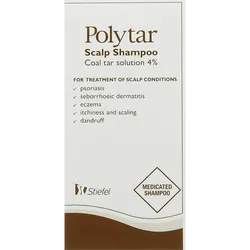
- Coal tar (slows down skin cell turnover)
- Salicylic acid (breaks down dead skin cells)
- Selenium sulphide (slows down skin cell turnover)
Pharmacist tip: Use the shampoo 2-3 times a week for a month and see how it goes. If your dandruff doesn’t get any better, you may have to switch to a different type of shampoo or see your GP. Also, if your shampoo causes itching or burning, stop using it and contact your doctor or pharmacist.
The best anti-dandruff shampoos from Weldricks Pharmacy
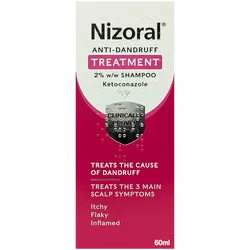
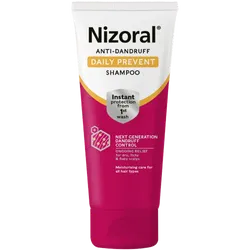
1. Nizoral Anti-Dandruff Shampoo (100ml)
Contains 2% ketoconazole, one of the most effective antifungal ingredients for dandruff. It reduces yeast on the scalp and helps relieve redness and itching.
Best for: Persistent or severe dandruff cases.
2. Neutrogena T/Gel Anti-Dandruff Scalp Relief Shampoo (250ml)
Uses salicylic acid and piroctone olamine as active ingredients, which exfoliate the scalp and effectively control fungal growth. Its formula works to reduce flaking and calm itching.
Best for: Dandruff associated with seborrhoeic dermatitis or scalp psoriasis.
3. Dermax Therapeutic Shampoo (250ml)
The active ingredient of Dermax Therapeutic Shampoo is benzalkonium chloride (0.5%), which is an antimicrobial and also lifts and washes away scale. It helps relieve itching, redness, and flaking. It also contains coconut oil, which works to condition and moisturise the scalp.
Best for: Mild to moderate dandruff, itchy or sensitive scalps.
2. Lifestyle & Home Remedies for Dandruff
Lifestyle changes won’t replace medical treatments, but they can support scalp health and reduce flare-ups. Here are some useful tips to prevent or manage dandruff on your own:
- Manage stress: Do yoga, meditation, or try effective stress relief supplements.
- Hydrate properly: Drink plenty of water, as dehydration can lead to a dry scalp.
- Eat a healthy diet: Limit sugary and ultra-processed foods, which can increase sebum production and worsen inflammation.
- Avoid harsh hair products: Gels, sprays, and fragranced products can irritate the scalp.
- Wash hair regularly: Keep your scalp clean by shampooing frequently, which helps break down excess sebum (an oily substance) and prevent the buildup of dead skin cells. If you have an oily scalp, even daily washing is recommended.
- Limit hot water: Hot showers can dry and irritate the scalp.
When to See a GP
You should seek professional advice if:
- Dandruff does not improve (or it gets worse) after using an anti-dandruff shampoo for a month.
- Your scalp becomes very itchy.
- Your scalp becomes red or swollen.
- Flaking spreads beyond the scalp.
The Best Treatment for Dandruff — Final Thoughts
Dandruff can be persistent, but it’s usually manageable with the right combination of effective anti-dandruff shampoos, proper scalp care routine, and lifestyle changes, such as stress management or a healthy diet.
Explore Weldricks’ full range of trusted anti-dandruff solutions designed to soothe the scalp, alleviate symptoms, and promote overall scalp and hair health!
FAQs
What foods trigger or make dandruff worse?
There’s no direct cause, but diets high in sugar or ultra-processed foods (soda, candy, white bread, pastries, sugary cereals, etc.) may make inflammation worse.
What is commonly mistaken for dandruff?
Several skin conditions or hair care issues may be mistaken for dandruff, as they all cause similar symptoms.
Some of these conditions include:
- Eczema
- Psoriasis
- Head lice
- Contact dermatitis
- Tinea Capitis
- Seborrhoeic dermatitis
Does dandruff ever go away?
Dandruff is a chronic condition that doesn’t go away permanently, but it can be effectively managed with the right treatment.
What vitamin deficiency causes dandruff?
There’s no sign that low levels of certain vitamins can cause dandruff. However, low levels of the following vitamins and minerals may affect overall scalp and skin health:
- Vitamin D
- Biotin (vitamin B7)
- Folate (vitamin B9)
- Vitamin C
- Iron
- Zinc
Read more: What Vitamin Deficiency May Cause Hair Loss?
Published 12th March 2026 by

Allan Green
Registered Pharmacist & Head of E-commerce
Allan has been a Registered Pharmacist for 25+ years
He specializes in Ecommerce and Over the Counter medicines.
He is a Registered Pharmacist, who studied at University of Bradford.
He has been with Weldricks since 2006, starting as a branch manager before moving into area management and deputy superintendent roles.
His current responsibilities include web development, marketing, content, customer service and web operations teams.