What Are the Best Supplements for Stress Relief?
In this guide

Stress affects how we think, feel and function every day.
While lifestyle changes, better sleep, and emotional support can make a huge difference, certain nutrients (like vitamins and minerals) can also help you with everyday anxiety.
This guide is here to help you learn what the best supplements for stress relief are, while also sharing useful stress management strategies.
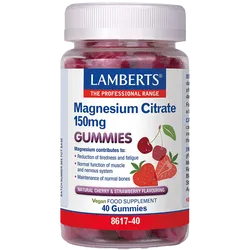
1. Magnesium
Magnesium may have a beneficial effect on mild anxiety by regulating serotonin and helping the brain function better.
Low intake is surprisingly common. Magnesium deficiency can also cause other problems, such as:
-
Muscle spasms, cramps, or tremors
-
Fatigue
-
Numbness
-
Headaches
-
Sleep disturbances
How to get more magnesium
-
Eat a diet rich in legumes (black beans, chickpeas), nuts and seeds (almonds, cashews, chia seeds), whole grains (wheat bread, brown rice), fruits (bananas, avocados), and leafy greens (spinach, collard greens).
Get quality magnesium supplements. But before you do so, check Weldricks’ guide on magnesium supplements and speak with your GP to ensure the correct dosage.
2. Vitamin B6
Vitamin B6 contributes to normal psychological function and normal nervous system function.
Research shows that vitamin B6 can help relieve symptoms of depression and anxiety.
How vitamin B6 may help with stress
Vitamin B6 has:
-
A significant modulatory impact on central serotonin production. Serotonin is known as the “feel-good” hormone.
-
A significant impact on gamma-aminobutyric acid (GABA) production. GABA is a neurotransmitter known to calm the nervous system.
How to get more vitamin B6
-
Eat a diet rich in poultry (chicken, turkey), fish (tuna, salmon), vegetables (potatoes), fruits (bananas and other non-citrus fruits), legumes (chickpeas, beans, lentils), and meats like beef and pork.
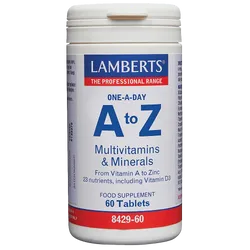
You can also take supplements containing vitamin B6 in the form of tablets or capsules. But consult your GP first.
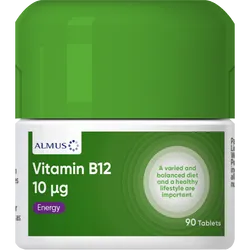
3. Vitamin B12
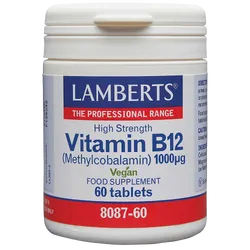
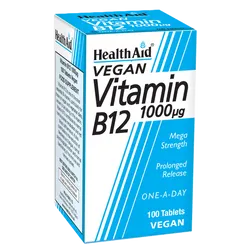
According to the NHS, B12 deficiency can cause psychological problems, such as anxiety or mild depression.
Adequate B12 levels can help reduce fatigue, support the normal functioning of the nervous system, and cognitive well-being.
How to get more vitamin B12
-
Eat a balanced and healthy diet rich in meat (beef, liver), fish (salmon, tuna, sardines), eggs, dairy products (milk, cheese, yoghurt), fortified cereals, etc.
Consider taking vitamin B12 supplements after speaking to your GP.
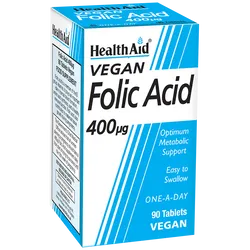
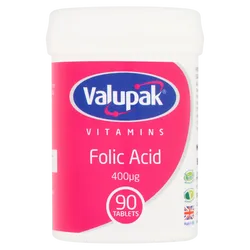
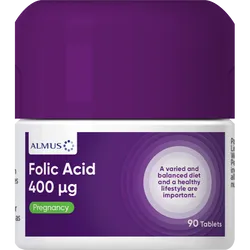
4. Folate / Folic Acid (Vitamin B9)
Research supports that high intakes of folic acid and vitamins may reduce the risk of depressive disorders.
Folate (or vitamin B9) participates in the production of neurotransmitters such as serotonin or dopamine, which help regulate mood.
How to get more folic acid/folate
-
Your diet should include citrus fruits (oranges, bananas, papayas), dark leafy greens (kale, spinach, broccoli), legumes (beans, peas, lentils), and fortified foods (breakfast cereals, pastas).
Folic acid supplements are also an option in case of folate deficiency. Consult your GP or pharmacist before starting folate supplementation.
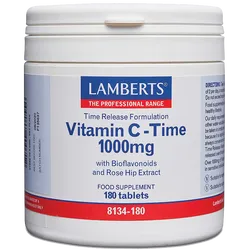
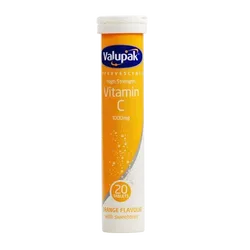
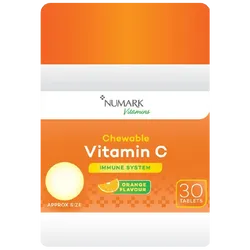
5. Vitamin C
Studies have found that the antioxidant properties of vitamin C can prevent the buildup of cortisol, which is widely known as the “stress hormone”.
It also effectively supports the immune system, which can have a positive impact on mental health.
See our guide on vitamin C health benefits to learn more.
How to get more vitamin C
-
Eat a diet rich in citrus fruits (bananas, oranges, grapefruits), berries (strawberries, blueberries), and vegetables (broccoli, cauliflower, tomatoes, potatoes, cauliflower).
Vitamin C supplements are recommended in case of deficiency, but first consult your GP or pharmacist to ensure safe use.
Herbal Supplements Traditionally Used for Stress Relief
Herbal remedies have been used for centuries to reduce stress and promote a sense of relaxation, and many people still use them for this purpose.
However, they do not carry an authorised UK health claim, which means that they can’t be described as “stress relief supplements”.
The options below are shared for general information only. Always speak with your GP or pharmacist before trying any herbal supplement.
The most common herbal supplements traditionally used for stress relief include:
-
Ashwagandha
-
L-Theanine
-
Valerian root
-
Rhodiola rosea
-
Chamomile extract
-
Lemon balm
Best Supplements for Stress Relief — Final Words
Stress affects everyone in a different way, and the right combination of nutrients (vitamins, minerals), healthy habits, and support can make anxiety more manageable.
If you’re looking to boost your mental and physical health, explore Weldricks’ essential supplements to find what you need!
FAQs
Can supplements replace therapy or lifestyle changes?
No. Supplements may offer support for stress symptoms, but they shouldn’t be used as the only way to manage anxiety.
They are supposed to be a complementary part of a complete management stress plan, which includes lifestyle changes (better sleep, balanced diet, regular exercise, etc.) and professional support (when needed).
Can over-supplementing make stress worse?
Yes. Taking too much of certain nutrients (e.g., B6) may overstimulate the nervous system and disrupt neurotransmitter balance, leading to anxiety-related symptoms.
Published 15th December 2025 by
Allan Green
Registered Pharmacist & Head of E-commerce
Allan has been a Registered Pharmacist for 25+ years
He specializes in Ecommerce and Over the Counter medicines.
He is a Registered Pharmacist, who studied at University of Bradford.
He has been with Weldricks since 2006, starting as a branch manager before moving into area management and deputy superintendent roles.
His current responsibilities include web development, marketing, content, customer service and web operations teams.
Related Products
-
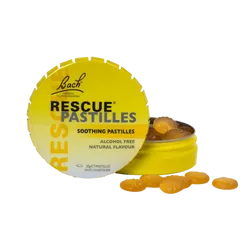
Rescue Soothing Pastilles Orange & Elderflower 50g £5.49 save £2.46
-
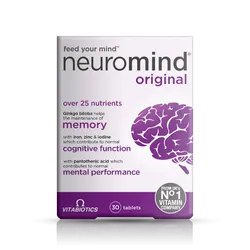
Neuromind Original Tablets Pack of 30 £9.98 save £1.97
-
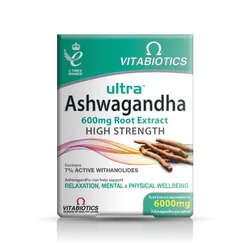
Vitabiotics Ultra Ashwagandha Tablets Pack of 30 £10.98 -
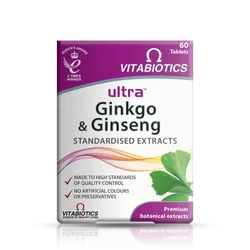
Vitabiotics Ultra Ginkgo & Ginseng Tablets Pack of 60 £6.29 save £3.66
-
Lamberts L-Theanine & Lemon Balm Complex Capsules Pack of 60 £14.29 save £5.66
-
Lamberts L-Theanine 200mg Capsules Pack of 60 £11.79 save £4.71