What Is Seasonal Affective Disorder? [Causes, Symptoms, Treatments]
In this guide
![What Is Seasonal Affective Disorder? [Causes, Symptoms, Treatments]](https://d2i5j94z9qxt5a.cloudfront.net/eyJidWNrZXQiOiJ3ZWxkcmlja3MtY2RuIiwia2V5IjoiZ3VpZGVzLzQ5Ni9ZeFRoR3U3aEJRSjRuc3RpalVEVmRrYzNEYlN3a1dzNjlPako5MDc2LmpwZyIsImVkaXRzIjp7InJlc2l6ZSI6eyJ3aWR0aCI6MTIyMCwiaGVpZ2h0Ijo2NDAsImZpdCI6ImNvdmVyIiwiYmFja2dyb3VuZCI6eyJyIjoyNTUsImciOjI1NSwiYiI6MjU1LCJhbHBoYSI6MH19LCJ3ZWJwIjp7InF1YWxpdHkiOjgwfX19)
Seasonal Affective Disorder (SAD) is a form of depression that occurs during certain seasons of the year (major depressive disorder with seasonal pattern). It most commonly appears in autumn and winter, but sometimes it can also occur in spring or summer.
It affects mood, energy, motivation and daily functioning, and can impact quality of life.
Understanding what causes SAD, its symptoms, and how it can be treated is essential for early support and better outcomes.
Key Takeaways
- Seasonal Affective Disorder (SAD) is a form of depression that appears during specific seasons, most commonly autumn and winter.
- Most common symptoms include low mood, low energy, sleep issues, anxiety, feelings of hopelessness, and more.
- Although the exact cause is unknown, SAD is linked to reduced daylight, which may have a significant impact on your circadian rhythm, decrease serotonin levels, and increase melatonin levels.
- Treatments include light therapy, Cognitive Behavioural Therapy (CBT), and antidepressants, depending on symptom severity.
- Lifestyle habits such as regular daylight exposure, exercise, regular contact with family and friends, consistent sleep routines, and stress management can help prevent or improve SAD symptoms.
How Common Is Season Affective Disorder? [Official Stats]
- About 5% of adults in the United States experience seasonal affective disorder or seasonal depression, according to the American Psychiatric Association.
- According to Medline Plus, SAD occurs in 0.5%-3% of individuals in the general population. It also affects 10%-20% of people with major depressive disorder and about 25% of people with bipolar disorder.
- It’s estimated that around 2 million people in the UK and 12 million people across northern Europe experience SAD every year.
Types of SAD
There are two main subtypes of seasonal depression:
- Winter SAD or winter depression (most common): Symptoms usually appear in late autumn or early winter and last all winter.
- Summer SAD or summer depression (less common): Symptoms usually appear in late spring or early summer and last all summer.
What Causes Seasonal Affective Disorder?
Researchers do not yet know the exact cause of SAD. However, it’s thought to be linked to reduced levels of daylight (in winter).
But what do daylight changes cause?
1. Disrupted Circadian Rhythm
Lower sunlight during fall and winter may disrupt your circadian rhythm (your body’s internal clock), which regulates sleep, mood, and hormones.
Your circadian rhythm may also be affected by increased daylight levels, heat, and humidity (during summer).
2. Drop in Serotonin Levels
Reduced sunlight can also cause a drop in serotonin levels. Serotonin (also called the “happiness hormone”) is a brain chemical which functions as both a neurotransmitter and a hormone.
Serotonin is responsible for regulating mood. So, a drop in its levels may lead to SAD.
3. Overproduction of Melatonin
Less daylight can also lead to overproduction of melatonin. Melatonin is a hormone your brain produces at night (or when it’s dark), helping your body relax and go to sleep.
If you have trouble sleeping, here are some tips to help you sleep better!
What is Seasonal Affective Disorder? (SAD) (embed the video)
Risk Factors for SAD
You may be at higher risk if:
- You have a family history of SAD
- You have major depression or bipolar disorder
- You live far from the equator (due to decreased sunlight during winter)
What Are the Most Common Symptoms of SAD?
- Low mood
- Tiredness and low energy
- Trouble concentrating
- Increased sleep and daytime drowsiness
- Reduced interest or pleasure in daily activities
- Anxiety
- Feelings of guilt and hopelessness
- Carbohydrate cravings
- Weight gain
- Reduced sex drive
- Social withdrawal
- Thoughts of suicide or self-harm
People who have summer SAD may experience:
- Restlessness
- Decreased appetite and weight loss
- Violent behaviour
- Sleeping problems (sleeping too much or too little)
How Is SAD Diagnosed?
A GP or mental health professional may:
- Review your symptoms, ask you how long they’ve lasted and when they appear
- Take a detailed medical and mental health history
- Rule out other conditions that may cause similar symptoms (e.g., thyroid issues)
Diagnosis of SAD usually requires symptoms to be present for at least 2 consecutive years during the same season of the year.
What’s the Treatment for SAD?
Main treatments for seasonal affective disorder include:
- Light therapy (phototherapy)
- Psychotherapy (especially Cognitive Behavioural Therapy)
- Antidepressants
Let’s explore them more thoroughly:
1. Light Therapy (Phototherapy)
Light therapy or phototherapy is considered one of the first-line treatments for SAD.
Light therapy involves using a bright light (SAD lamp or light box) which mimics natural daylight. Using SAD lamps may help regulate serotonin and improve symptoms.
Who should NOT use light therapy?
Light therapy is generally safe, but you should avoid it if you:
- Have bipolar disorder (it may trigger hypomania or mania)
- Have diabetes or retinopathy (increased risk of retina damage)
- Take photosensitising medications, such as certain antibiotics and anti-inflammatories (increased risk of light sensitivity)
Possible side effects of light therapy
- Eye strain
- Headaches (by the way, learn here how to get rid of a headache)
- Irritability
- Fatigue
- Problems with sleep
- Nausea
How to use SAD lamps effectively [Expert tips] (box structure)
- Make sure the light is bright enough (at least 10,000 lux).
- Use the lamp throughout the entire winter.
- The morning is considered the best time of the day to use a SAD lamp.
- Don’t look directly into the light. Your exposure to the light should be indirect.
The NHS notes that SAD lamps are not available through NHS services because current evidence is not strong enough to confirm their effectiveness. However, many people report that using them helps ease their symptoms.
2. Cognitive Behavioural Therapy (CBT)
Cognitive behavioural therapy is a type of talk therapy which can help SAD patients identify the things that cause them stress and develop healthy coping strategies.
CBT can also help them change the distorted views they may have of themselves.
For professional mental health support, find NHS talking therapies for anxiety and depression to help you feel better and regain balance.
3. Antidepressant medication
Selective Serotonin Reuptake Inhibitors (SSRIs) are medications that boost serotonin levels in the body.
This way, they can improve SAD symptoms, such as low mood, anxiety, low energy, irritability, etc.
Medication should always be given under GP supervision.
How to Prevent Seasonal Affective Disorder (or Help my Symptoms)?
- Expose yourself to natural daylight.
- Get regular exercise.
- See friends and family.
- Try to go to bed and wake up at the same time every day.
- Continue doing things you enjoy (e.g., go to a movie, go out with friends, etc.).
- Eat a healthy, well-balanced diet.
- Manage stress effectively.
- Don’t drink too much alcohol or use illegal drugs (they can worsen symptoms or even interact negatively with antidepressants).
- Consider vitamin D supplements if a deficiency is suspected. Some studies have explored a link between low vitamin D and depressive symptoms, but results are mixed. Always consult a GP before supplementation.
Read also: The Surprising Benefits of Vitamin D.
What Is Seasonal Affective Disorder — Summary
Seasonal Affective Disorder is a common yet treatable condition. With early recognition and the right combination of light therapy, psychotherapy, medication, and lifestyle changes, most people experience significant relief.
For additional support in managing stress-related symptoms, explore our guide to the best supplements for stress relief.
FAQs
How long does SAD last?
SAD symptoms typically last for about 4-5 months. They usually start in late autumn and start improving in spring.
What vitamins are good for seasonal depression?
Vitamin B12 contributes to normal psychological function. This means that taking vitamin B12 supplements or eating foods rich in vitamin B12 may help improve your SAD symptoms. Always speak with a GP before using supplements.
Is SAD more common in certain countries?
Yes. Prevalence increases in countries with limited winter daylight such as the UK, Iceland, Norway and Canada.
Published 9th March 2026 by
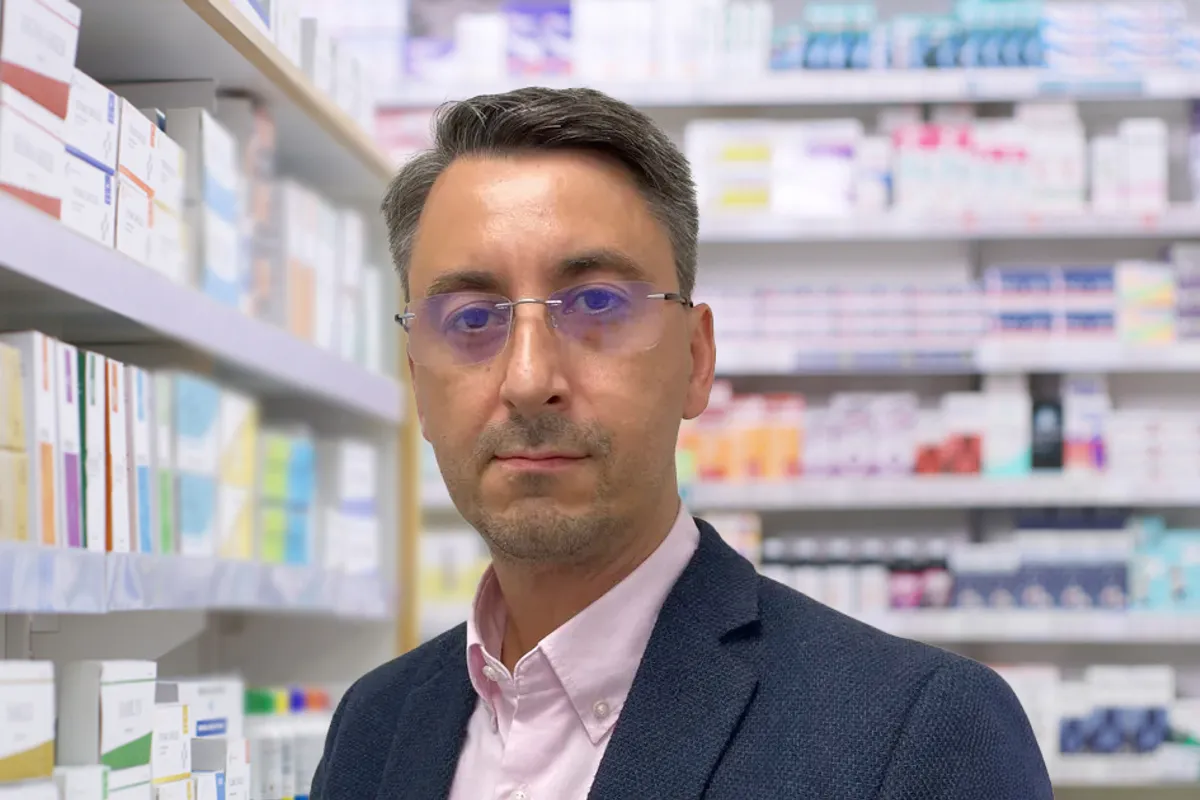
Allan Green
Registered Pharmacist & Head of E-commerce
Allan has been a Registered Pharmacist for 25+ years
He specializes in Ecommerce and Over the Counter medicines.
He is a Registered Pharmacist, who studied at University of Bradford.
He has been with Weldricks since 2006, starting as a branch manager before moving into area management and deputy superintendent roles.
His current responsibilities include web development, marketing, content, customer service and web operations teams.