Common Cold: Symptoms, Treatments & Prevention [Full Guide]
In this guide
![Common Cold: Symptoms, Treatments & Prevention [Full Guide]](https://d2i5j94z9qxt5a.cloudfront.net/eyJidWNrZXQiOiJ3ZWxkcmlja3MtY2RuIiwia2V5IjoiZ3VpZGVzLzQ2OC9haExxZTNlSHA0OXVWTjk0cTc4aEplN2dwajNvZU1SbEFjdUZpUGRlLmpwZyIsImVkaXRzIjp7InJlc2l6ZSI6eyJ3aWR0aCI6MTIyMCwiaGVpZ2h0Ijo2NDAsImZpdCI6ImNvdmVyIiwiYmFja2dyb3VuZCI6eyJyIjoyNTUsImciOjI1NSwiYiI6MjU1LCJhbHBoYSI6MH19LCJ3ZWJwIjp7InF1YWxpdHkiOjgwfX19)
The common cold is an infection of your nose, sinuses, throat, and windpipe. It can get serious, although usually you don’t need medical care.
This useful guide explains what the common cold is, the serious cold symptoms to look out for (and symptoms in general), how to manage them safely and when it’s time to get medical advice (for both adults and children).
Facts about the Common Cold [Overview]
According to the American Lung Association:
-
The common cold is a minor viral infection of the nose and throat (upper respiratory tract).
-
It is caused mainly by rhinoviruses.
-
A cold usually lasts for about a week, although sometimes it may last longer.
-
Adults experience 2-3 colds per year; children get more colds per year than adults.
-
Colds are highly contagious and most often spread through droplets of fluid from an infected person sneezing or coughing.
What Is the Common Cold?
The common cold is an upper respiratory infection that affects the nose, throat, sinuses, and windpipe. Many viruses can cause it, but rhinoviruses are the most common.
Although most infections remain mild, some people experience more severe symptoms or complications, especially older adults, young children, and people with underlying health conditions.
What are the Most Common Symptoms of a Cold [Mild & Severe]?
Common cold symptoms vary widely, ranging from mild to more severe ones.
Let’s take a look at the most common signs, depending on their severity:
Mild Cold Symptoms
-
Runny or stuffy nose
-
Sneezing
-
Cough
-
Sore throat
-
Hoarseness
-
Mild tiredness
-
Slight body aches
Severe Cold Symptoms
-
Intense headache
-
High fever (>38.5°C)
-
Aching muscles
-
Confusion
-
Intense sore throat
-
Shortness of breath
-
Chest discomfort
-
Extreme tiredness
-
Cough with coloured mucus
What Are the Symptoms of the Common Cold in Kids?
Mild Symptoms
-
Runny nose
-
Cough
-
Sore throat
-
Sneezing
-
Loss of appetite
-
Low-grade fever (up to 38°C)
Severe Symptoms
-
Rapid breathing or shortness of breath
-
Extreme fatigue
-
Painful cough
-
High fever (above 39°C)
-
Irritability
-
Pain (headaches, facial, throat, chest, or stomach pain)
What are the Early Signs of Pneumonia?
Sometimes a common cold can develop into pneumonia.
Let’s take a look at some early signs that you should look out for:
-
Cough producing greenish, yellow, or bloody mucus
-
Persistent high fever (along with chills and sweating)
-
Confusion
-
Rapid breathing or shortness of breath
-
Loss of appetite
-
Sharp chest pain
-
Headaches
-
Nausea
-
Fatigue and weakness
When to Go to the Doctor for a Cold
For Adults
Seek medical help (see a GP or call 111) if you experience:
-
Symptoms that get worse
-
Symptoms lasting more than 10 days
-
Fever greater than 38.5°C that lasts for more than 3 days in a row
-
Shortness of breath
-
Wheezing
-
Intense sore throat
-
Intense headache
-
Severe sinus pain
-
Persistent cough lasting more than 3 weeks
For Children
Get medical care right away if your child experiences any of the following:
-
Symptoms lasting more than 10 days
-
Fever greater than 38°C (mainly in newborns up to 12 weeks)
-
Ear pain
-
Vomiting
-
Refusal to drink
-
Trouble with breathing or wheezing
-
Confusion
-
Lethargy
-
Loss of appetite
-
Blue lips or skin
Red Flag Symptoms: When to Seek Urgent Medical Help (999 / A&E)
You should seek urgent help if you or your child experiences any of the following:
-
Severe difficulty breathing or struggling to catch breath
-
Sudden confusion, drowsiness
-
Cough with blood
-
A seizure occurs (in children or adults)
-
Inability to wake a child or absence of breathing
What are the Main Causes of the Common Cold?
The most common cause of colds is rhinoviruses.
Other types of viruses that can cause a common cold include:
-
Parainfluenza viruses
-
Adenoviruses
-
Enteroviruses
-
Human metapneumoviruses
-
Human coronaviruses
How Does a Common Cold Spread?
-
Droplets in the air when someone infected talks, sneezes, or coughs.
-
Touching an infected person, and then touching your face.
-
Touching an object or surface (doorknobs, tables, etc.) with droplets on it (and then touching your face).
Common Cold Treatment Strategies: How to Treat a Cold?
Most colds go away on their own within 7-10 days, but the right approach can ease discomfort, relieve symptoms, and support recovery.
Below are the most effective common cold treatment strategies, each explained clearly so you can choose what’s right for you or your child.
1. Get Plenty of Rest
Adequate rest helps your body recover. Take frequent breaks, avoid strenuous exercise, and allow yourself periods of complete downtime.
2. Drink Lots of Fluids
Make sure you drink:
-
Plenty of water
-
Orange juice
-
Warm lemon water
Make sure you also avoid alcohol and caffeine, which can worsen dehydration.
3. Help your Sore Throat with Soothing Warm Drinks (or Over-the-Counter Treatments)
Warm drinks such as lemon water or salt water can soothe your sore throat and also help with hydration.
You can also use over-the-counter treatments such as Ultra Chloraseptic Anaesthetic Throat Spray, which contains benzocaine to soothe your throat.
For persistent sore throats, Weldricks now offers a drop-in sore throat treatment and advice service, which is a free NHS service for individuals exempt from prescription charges.
4. Use Saline Nasal Sprays
Saline sprays can clear excess mucus and ease a runny or stuffy nose. They’re suitable for most people, including children, and help reduce congestion.
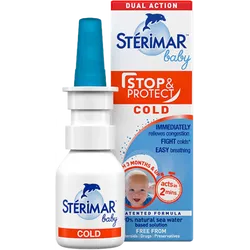
Sterimar Stop & Protect Cold and Sinus Relief Nasal Spray, made with natural seawater, is great for relieving cold symptoms, while helping neutralise viruses.
5. Inhale Steam
Put your head above a bowl of hot water and breathe deeply.
This will help clear the mucus, let you blow your nose and breathe better.
Be careful: Steam inhalation is not advisable for children due to the risk of scalding.
6. Get Cold Medicine
Over-the-counter common cold medications that can treat your symptoms include:
-
Painkillers: Paracetamol, ibuprofen or aspirin can help reduce fever and pain. But remember: Aspirin cannot be given to anyone under the age of 16.
-
Decongestants: Use oral decongestants to reduce the swelling in the nasal passages and breathe more easily. Be careful: You should not use oral decongestants if you have high blood pressure!
-
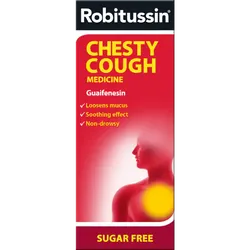
Cough medicine: Expectorants such as Robitussin Chesty Cough will tackle stubborn chesty coughs and clear your chest. They will also make your cough productive and less frequent.
How to Prevent the Common Cold
Avoiding every virus is impossible, but there are some things you can do to reduce your chance of catching a cold:
-
Wash your hands regularly with soap and warm water.
-
Do not touch your face, as viruses easily enter your body through the eyes, nose, and mouth.
-
Avoid close contact with infected individuals.
-
Do not share items such as towels or cups with someone who has a cold.
-
Stay fit and healthy. Have balanced meals, stay hydrated, sleep well and exercise regularly.
Conclusion
A cold is usually mild, but understanding serious cold symptoms helps you act early if something feels wrong and needs to be tackled promptly.
This guide provides clear information about the common cold, its symptoms in adults and children, and the practical steps you can take to manage it safely at home or seek help when needed.
Looking for reliable symptom relief? Explore Weldricks’ range of cold medicine and get back to your routine sooner!
FAQs
Can a common cold get worse?
Yes. Most colds stay mild, but in some cases they can progress into sinus infections, chest infections, or rarely pneumonia. Worsening symptoms such as severe cough, high temperature, or difficulty breathing require medical advice.
How long does a cold last?
Most colds go away within 7-10 days.
How quickly do symptoms of a cold appear?
Cold symptoms usually appear within 1-3 days of picking up a cold virus.
Does Vitamin C help with a cold?
Research shows that vitamin C can’t prevent a cold. But it can support your general health and may help reduce the duration of symptoms.
Explore our range of vitamin C supplements to find what suits your needs!
What’s the difference between a common cold and the flu?
-
Common cold: Symptoms are usually mild and appear within 1-3 days, mainly affecting the nose and throat.
-
The flu: Symptoms are more intense and appear suddenly (within a few hours), affecting the whole body.
For more useful information, read our cold vs. flu guide!
Published 15th December 2025 by

Allan Green
Registered Pharmacist & Head of E-commerce
Allan has been a Registered Pharmacist for 25+ years
He specializes in Ecommerce and Over the Counter medicines.
He is a Registered Pharmacist, who studied at University of Bradford.
He has been with Weldricks since 2006, starting as a branch manager before moving into area management and deputy superintendent roles.
His current responsibilities include web development, marketing, content, customer service and web operations teams.
Related Products
-
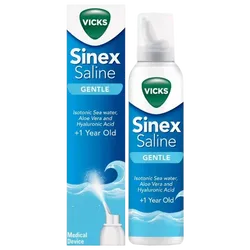
Vicks Sinex Saline Gentle Nasal Spray 120ml £7.09 save £1.41
-
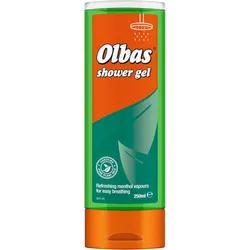
Olbas Shower Gel 250ml £2.59 save £0.90
-
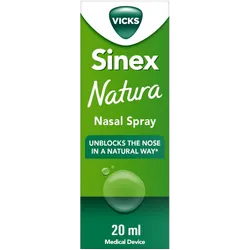
Vicks Sinex Natura Nasal Spray 20ml £4.29 save £2.21
-
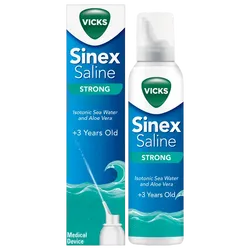
Vicks Sinex Saline Strong Nasal Spray 120ml £7.29 save £1.21
-
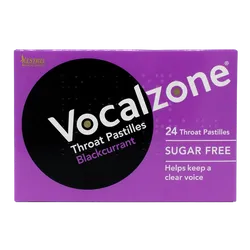
Vocalzone Blackcurrant Sugar Free Pastilles Pack of 24 £4.50 save £1.49
-
Robitussin Chesty Cough 200ml £7.69 save £1.31
-
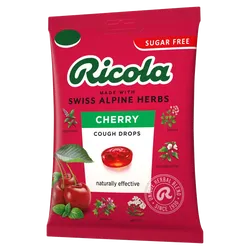
Ricola Sugar Free Cherry Cough Drops 70g £1.35 save £0.14
-
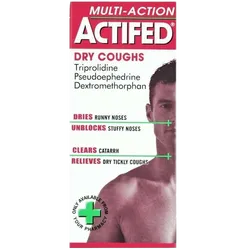
Actifed Multi-Action Dry Coughs 100ml £6.29 save £1.10
-
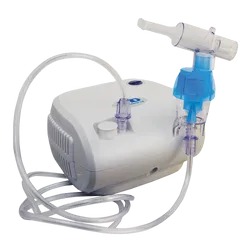
A&D Medical UN-014 Compact Nebuliser £33.38 save £6.57
-
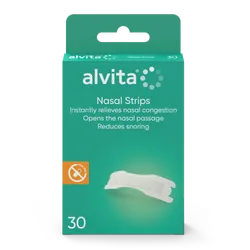
Alvita Nasal Strips Pack of 30 £4.79 save £6.20
-
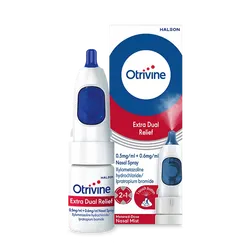
Otrivine Extra Dual Relief Nasal Spray 10ml £6.69 save £1.30
-
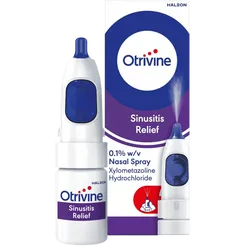
Otrivine Sinusitis Relief Nasal Spray 10ml £4.99 save £1.02
-
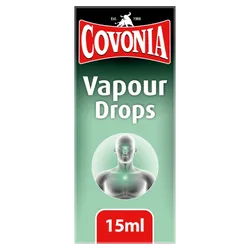
Covonia Vapour Drops 15ml £3.99 save £0.50
-
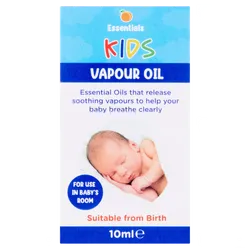
Essentials Kids Vapour Oil 10ml £2.69 save £1.30
-
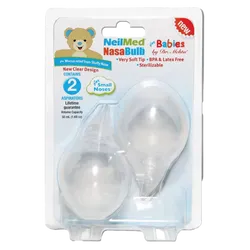
Neilmed NasaBulb Nose Aspirators Pack of 2 £4.49 save £7.50
-
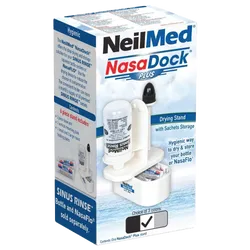
Neilmed NasaDock Drying Stand £4.99 save £2.00
-
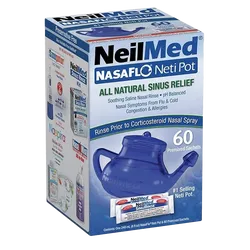
Neilmed NasaFlo Neti Pot With 60 Premixed Sachets £14.49 save £5.50
-
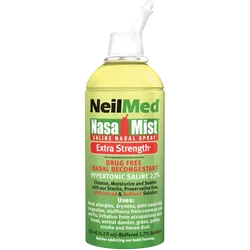
NeilMed NasaMist Extra Strength Hypertonic Saline Spray 125ml £7.49 save £1.00
-
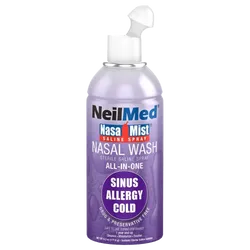
NeilMed NasaMist Spray All-in-One 177ml £8.98 save £1.81
-
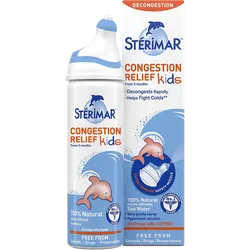
Sterimar Kids Congestion Relief Nasal Spray 50ml £4.05 save £0.24
-
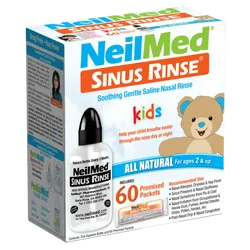
Neilmed Sinus Rinse Kids Complete Kit With 60 Premixed Sachets £9.98 save £8.51
-
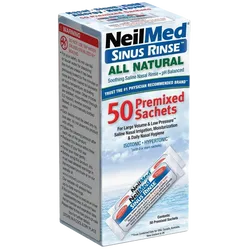
NeilMed Sinus Rinse Refill Sachets Pack of 50 £7.98 save £5.01
-
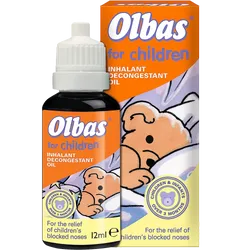
Olbas Oil For Children 12ml £4.19 save £1.86
-
Sterimar Stop & Protect Baby Nasal Spray 15ml £8.29 save £0.70
-
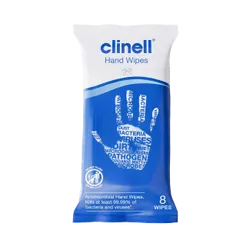
Clinell Antimicrobial Hand Wipes Pack of 8 £0.75 save £0.05
-
Tempo Tissue Single Box Aloe Pack of 80 £1.25 save £0.25
-
Tempo Tissue Single Box Extra Strong Pack of 80 £1.25 save £0.25
-
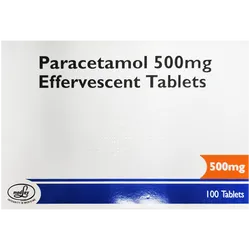
Paracetamol 500mg Effervescent Tablets Pack of 100 £14.48 -
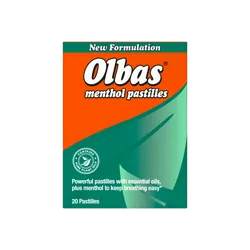
Olbas Menthol Pastilles Pack of 20 £3.49 save £1.00
-
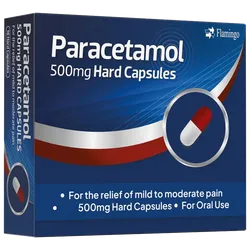
Paracetamol 500mg Capsules Pack of 32 £1.25 -
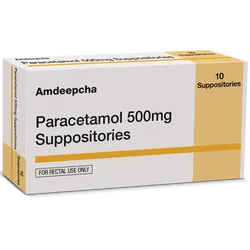
Paracetamol 500mg Suppositories Pack of 10 £15.39 -
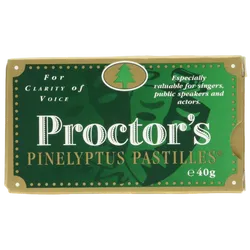
Proctor's Pinelyptus Pastilles 40g £3.69 save £0.91
-
Kleenex Balsam Pocket Pack Tissues Pack of 8 £1.79 save £0.21
-
Kleenex Extra Large Tissues Pack of 90 £1.75 save £0.24
-
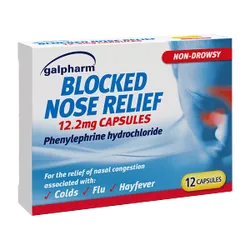
Blocked Nose Relief Capsules Pack of 12 £0.99 -
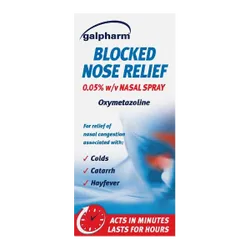
Blocked Nose Relief Nasal Spray 15ml £1.59 save £1.10
-
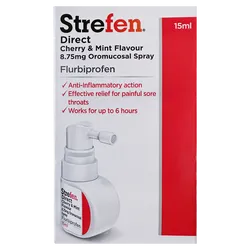
Strefen Direct Cherry & Mint Oromucosal Spray 15ml £4.99 save £3.00
-
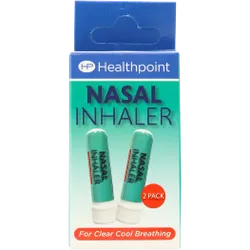
Healthpoint Nasal Inhaler Pack of 2 £0.99 -
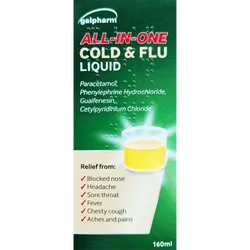
Cold & Flu All-in-One Liquid 160ml £2.99