What Is the Best Treatment for Diarrhoea? [Expert Guide]
In this guide
![What Is the Best Treatment for Diarrhoea? [Expert Guide]](https://d2i5j94z9qxt5a.cloudfront.net/eyJidWNrZXQiOiJ3ZWxkcmlja3MtY2RuIiwia2V5IjoiZ3VpZGVzLzUxMi93V0VIb2lpbFl0bFFuUWd6M2p4dlY0N3h4b0EwU3J4NnQwVzhqSzR0LmpwZyIsImVkaXRzIjp7InJlc2l6ZSI6eyJ3aWR0aCI6MTIyMCwiaGVpZ2h0Ijo2NDAsImZpdCI6ImNvdmVyIiwiYmFja2dyb3VuZCI6eyJyIjoyNTUsImciOjI1NSwiYiI6MjU1LCJhbHBoYSI6MH19LCJ3ZWJwIjp7InF1YWxpdHkiOjgwfX19)
Diarrhoea is a common digestive issue that can affect people of all ages.
While it is often short-lived and mild, it can sometimes lead to dehydration or signal an underlying condition.
In this guide, we’ll explore what causes diarrhoea, the most effective treatment options, and when it’s important to seek medical advice.
What Is Diarrhoea?
Diarrhoea is passing loose, watery stools more frequently than usual. It typically occurs when the digestive system can’t properly absorb fluids or when the intestines become irritated.
Most cases are acute and resolve within a few days, but some may persist (chronic diarrhoea), requiring further investigation.
Although often harmless, diarrhoea can lead to fluid and electrolyte loss, which is why proper management is important.
What Causes Diarrhoea?
Diarrhoea can have many different causes, including:
- Viral infections (norovirus or rotavirus).
- Bacterial infections (Campylobacter, Escherichia coli, etc.), which are often picked up from contaminated foods (food poisoning).
- Parasitic infections (Giardia duodenalis), which can be picked up from contaminated water. These usually occur during travelling abroad. By the way, see how to stay gut-healthy when travelling abroad!
- Food intolerances (e.g., lactose intolerance).
- Certain medications (antibiotics, anticancer drugs, etc.).
- Digestive conditions (Irritable Bowel Syndrome/IBS, Inflammatory Bowel Disease/IBD, Crohn’s disease, etc.)
- Dietary factors (e.g., excessive intake of spicy or fatty foods).
Read also: IBS: Symptoms, Triggers & Treatment Options.
What Are the Symptoms of Diarrhoea?
Common symptoms include:
- Frequent loose or watery stools
- Nausea or vomiting
- Bloating
- Fever
- Blood in the stool
- Mucus in the stool
- Flatulence
- Abdominal cramps or pain
- Urgent need to use the toilet
- Signs of dehydration (dry mouth, dizziness, dark or smelly urine)
How Is Diarrhoea Treated?
Treatment depends on the cause and severity, but most cases can be managed effectively. Here are the most effective treatment options for diarrhoea:
1. Anti-Diarrhoeal Medicines
Over-the-counter medicines such as loperamide (e.g., Imodium) can help slow bowel movements and reduce stool frequency.
Anti-diarrhoeal medications:
- Are useful for short-term relief in adults (NOT suitable for children under 11).
- Help manage symptoms quickly (e.g., travel or work situations).
- Are not always suitable for infections where the body needs to clear the root cause.
Read also: Imodium: How It Actually Stops Diarrhoea (and When Not to Use It).
2. Rehydration & Electrolytes
The most important treatment for diarrhoea is replacing lost fluids and salts:
- Oral rehydration solutions (ORS) help restore electrolyte balance.
- Water, diluted juices, and clear soups can keep you properly hydrated.
If you suffer from severe dehydration, your doctor may recommend that you receive IV (intravenous) fluids in a medical setting.
-
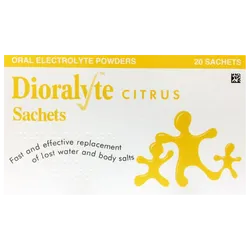
Dioralyte Supplement Sachets Citrus Pack of 20 £10.99 save £1.00
-
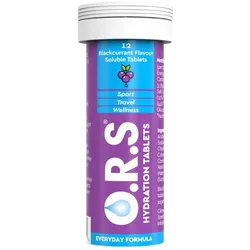
ORS Hydration Tablets Blackcurrant Pack of 12 £3.75 save £1.15
-
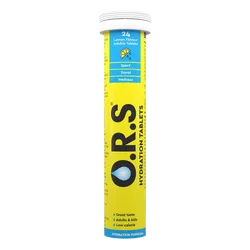
ORS Hydration Tablets Lemon Pack of 24 £5.89 save £2.10
-
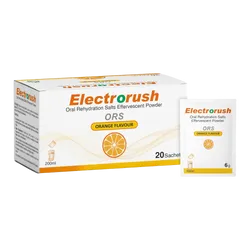
Electrorush Rehydration Sachets Orange Pack of 20 £6.95 -
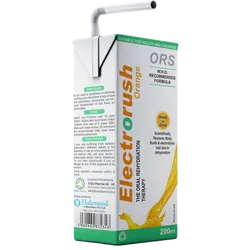
Electrorush Ready to Drink Rehydration Solution Orange 200ml £1.49
3. Antibiotics, Antivirals & Antiparasitics
These treatments are only used when a specific cause is identified:
- Antibiotics: Used for certain bacterial infections (e.g. severe food poisoning).
- Antiviral treatments: Rarely needed, as most viral diarrhoea resolves on its own.
- Antiparasitic medicines: Prescribed when parasites are the cause (common in travel-related diarrhoea).
These treatments should only be used under medical supervision.
4. Self-Care At Home
In many cases, diarrhoea improves with simple home care. Here are some practical tips:
- Drink plenty of fluids, even if you don’t feel thirsty.
- Eat light, bland, and low-fibre foods, such as rice, white bread, bananas, mashed potatoes, and soups, as these are easy to digest and less likely to irritate the gut while it recovers.
- Avoid fatty, spicy, or sugary foods, which can irritate your digestive system and increase bowel movements.
- Avoid alcohol and caffeine, which can irritate the gut and increase fluid loss.
- Rest to support faster recovery.
How To Prevent Diarrhoea?
You can reduce your risk by following these simple precautions:
- Wash your hands regularly, especially before eating and after using the toilet.
- Practice good food hygiene (proper cooking, storage, and handling).
- Avoid unsafe food or water when travelling abroad.
- Drink bottled or treated water in high-risk areas.
- Keep surfaces clean, especially in shared environments.
How Is Diarrhoea Assessed by a Doctor?
If needed, a healthcare professional may evaluate diarrhoea using:
- Medical history review (including recent travel, diet, and symptoms)
- Blood tests to check for infection or underlying conditions
- Stool tests to identify bacteria, viruses, or parasites
- Physical examination to check for dehydration or abdominal issues (e.g., odd bowel sounds)
- Imaging (e.g., CT scan) in cases of persistent or unexplained symptoms
When To See a Doctor
You should seek medical advice if:
- Diarrhoea lasts more than 3-5 days
- You have blood or mucus in your stool
- You have a high fever
- You have signs of dehydration
- You have severe abdominal pain
Best Diarrhoea Treatments — Summary
Diarrhoea usually lasts for a few days, and it’s not something you should be really worried about.
Focusing on proper hydration and managing symptoms (by taking medicine or addressing the underlying cause), while also knowing when to seek medical help, will help you treat the problem effectively and avoid complications.
Explore Weldricks’ full range of trusted diarrhoea treatment products to find effective options for managing your symptoms!
FAQs
What drink stops diarrhoea?
Oral rehydration solutions are the best option, as they replace lost fluids and electrolytes. Also, water, clear broths, and ginger tea can help.
Is it better to take medicine or let diarrhoea run its course?
Most cases of mild diarrhoea (especially viral) should be left to resolve on their own.
What shouldn’t I eat or drink during diarrhoea?
Avoid:
- Alcohol
- Caffeine
- Fatty, spicy, or high-sugar foods
- Dairy products (milk, cheese)
How long should diarrhoea last?
Most cases resolve within a few days (3-7). If it lasts longer than a week, it may require medical evaluation.
Published 6th May 2026 by

Allan Green
Registered Pharmacist & Head of E-commerce
Allan has been a Registered Pharmacist for 25+ years
He specializes in Ecommerce and Over the Counter medicines.
He is a Registered Pharmacist, who studied at University of Bradford.
He has been with Weldricks since 2006, starting as a branch manager before moving into area management and deputy superintendent roles.
His current responsibilities include web development, marketing, content, customer service and web operations teams.