Modern Pain Management: A Pharmacist's Guide to Active Relief & Joint Care
In this guide

Whether you have recently taken up regular running, joined the gym, or are managing the day-to-day niggles of joint wear & tear, physical discomfort is a common part of an active life. With millions of people across the UK moving more than ever, the types of aches & injuries we experience are evolving.
Understanding what causes muscle aches & joint pain - & knowing how to manage them safely - can make all the difference in keeping you active, mobile, & comfortable for the long-term.
How Active Lifestyles & Wear-and-Tear Impact Your Body
Acute Sports Strains & Sprains: From running clubs to fitness challenges, competitive & recreational training can lead to unexpected soft tissue injuries. Ankle sprains alone account for hundreds of thousands of healthcare visits in the UK each year, often caused by sudden twists, uneven ground, or overexertion.
Joint Wear & Tear: It isn't just high-impact sports that cause discomfort. Long-term conditions, such as knee osteoarthritis, affect an increasing number of adults. Everyday movements like walking, climbing stairs, or kneeling can gradually lead to joint stiffness & localised swelling.
First-Line Care: The P.R.I.C.E Protocol
When dealing with a sudden muscle strain, sprain, or joint tweak, immediate self-care is essential. Official clinical guidelines recommend starting with the P.R.I.C.E protocol to support early recovery:
- P - Protection: Safeguard the affected area from further injury (e.g. using a supportive brace or bandage).
- R - Rest: Stop the activity immediately & allow the injured muscle or joint time to recover.
- I - Ice: Apply a cold pack wrapped in a towel for 15-20 minutes to reduce swelling (never apply ice directly to bare skin).
- C - Compression: Wrap the area gently with a support bandage to minimise inflammation without restricting circulation.
- E - Elevation: Keep the injured limb raised above heart level where possible to help fluids drain away.
Following the P.R.I.C.E principles helps manage early swelling, preparing your tissue for a gradual, safe return to normal movement.
Why Choose a Targeted Topical Pain Relief Gel?
While oral pain-relief tablets are a common choice, topical anti-inflammatory gels offer distinct practical & safety benefits for localised musculoskeletal pain:
- Relief Directly at the Source: Applying a gel directly to the affected joint or muscle concentrates the active ingredient right where it is needed most.
- Treating Inflammation, Not Just Masking Pain: Standard pain relief tablets like paracetamol work primarily to ease pain signals, but they do not actively reduce swelling. A topical non-steroidal anti-inflammatory drug (NSAID) works by inhibiting the enzymes (COX-1 & COX-2) responsible for producing prostaglandins - the chemical messengers that drive pain & inflammation at the injury site.
- Reduced Systemic Exposure & Fewer Side Effects: Because a topical gel is absorbed directly through the skin rather than passing through the stomach & digestive tract, significantly less medicine enters your bloodstream. This localised action reduces the risk of systemic stomach irritation & minimizes potential interactions with other routine oral medications.
How Voltarol Gel Works for Muscle & Joint Relief
For targeted, effective management of sprains, strains, & joint pain, Voltarol 2.32% Gel provides a clinically proven option:
- Sustained Local Action: Voltarol Gel creates a specialised reservoir within the outer layer of your skin (the epidermis). The active ingredient, diclofenac diethylammonium, gradually releases from this reservoir deep into the underlying tissues, offering continuous, long-lasting relief for up to 12 hours.
- Targeted Permeation: Voltarol's formulation incorporates specialised permeation enhancers (such as oleyl alcohol) that help the active medicine penetrate the skin barrier smoothly without causing unnecessary skin irritation.
- Proven Anti-Inflammatory Power: Voltarol Gel provides up to 12 hours of localised relief from pain & inflammation, helping restore your natural movement so you can get back to your routine.
When to Seek Immediate Medical Attention: Self-care & topical pain relief are designed for mild-to-moderate musculoskeletal pain. You should consult a GP or visit NHS 111 immediately if you experience: inability to bear weight on the affected limb; severe, sudden swelling or visible deformity; numbness, tingling, or weakness; joint pain accompanied by a fever or red skin; or pain that fails to improve after 7-10 days of self-treatment.
Safety Checklist: Is a Topical NSAID Right for You?
Before using Voltarol or any topical anti-inflammatory gel, always read the patient information leaflet. Speak to a pharmacist before use if:
- You are pregnant, planning to become pregnant, or breastfeeding.
- You have asthma or a history of allergic reactions to aspirin or other NSAIDs.
- You have an active stomach ulcer or severe kidney issues.
- You are applying the gel to broken, damaged, infected, or eczema-prone skin.
Choosing the Right Pain Relief Strategy for You
Managing discomfort effectively often involves combining gentle movement, structured rest, & targeted topical treatments. At Weldricks Pharmacy, our UK-registered pharmacists are always on hand to review your symptoms & offer confidential, expert advice to help you find the safest, most effective solution for your needs.
FAQs
- What is Voltarol Gel used for?
- How does Voltarol 2.32% Gel work compared to standard paracetamol?
- How often should I apply Voltarol 12 Hour Joint & Back Gel?
- Is topical Voltarol Gel safer for the stomach than oral NSAID tablets?
- What is the P.R.I.C.E protocol for sports injuries & sprains?
- Can I use Voltarol Gel alongside oral painkillers?
- When should I see a doctor for joint or muscle pain?
What is Voltarol Gel used for?
Voltarol Gel is a topical anti-inflammatory treatment used to relieve pain, reduce swelling, & ease inflammation in muscles, joints, tendons, & ligaments. It is commonly used for acute sports injuries like sprains & strains, as well as joint wear & tear such as mild knee osteoarthritis.
How does Voltarol 2.32% Gel work compared to standard paracetamol?
Paracetamol acts as an analgesic to reduce pain signals but does not treat inflammation. Voltarol 2.32% Gel contains diclofenac, a non-steroidal anti-inflammatory drug (NSAID) that targets COX-1 & COX-2 enzymes at the injury site. This reduces prostaglandin production, tackling both pain & underlying swelling directly at the source.
How often should I apply Voltarol 12 Hour Joint & Back Gel?
Voltarol 2.32% Gel is formulated for sustained release & should be applied twice daily (preferably morning & evening) to the affected area. Gently rub a small amount into the skin over the painful joint or muscle.
Is topical Voltarol Gel safer for the stomach than oral NSAID tablets?
Yes. Because Voltarol Gel is applied topically through the skin, less than 6% of the active ingredient enters the bloodstream compared to an equivalent oral dose. This localised delivery significantly reduces the risk of stomach upset, gastric ulcers, & systemic side effects associated with oral NSAID tablets.
What is the P.R.I.C.E protocol for sports injuries & sprains?
The P.R.I.C.E protocol is a clinical self-care routine for acute soft-tissue injuries. It stands for:
- Protection (protecting the area)
- Rest (avoiding further stress)
- Ice (cold pack for 15-20 minutes)
- Compression (light support bandage)
- Elevation (raising the limb above heart level)
Can I use Voltarol Gel alongside oral painkillers?
You should not use Voltarol Gel simultaneously with oral diclofenac or other oral NSAIDs (such as ibuprofen or naproxen) without consulting a healthcare professional, as this increases the total NSAID dose. However, it can often be combined with non-NSAID painkillers like paracetamol under pharmacist guidance.
When should I see a doctor for joint or muscle pain?
Seek medical attention or visit NHS 111 immediately if you cannot bear weight on the joint, if there is severe deformity or sudden severe swelling, if you experience numbness or fever, or if the pain does not improve after 7-10 days of self-treatment.
Published 29th July 2026 by

Allan Green
Registered Pharmacist & Head of E-commerce
Allan has been a Registered Pharmacist for 25+ years
He specializes in Ecommerce and Over the Counter medicines.
He is a Registered Pharmacist, who studied at University of Bradford.
He has been with Weldricks since 2006, starting as a branch manager before moving into area management and deputy superintendent roles.
His current responsibilities include web development, marketing, content, customer service and web operations teams.
Related Products
-
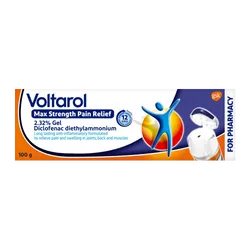
Voltarol Max Strength Pain Relief 12 Hour Gel 100g £13.95 save £5.54
-
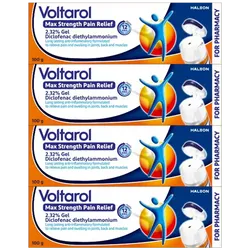
Voltarol Max Strength Pain Relief Gel 100g Pack of 4 £53.00 save £24.96
-
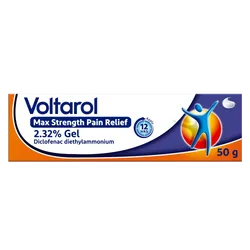
Voltarol Max Strength Pain Relief Gel 50g £9.79 save £2.20
-
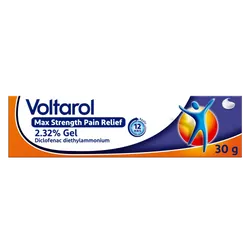
Voltarol Max Strength Pain Relief Gel 30g £6.89 save £2.10
-
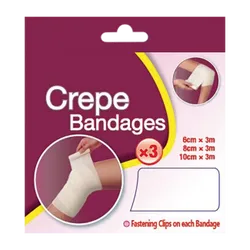
Crepe Bandages Pack of 3 £1.19 -
Sure Thermal Tartan Heat Pack £2.99