Impetigo in Children vs Adults: What Are the Key Differences?
In this guide
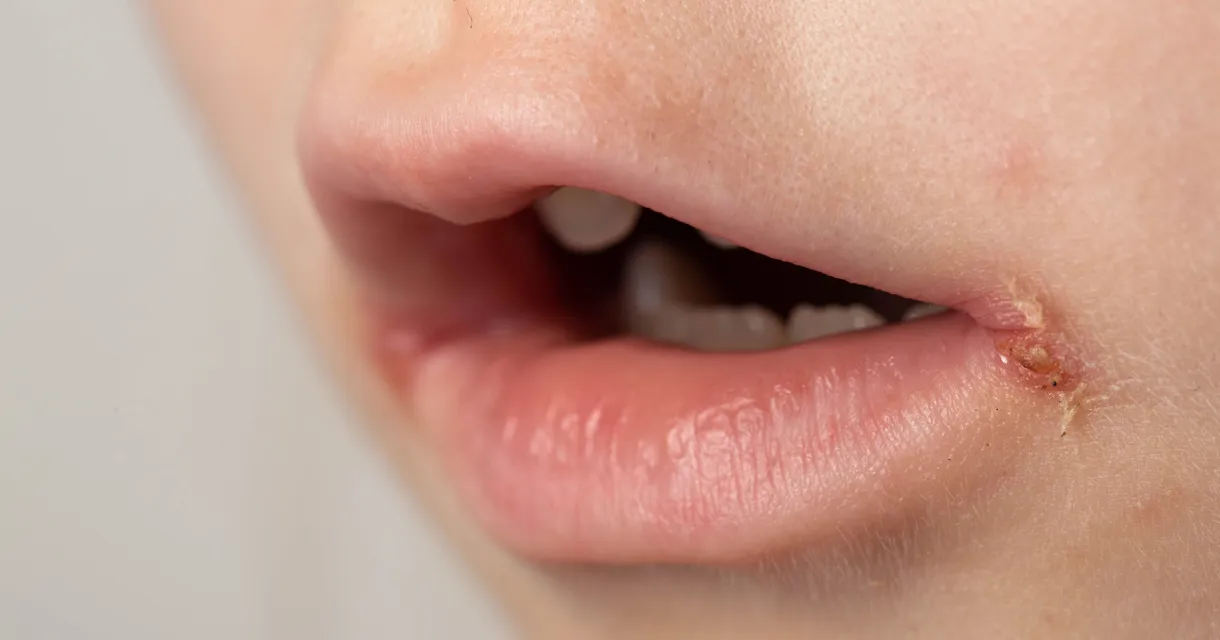
Impetigo in children and in adults is essentially the same highly contagious bacterial skin infection, with similar symptoms and routes of transmission.
However, impetigo is much more common in young children, and age can affect where exposure happens, individual risk factors, and some practical aspects of treatment and preventing further spread.
Here, we compare the key differences and explain what parents and adults should do next.
Impetigo at a Glance: What Should You Know?
Impetigo is a contagious bacterial skin infection that can affect people of any age but is particularly common in young children.
It is usually caused by Staphylococcus or Streptococcus bacteria, which can infect healthy skin or enter through damaged skin, such as cuts, grazes, insect bites, or areas affected by eczema.
Typical signs and symptoms include sores or fluid-filled blisters that burst and leave golden-brown crusty patches. Non-bullous impetigo is the most common form, while bullous impetigo causes larger blisters and is more common in babies and young children.
For a closer look at the causes, symptoms, types, and routes of transmission, read our complete guide to impetigo and how it spreads. You can also explore the key differences between bullous and non-bullous impetigo in our dedicated comparison guide.
Impetigo in Children vs Adults: What Are the Main Differences?
Impetigo is essentially the same bacterial skin infection in children and adults, so many of its symptoms, routes of transmission, and treatments overlap. However, there are some important age-related differences. Here’s how impetigo in children vs adults compares:
| Key Difference | Children | Adults |
|---|---|---|
| How common is it? | Much more common, particularly in young children | Less common, although adults can still develop it |
| Typical exposure | Often associated with close contact at home, nursery, or school | More often linked to household exposure, caring for an infected child, or close-contact activities |
| Common risk context | Close contact with other children, scratching and breaks in the skin, including eczema | Existing skin damage or conditions such as eczema or psoriasis; diabetes or weakened immunity may also increase susceptibility |
| Bullous impetigo | More commonly affects babies and young children | Can occur but is less commonly seen |
| Treatment considerations | Medicines and doses must be appropriate for the child's age and, where relevant, weight; babies may require different assessment | Treatment is selected according to the type, extent and severity of the infection, alongside individual health factors |
| Impact on daily activities | May need to stay away from school or nursery while contagious | May need to stay away from work and avoid activities involving close skin contact while contagious |
Why Is Impetigo More Common in Children Than Adults?
Impetigo can occur at any age, but it is the most common skin infection seen in young children in the UK. Several factors can help explain why children are more susceptible than adults:
- Frequent close contact: Children spend a lot of time in close contact with others at nurseries, schools, and during play, creating more opportunities for the bacteria that cause impetigo to spread.
- Developing immune systems: Young children's immune systems are still developing, which can make them more susceptible to some infections compared with healthy adults.
- Scratching and minor skin injuries: Cuts, grazes, insect bites, and scratched skin can create openings that allow bacteria to enter. Younger children may also find it harder to avoid scratching itchy areas.
- Underlying skin conditions: Conditions such as eczema can damage the skin barrier and make it easier for bacteria to cause infection. If your child has eczema, our guide to creams and moisturisers for eczema explains how it can be managed.
- Shared environments and items: Toys, towels, clothing, and other frequently handled items can contribute to transmission when they become contaminated, making communal environments particularly relevant.
For school-age children, our back-to-school health tips also cover practical ways to support their health throughout the school year.
How Contagious Is Impetigo From Children to Adults?
Impetigo is highly contagious in both children and adults, and the bacteria can spread between the two age groups through direct contact with infected skin or contaminated items. However, the circumstances in which transmission occurs often differ.
How Contagious Is Impetigo in Children?
As we explained above, children have more opportunities to catch and pass on impetigo, particularly because they may:
- Spend long periods in close contact with other children at school, nursery, or during play.
- Touch or scratch infected sores and then touch other people or surfaces.
- Share toys, equipment, and other frequently handled items.
- Find it more difficult to consistently follow measures, such as avoiding touching affected skin and regular handwashing.
How Contagious Is Impetigo in Adults?
Adults can catch and spread impetigo too. Exposure may be more likely when they:
- Live with or care for an infected child, increasing the opportunity for close contact.
- Share contaminated towels, bedding, clothing or other personal items with someone who has the infection.
- Take part in close-contact sports or activities involving regular skin-to-skin contact.
- Have damaged skin or an underlying skin condition, which can make it easier for the bacteria to cause an infection.
So, can a child pass impetigo to an adult? Absolutely. As children are more commonly affected and often have greater opportunities to spread the bacteria, household transmission from an infected child to a parent, carer or other adult is a genuine risk. Adults caring for a child with impetigo should therefore take the same precautions against transmission as they would around another infected adult.
Is Impetigo Treatment Different for Adults and Children?
The overall approach to impetigo treatment is similar for adults and children. Treatment is chosen primarily according to whether the infection is bullous or non-bullous, how widespread it is, and whether the person is unwell or at increased risk of complications.
The main age-related difference is that, for children, the choice of medicine and dosage must be appropriate for their age and weight. Babies may also need a different assessment; if a child with suspected impetigo is 11 months old or younger, they should be assessed by a GP.
Depending on the type and severity of impetigo, the main treatment options include:
- Hydrogen peroxide 1% cream: May be recommended for localised non-bullous impetigo when the person is not systemically unwell or at high risk of complications.
- Topical antibiotics: May be considered for localised non-bullous impetigo when hydrogen peroxide is unsuitable or has not worked.
- Oral antibiotics: Recommended for bullous impetigo and may also be used for widespread non-bullous impetigo. They are also recommended when the person is systemically unwell or at higher risk of complications.
School vs Work: When Can You Go Back?
The rules are broadly the same for children and adults because both can transmit the infection.
Children should remain away from school or nursery, and adults should stay away from work, until they are no longer contagious. According to NHS guidance on impetigo, this is generally 48 hours after starting prescribed hydrogen peroxide cream or antibiotics, or once the patches have dried and crusted over if no treatment is used.
Adults should also avoid the gym and contact sports while infectious. Parents should inform their child's school or nursery and take extra care with shared towels, bedding and toys.
Get Help With Impetigo
The key difference between impetigo in children and adults is not the infection itself, but how commonly it occurs, the circumstances in which it spreads, and individual risk factors.
Prompt assessment can help confirm the diagnosis and determine the most appropriate treatment.
Weldricks Pharmacy can assess symptoms in adults and children over 1 year old and provide appropriate impetigo treatment through our pharmacy-first service.
FAQs
Can a child get impetigo twice?
Yes. Having impetigo once does not provide reliable immunity against future infections, so a child can develop it again. If impetigo keeps returning, speak to a healthcare professional.
Why does my child keep getting impetigo?
Repeated impetigo can have several explanations, including ongoing exposure to the bacteria or an underlying skin condition that damages the skin barrier. Healthcare professionals may investigate recurrent infections using skin or nasal swabs and consider treatment aimed at clearing bacteria that are repeatedly causing infection.
Can impetigo be confused with cold sores?
Yes. Impetigo around the mouth can sometimes resemble a cold sore, and herpes simplex is one of the alternative diagnoses healthcare professionals may consider if suspected impetigo does not respond as expected to treatment.
Published 14th October 2026 by

Richard Hackett
Director of Pharmacy Service
My first role in Weldricks was as a Saturday assistant before starting at Bradford University, where I obtained a Master of Pharmacy Degree and qualified as a Pharmacist in 2005.
I started my career as a Pharmacist as the manager of our Swinton branch, before moving between several branches and completing a Clinical post-graduate diploma from Keele University in 2010. After re-joining the company in 2019, I’ve held a number of field and central roles before moving into my current position in 2025. I am responsible for the safe and effective running of our Pharmacy Network, working with all different functions to make this happen.