Cellulitis From an Insect Bite: How to Spot It & What to Do
In this guide
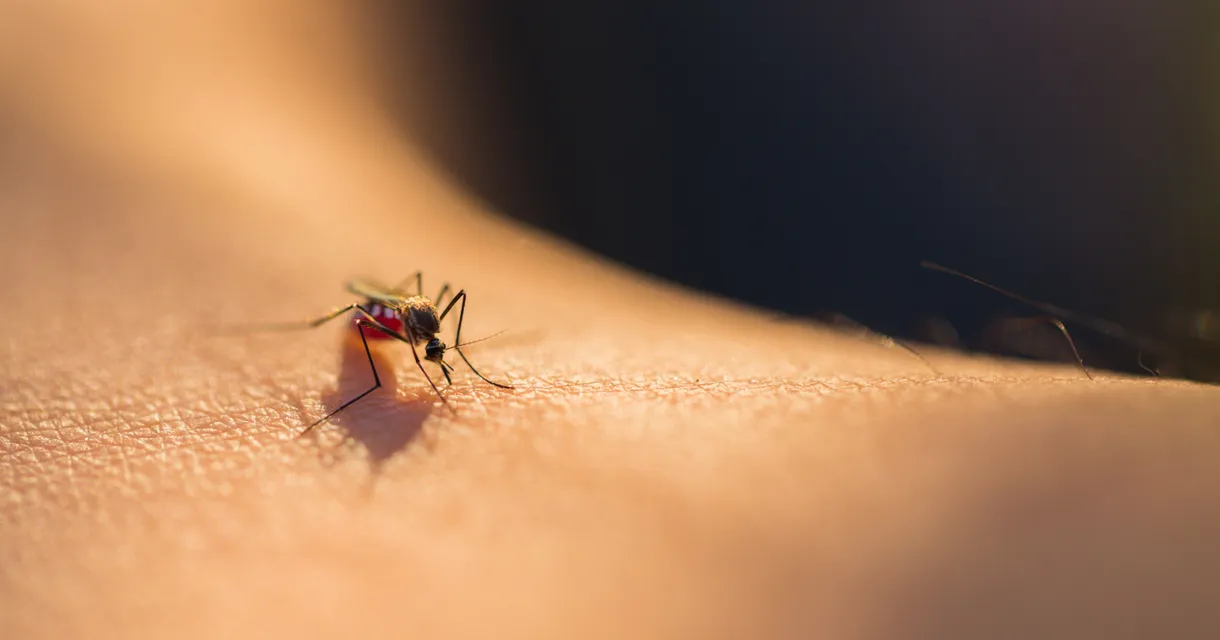
Cellulitis from an insect bite develops when bacteria enter through damaged skin and infect its deeper layers. The affected area typically becomes painful, hot, and swollen, and needs prompt antibiotic treatment.
Although most insect bites are harmless, scratching can break the skin and make infection more likely.
So, what causes cellulitis after an insect bite, what symptoms should you look out for, and how is it treated? Here’s what you need to know, including when to seek urgent medical help.
Key Takeaways
- Cellulitis can develop after an insect bite or sting if bacteria enter through broken skin.
- Typical cellulitis symptoms include painful, hot, swollen and often red skin that may spread beyond the original bite.
- Cellulitis is not contagious, but it can become serious if the infection spreads to the blood, muscles or bones.
- Antibiotics are the main treatment. Mild cellulitis is usually treated with tablets, while severe cases may require hospital treatment.
- A very high temperature, fast breathing or heartbeat, dizziness, confusion or purple skin patches alongside cellulitis require emergency medical attention.
What Is Cellulitis?
Cellulitis is a bacterial infection of the deeper layers of the skin and underlying tissues. It can affect any part of the body, although the lower legs are particularly common sites.
Early antibiotic treatment is important because untreated cellulitis can spread and become more serious.
Can You Get Cellulitis From an Insect Bite?
Yes. An insect bite or sting can lead to cellulitis if bacteria get through the skin and cause an infection.
Scratching an itchy mosquito bite, ant bite, or other bug bite can break the skin and create an entry point for bacteria. Even a tiny break that you cannot easily see can be enough.
A bee sting can also damage the skin, but swelling soon after a sting is often an inflammatory or allergic reaction rather than cellulitis.
Not sure which insect caused your bite? Our guide can help you work out what bug may have bitten you.
What Causes Cellulitis?
Cellulitis is caused by bacteria entering damaged skin. Common bacteria involved include Streptococcus and Staphylococcus aureus.
An insect bite can increase the risk when:
- The bite itself breaks the skin
- Scratching creates small cuts or wounds
- The area is repeatedly picked or rubbed
Who’s More At Risk of Cellulitis?
Anyone can develop cellulitis if bacteria enter through broken skin. However, your risk may be higher if you:
- Have poor circulation
- Have lymphoedema, which causes swelling due to a build-up of lymph fluid
- Have a weakened immune system
- Have poorly controlled diabetes (see how to manage diabetes, by the way)
- Have had cellulitis before
- Have a skin condition, such as eczema, that can cause the skin to crack or break
These factors can make it easier for bacteria to enter the skin or make it harder for your body to fight an infection.
What Are the Signs and Symptoms of Cellulitis From an Insect Bite?
Cellulitis can sometimes resemble a strong local reaction to a bug bite. The key difference is that infection tends to cause increasing pain, heat, and swelling rather than gradually settling.
Typical cellulitis symptoms include:
- Painful or tender skin
- Skin that feels hot to touch
- Swelling around and beyond the bite
- Redness or a change in skin colour that may spread
- Tight-looking skin
- Blisters in some cases
Signs the Infection May Be Becoming More Serious
Cellulitis can sometimes spread or cause symptoms beyond the affected skin. Seek urgent medical advice if you develop:
- Fever or a high temperature
- Chills or shivering
- Flu-like symptoms or feeling generally unwell
- Rapidly worsening pain, swelling, or skin changes
- Red lines or streaks spreading away from the infected area (this may indicate than infection is spreading through the lymphatic vessels, known as lymphangitis)
- Swollen or tender glands
For a wider overview of warning signs following bites and stings, read our related guide: Insect Bite Emergency: When Should You Worry?
Is Cellulitis Contagious?
No, cellulitis itself is not contagious. You cannot catch it from someone who has the condition because the infection affects the deeper layers of their skin.
However, good wound hygiene remains important. Keep broken skin clean and follow any wound-care advice provided by your healthcare professional.
How Serious Can Cellulitis From an Insect Bite Be?
Most people recover fully when cellulitis is treated promptly, usually within around 7–10 days. However, cellulitis can be dangerous if treatment is delayed.
The infection can spread beyond the skin and, in more serious cases, affect the blood, muscles, or bones. Infection spreading into the bloodstream can contribute to sepsis.
Cellulitis affecting the face or around the eye also requires particularly prompt medical assessment.
How Is Cellulitis From a Bug Bite Treated?
1. Oral Antibiotics
Antibiotics are the main treatment for cellulitis. For mild cellulitis affecting a small area, antibiotic tablets are generally prescribed for around a week.
Symptoms can initially worsen during the first 48 hours of treatment but should then start improving. Contact your GP if you are not beginning to feel better within 2–3 days of starting antibiotics.
Some antibiotics commonly used to treat cellulitis include:
- Dicloxacillin
- Amoxicillin
- Cephalexin
- Flucloxacillin
- Clarithromycin
- Erhythromycin
2. Intravenous (IV) Antibiotics
More severe cellulitis may require antibiotics given directly into a vein and assessment or treatment in hospital. IV treatment may also be considered when oral antibiotics are not producing an adequate response.
3. Pain Relief & Supportive Care
Paracetamol or ibuprofen can help relieve pain if they are suitable for you. Raising the affected arm, hand, leg, or foot can also reduce swelling.
These measures can make you more comfortable, but home remedies cannot replace antibiotics when cellulitis has been diagnosed.
Explore Weldricks’ trusted pain relief products to help manage pain and discomfort during your recovery!
How to Speed Up Your Recovery From Cellulitis
Alongside taking your prescribed antibiotics:
- Finish the full antibiotic course, even if you feel better.
- Raise the affected body part when sitting or lying down to reduce swelling.
- Regularly move nearby joints, such as the wrist or ankle, to prevent stiffness.
- Drink plenty of fluids to avoid dehydration.
- Take suitable pain relief if needed.
- Avoid compression stockings until you have recovered.
How Can You Prevent Cellulitis After an Insect Bite?
Reducing skin damage and preventing infection are particularly important:
- Do not scratch insect bites, even when they are very itchy.
- Wash bites or stings with soap and water.
- Keep cuts, scratches, and broken skin clean.
- Keep your skin moisturised to reduce cracking.
- Use insect repellent to reduce your risk of bites.
If itching is making it difficult to leave a bite alone, see our practical tips on how to stop insect bites from itching.
When Should You Call 999 or Go to A&E?
Cellulitis can occasionally cause life-threatening complications. Call 999 or go to A&E if you have cellulitis alongside:
- A very high temperature or feeling hot, cold, or shivery
- Fast breathing or a fast heartbeat
- Dizziness or fainting
- Purple patches on the skin
- Cold, clammy, or pale skin
- Confusion or disorientation
- Unresponsiveness or loss of consciousness
These symptoms can indicate a serious complication and require immediate medical attention.
Cellulitis vs Insect Bite Reaction: How Can You Tell the Difference?
A large, swollen bite does not automatically mean cellulitis. Local inflammatory and allergic reactions can cause considerable redness, itching and swelling. Let’s take a closer look at the key differences:
| What to compare | Insect bite reaction | Cellulitis |
|---|---|---|
| When it develops | Often develops soon after the bite or sting | Infection usually develops later |
| Main symptoms | Itching, redness, and local swelling are common | Pain, tenderness, warmth, and swelling are more characteristic |
| Affected area | Usually remains around the bite or sting | Redness or skin-colour changes and swelling may spread beyond the original area |
| How it progresses | Usually gradually settles and improves | May continue to spread or become increasingly painful, hot, or swollen |
| Treatment | Usually managed with measures to relieve symptoms; antibiotics are not needed unless an infection develops | Requires antibiotic treatment |
Cellulitis From an Insect Bite — Conclusion
Cellulitis from an insect bite needs prompt medical attention, particularly when the skin becomes increasingly painful, hot, and swollen. Early antibiotic treatment is usually effective and helps prevent serious complications.
If your insect bite looks infected, eligible patients can get professional assessment and appropriate insect bite treatment from Weldricks Pharmacy.
FAQs
How long after a bug bite can cellulitis develop?
There is no exact timeframe. An immediate swollen or itchy reaction is more likely to be inflammatory or allergic. A secondary skin infection can develop later, from a few hours to a few days after the bite.
Can cellulitis from a bug bite go away on its own?
No, it can’t. Cellulitis is treated with antibiotics, and early treatment reduces the risk of the infection becoming more serious.
How long does cellulitis from a bug bite take to heal?
Most people make a full recovery within 7–10 days with appropriate treatment. Symptoms can initially worsen during the first 48 hours after antibiotics begin but should then start improving.
Can an insect bite cause sepsis?
Yes, although this is rare. If an insect bite becomes infected, the infection can sometimes spread beyond the skin and lead to sepsis, a life-threatening reaction to an infection. This is one reason why suspected cellulitis should be treated promptly. Seek emergency medical help for symptoms such as confusion, very fast breathing, fainting or cold, clammy skin.
Published 14th October 2026 by

Richard Hackett
Director of Pharmacy Service
My first role in Weldricks was as a Saturday assistant before starting at Bradford University, where I obtained a Master of Pharmacy Degree and qualified as a Pharmacist in 2005.
I started my career as a Pharmacist as the manager of our Swinton branch, before moving between several branches and completing a Clinical post-graduate diploma from Keele University in 2010. After re-joining the company in 2019, I’ve held a number of field and central roles before moving into my current position in 2025. I am responsible for the safe and effective running of our Pharmacy Network, working with all different functions to make this happen.