How to Stop an Insect Bite from Itching & Ways to Avoid Infection
In this guide
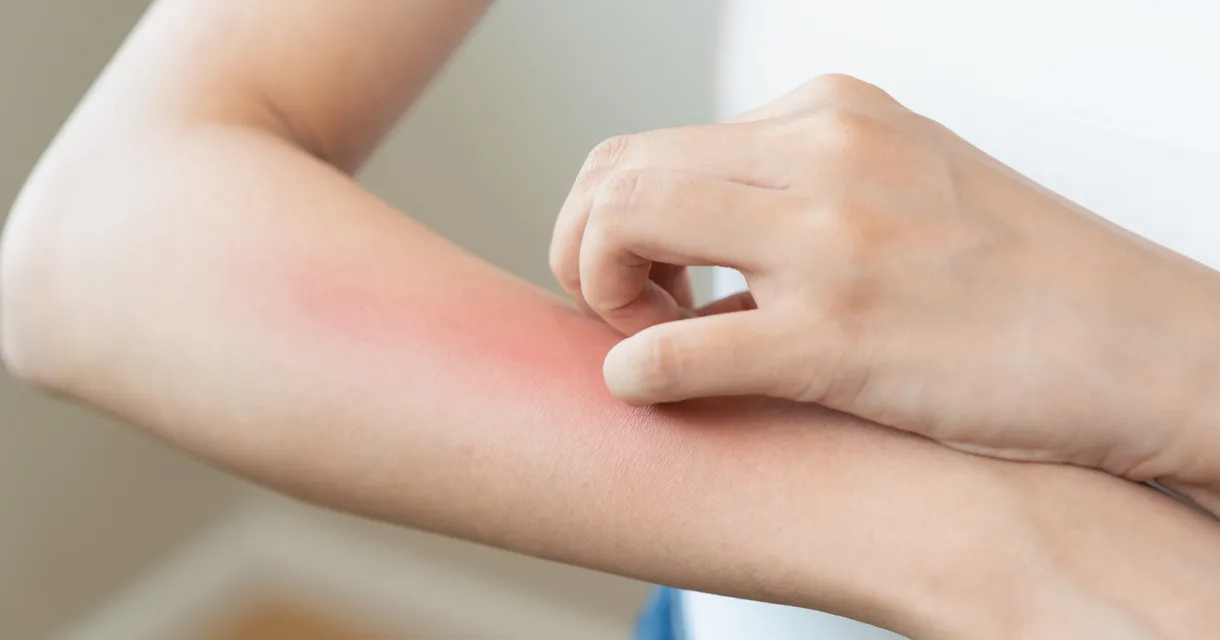
An itchy insect bite can go from mildly annoying to hard to ignore within minutes.
Whether it’s a mosquito, flea or something you picked up overnight, knowing how to stop an insect bite from itching quickly can make a big difference and help prevent infection from scratching.
Which Insects Bite or Sting?
In the UK, the most common insects that cause bites or stings include:
- Mosquitoes
- Bed bugs
- Fleas
- Ticks
- Mites
- Horseflies
- Ants
- Bees, wasps and hornets
- Spiders (rare)
Each can cause different symptoms, but itching, redness and swelling are the most common.
What Relieves Insect Bite Itching?
1. Apply a Cold Compress (Ice)
A cold compress is one of the quickest ways to reduce itching and swelling. It helps numb the area, reduces inflammation, and works within minutes.
How to use
- Wrap ice or a cold pack in a cloth (never directly on skin).
- Apply to the bite for 10–15 minutes.
- Repeat a few times a day if needed.
2. Use Hydrocortisone Cream
Hydrocortisone cream is a mild corticosteroid commonly recommended for insect bite relief, as it reduces inflammation and redness, helps relieve itching quickly, and is suitable for mild to moderate reactions.
How to use
- Apply a thin layer directly to the bite.
- Use 1–2 times daily (as directed).
- Avoid using it on broken or infected skin.
- Don’t use it for more than 7 days, as it can cause skin thinning, stretch marks, or rebound flares.
You can learn more about the benefits of hydrocortisone creams for itchy bites in our useful guide!
3. Take Antihistamines (Tablets or Creams)
Antihistamines help reduce your body’s allergic response to the bite. They are useful for widespread or severe itching and can also reduce swelling.
Antihistamines are usually available as tablets or topical creams.
How to use
- Tablets: Take as directed on the label.
- Creams: Use on clean, dry skin for better effectiveness. Apply a thin layer directly to the bit and gently rub it until absorbed. Reapply according to the product instructions (usually 2-3 times a day). Avoid applying to broken, irritated, or infected skin unless advised otherwise.
- Avoid combining multiple antihistamines unless advised.
4. Apply Calamine Lotion
Calamine lotion is a well-known option for soothing itchy and irritated skin. It creates a cooling effect when applied, which can help calm the urge to scratch while also gently drying out the affected area.
It’s particularly useful for common bites such as mosquito, flea, or bed bug bites, especially when the skin feels hot, irritated or slightly inflamed.
How to use
- Make sure the skin is clean and dry.
- Shake the bottle well.
- Apply a small amount to the bite using clean fingers or a cotton pad.
- Allow it to dry naturally on the skin rather than rubbing it completely.
- Reapply it a few times throughout the day if needed, especially if the itching returns.
Pharmacist explains: Some home remedies are often suggested online, including vinegar, baking soda, and toothpaste. However, there is limited medical evidence to support their effectiveness, and some may irritate the skin further. It’s best to stick with clinically supported treatments, especially if your skin is sensitive.
How to Stop an Insect Bite From Getting Infected
1. Avoid Scratching the Bite
Scratching is the most common reason an insect bite becomes infected. Even if the skin looks intact, repeated scratching can create tiny breaks that allow bacteria to enter.
The difficulty is that itching naturally makes you want to scratch.
That’s why it’s important to manage the itch early using appropriate treatments. Keeping your nails short and, if needed, lightly covering the bite (especially at night) can help prevent accidental irritation.
2. Keep the Area Clean
Keeping the bite clean is a simple but essential step in preventing infection. Gentle daily cleaning helps remove bacteria and reduces the risk of further irritation.
Use lukewarm water and a mild soap, then gently pat the area dry with a clean towel. Avoid rubbing the skin or using heavily fragranced products, as these can make irritation worse.
3. Use an Antiseptic if the Skin Is Broken
If the bite has been scratched and the skin is no longer intact, the risk of infection increases. In this case, a mild antiseptic can help protect the area.
Apply a small amount to the bite and allow it to absorb naturally.
4. Protect the Bite from Further Irritation
Friction from clothing, sweating or repeated contact can make the bite more sensitive and slow down healing.
If the bite is in an area that gets easily irritated (such as the wrist, ankle or waist), you can lightly cover it with a clean dressing. Wearing loose-fitting clothing can also help reduce friction and allow the skin to breathe.
5. Avoid Heat and Excess Moisture
Heat and moisture can worsen inflammation and create an environment where bacteria are more likely to grow.
Hot showers, sweating and tight clothing may increase irritation and make the itch feel more intense. Try to keep the area cool and dry, especially in the first few days after the bite.
6. Monitor for Early Signs of Infection
Even with proper care, it’s important to keep an eye on the bite as it heals. Some signs to watch out for include:
- Increasing redness or swelling
- Warmth around the bite
- Pus or discharge
- Pain that gets worse instead of better
When Should You Seek Medical Advice?
Most bites improve within a few days, but you should seek help if:
- The bite becomes increasingly painful or swollen
- You notice signs of infection
- You feel unwell or develop a fever
- You experience a severe allergic reaction (e.g. difficulty breathing)
If your symptoms suggest that the bite may be infected or not healing as expected, it’s important to get the right support early. You can access professional care through our insect bite service, where trained pharmacists can assess your symptoms and recommend appropriate treatment.
How to Stop Insect Bites from Itching — Summary
Most insect bites are harmless, but proper care is essential to reduce itching and prevent infection. Acting early with the right treatments can make a noticeable difference in how quickly your skin recovers.
Just as important as treating bites is preventing them in the first place. Using suitable protection, especially during warmer months or when spending time outdoors, can significantly reduce your risk.
You can explore a range of insect repellents for effective protection to help avoid bites altogether!
FAQs
Is it normal for a bite to itch after 3 days?
Yes, some bites can remain itchy for several days, especially if irritated. However, worsening symptoms may need attention.
What is the itchiest bug bite?
Chigger (mite) and horsefly bites are often considered the itchiest due to their strong reaction and clustering.
What smell do mosquitoes hate most?
Mosquitoes tend to avoid scents like:
- Citronella
- Eucalyptus
- Lavender
- Lemongrass
How can I tell what insect bit me?
Identifying the cause of a bite usually depends on a combination of factors, such as the appearance (e.g., single bump vs clusters), location on the body and when it appeared (e.g., overnight or after being outdoors).
For a more detailed breakdown, including visual clues and common bite patterns, you can read our guide on how to identify common insect bites, which walks you through the most likely causes and how to recognise them.
Published 25th June 2026 by

Allan Green
Registered Pharmacist & Head of E-commerce
Allan has been a Registered Pharmacist for 25+ years
He specializes in Ecommerce and Over the Counter medicines.
He is a Registered Pharmacist, who studied at University of Bradford.
He has been with Weldricks since 2006, starting as a branch manager before moving into area management and deputy superintendent roles.
His current responsibilities include web development, marketing, content, customer service and web operations teams.
Related Products
-
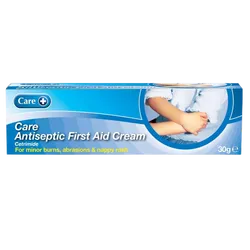
Care Antiseptic Cream 30g £1.48 save £0.51
-
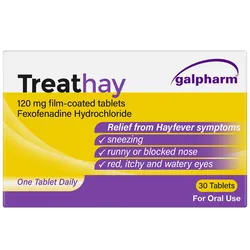
Treathay Fexofenadine 120mg Tablets Pack of 30 £4.79 save £2.20
-
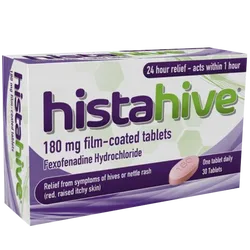
Histahive Fexofenadine 180mg Tablets Pack of 30 £9.18 save £3.81
-
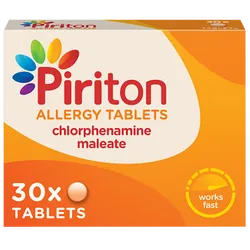
Piriton Allergy Tablets Pack of 30 £4.79 save £1.71
-
Cotton Wool Balls Pack of 200 £1.59 -
Butterfly Wound Closure Strips Pack of 36 £1.19 -
Medisure Latex Gloves Large Pack of 10 £1.79 -
Savlon Chickenpox Relief Cooling Gel 75g £9.89 save £2.10