What Bug Bit Me? How to Identify Common Insect Bites
In this guide
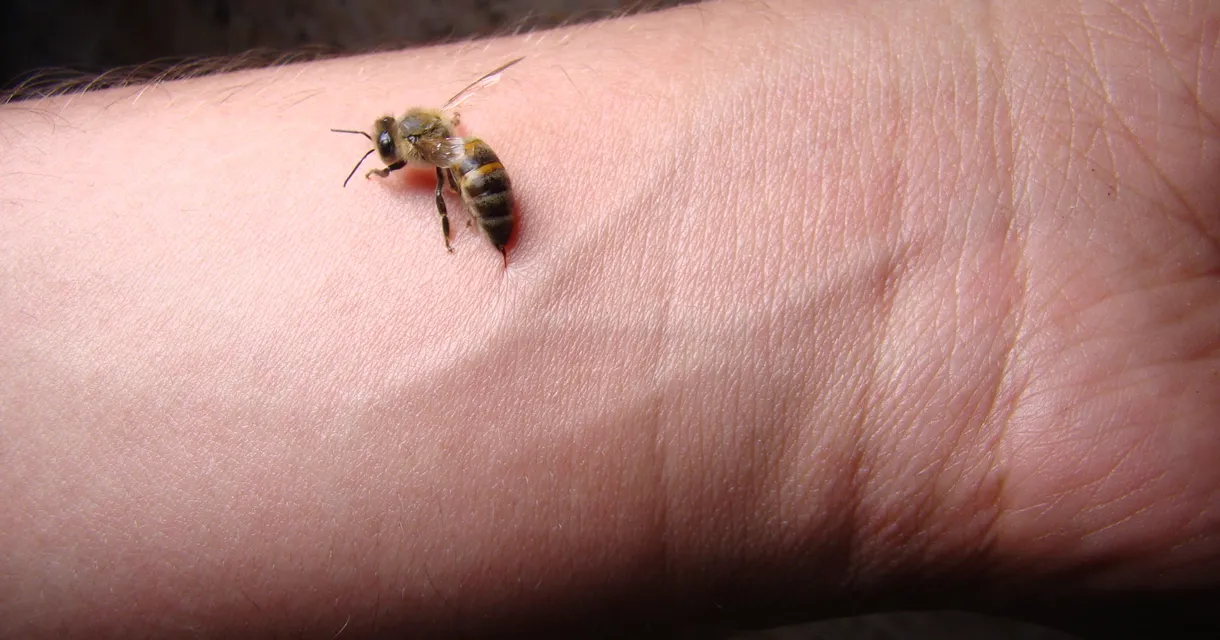
Woken up with a red, itchy mark and wondering “what bug bit me”? It can be difficult to tell, as many bites look similar at first. However, by looking closely at the shape, pattern, location and symptoms, you can often narrow it down.
How Do I Know What Bit Me? [Quick Identification Guide]
If you’re trying to identify what insect bit you, these quick clues can help you narrow it down:
- Clusters or lines of bites → likely bed bugs or fleas
- Single small itchy bump → usually a mosquito bite
- Painful, swollen bite → could be a horsefly or wasp sting
- Bites that appeared overnight → often bed bugs
- Bites after being outdoors (grass/woodland) → possibly a tick or mite
- Bites mainly around ankles or lower legs → commonly fleas
- Large red swelling with a burning feeling → likely a horsefly bite
- Tiny, very itchy bumps in clusters → could be mites (chiggers)
- A bite with a spreading circular rash → possible tick bite (seek advice)
- Sudden sharp pain followed by swelling → likely a bee, wasp or hornet sting
What Insect Bit Me: Common UK Bugs & How to Identify Them
Mosquito Bites
|
What it looks like |
Main symptoms |
What to do |
Common clues |
|
Small, round red bump, sometimes with a pale centre |
Itching, mild swelling, redness |
Apply anti-itch cream, avoid scratching, use cold compress (if needed) |
On exposed skin (arms, legs), more common in summer and near water |
Mosquito bites are one of the most common insect bites in the UK. If you’ve ever wondered why mosquito bites itch, it’s due to your immune system reacting to the insect’s saliva.
They usually appear randomly and are itchy rather than painful, which helps distinguish them from bites like horseflies.
Bed Bug Bites
|
What it looks like |
Main symptoms |
What to do |
Common clues |
|
Small red bumps in lines or clusters (“breakfast, lunch, dinner” pattern) |
Intense itching, skin irritation, swelling |
Wash bedding, vacuum thoroughly, use antihistamine cream |
Appear overnight, often on arms, neck or face |
The classic “breakfast, lunch, dinner” pattern refers to bites appearing in a line as bed bugs move across the skin while feeding. If you’re wondering “what bit me in my sleep?”, this is one of the most likely causes.
Flea Bites
|
What it looks like |
Main symptoms |
What to do |
Common clues |
|
Small red bumps with a central dot, often in clusters |
Intense itching, irritation, redness |
Apply anti-itch cream, clean area, treat pets if needed |
Common around ankles and lower legs |
Flea bites are often confused with bed bugs, but they tend to appear lower on the body, especially around the ankles. They usually occur in small clusters, particularly in homes with pets.
Read also: Do Pets Need Prescriptions? [Full Q&A about Pet Meds].
Bee, Wasp or Hornet Stings
|
What it looks like |
Main symptoms |
What to do |
Common clues |
|
Red swollen lump with a visible puncture point |
Sharp pain, burning, swelling, warmth |
Apply cold compress, take antihistamine, remove sting if present |
Sudden pain outdoors |
These are stings rather than bites, and they are usually immediately painful.
- Bees leave a stinger behind.
- Wasps and hornets can sting multiple times.
Swelling may increase over a few hours before settling.
Ant Bites
|
What it looks like |
Main symptoms |
What to do |
Common clues |
|
Small red bumps or spots, sometimes in clusters |
Mild pain, itching, slight swelling |
Clean area and apply soothing cream |
Common on feet or legs after outdoor activity |
Ant bites are usually mild but can become irritated if scratched. They are often picked up in gardens, parks or grassy areas.
Horsefly Bites
|
What it looks like |
Main symptoms |
What to do |
Common clues |
|
Large red swollen area, sometimes with broken skin |
Sharp pain, burning, swelling, possible bleeding |
Clean wound, apply cold compress, monitor for infection |
Common in countryside or near water |
Horsefly bites feel very different from mosquito bites. Instead of piercing the skin, they cut into it, which causes more pain and swelling. They can take a long time to heal and can be infected.
Spider Bites
|
What it looks like |
Main symptoms |
What to do |
Common clues |
|
Red or swollen area, sometimes with two small puncture marks |
Mild pain, redness, occasional swelling |
Clean and monitor, seek advice if worsening |
Rare in the UK, usually indoors |
Spider bites are uncommon in the UK and usually harmless. The “two holes” sign is often mentioned, but it’s not always visible.
Mite Bites
|
What it looks like |
Main symptoms |
What to do |
Common clues |
|
Tiny red bumps, often in clusters or skin folds |
Intense itching, irritation |
Wash skin and apply anti-itch cream |
After outdoor activity, especially in grass |
Mite bites are small but very itchy. They tend to appear in groups, especially in warm conditions.
Tick Bites
|
What it looks like |
Main symptoms |
What to do |
Common clues |
|
Small red spot or attached tick, sometimes with a dark centre |
Usually painless, mild irritation, bruising |
Remove tick carefully with tweezers and monitor |
After walking in grass, woods or countryside |
Ticks can carry bacteria that cause Lyme disease. In the early stages, some people develop a circular or “bullseye” rash around the bite. While not everyone gets this rash, it’s an important sign to watch for.
Lyme disease can become serious if left untreated, so seek medical advice if you notice a spreading rash, flu-like symptoms or feel unwell after a tick bite.
For more details about Lyme disease, watch the following video:
When to Worry About a Bug Bite?
Seek medical advice if you notice:
- Severe swelling (face, lips or throat)
- Difficulty breathing (possible allergic reaction)
- Signs of infection (pus, heat, worsening redness)
- A spreading rash (especially after tick bites)
- Fever or flu-like symptoms
- Persistent pain or blistering
- A bite that continues to worsen
How to Prevent Bug Bites
While you can’t always avoid insect bites, there are simple steps you can take to reduce your risk, especially during warmer months or when spending time outdoors:
- Use insect repellents regularly: Apply a suitable repellent on exposed skin, especially in the evening or near water.
- Cover exposed skin: Wear long sleeves, trousers and socks when walking in grassy, wooded or rural areas.
- Avoid peak insect activity times: Mosquitoes and midges are most active at dawn and dusk.
- Keep windows and doors protected: Use screens or keep windows closed at night to reduce indoor exposure.
- Check bedding and mattresses regularly: This is especially important if you suspect bed bugs or have recently travelled.
- Protect your home and pets: Treat pets for fleas and keep living areas clean and vacuumed.
- Shower after being outdoors: This can help remove mites or ticks before they attach to the skin.
- Check your skin after walks: Pay close attention to warm areas like behind the knees, underarms and around the waist for ticks.
Identifying Insect Bites — Conclusion
Most insect bites are harmless but uncomfortable. Knowing what caused them helps you manage symptoms and avoid future bites.
If your symptoms worsen or don’t improve, you can get expert bug bites treatment from Weldricks’ trained pharmacists for fast, reliable care!
FAQs
Why do some insect bites swell more than others?
It depends on your immune response. Some people react more strongly to insect saliva or venom.
Which are the most dangerous insect bites or stings?
The most dangerous insect bites are those that:
- transmit deadly diseases
- inject venom
- trigger severe allergic reactions (anaphylaxis)
- cause skin infections
The most concerning bites and stings in the UK include:
- Tick bites
- Bee, wasp or hornet stings
- Horsefly bites
- Spider bites
- Mite bites
Published 25th June 2026 by

Allan Green
Registered Pharmacist & Head of E-commerce
Allan has been a Registered Pharmacist for 25+ years
He specializes in Ecommerce and Over the Counter medicines.
He is a Registered Pharmacist, who studied at University of Bradford.
He has been with Weldricks since 2006, starting as a branch manager before moving into area management and deputy superintendent roles.
His current responsibilities include web development, marketing, content, customer service and web operations teams.