Back to School Prep: Essential Tips & How to Improve Your Kid’s Gut Health
In this guide
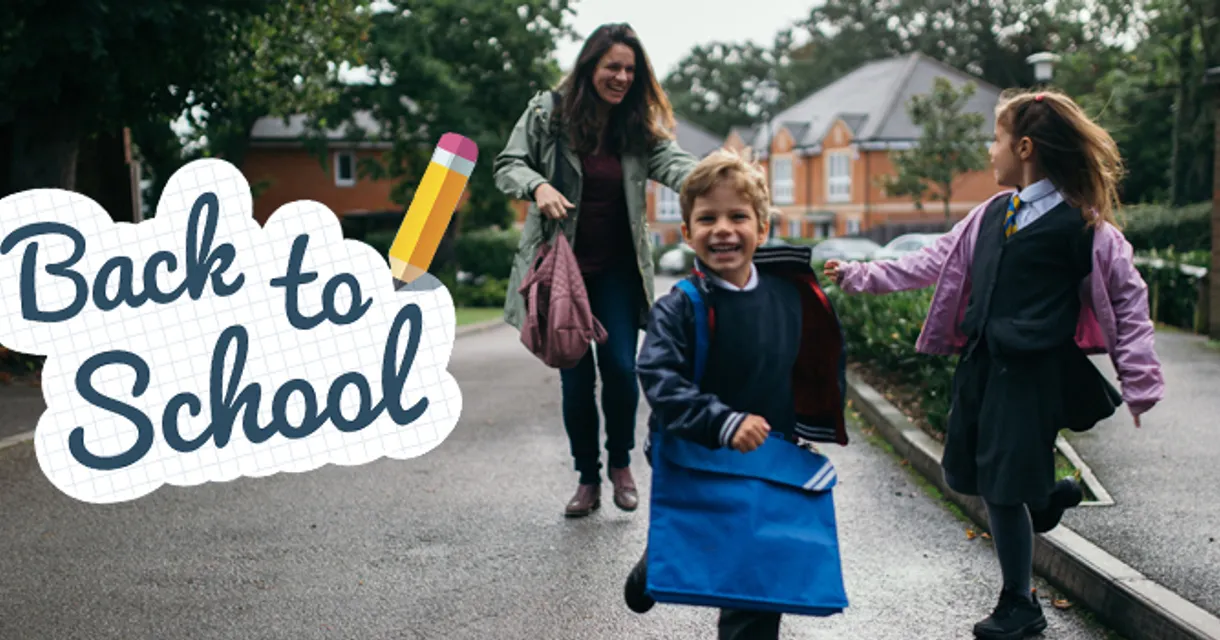
The start of a new school year means more than buying stationery and checking uniforms still fit.
A little back-to-school preparation can help children return to school feeling organised, rested and ready for the change in routine.
From resetting sleep schedules to preparing for playground accidents and supporting gut health, here are some practical steps parents can take before the first day back.
1. Get Their Sleep Routine Back on Track
Late nights and lie-ins can easily become the norm during the holidays, making the return to early school mornings more difficult.
Re-establishing a consistent sleep routine before term starts can help children adjust more smoothly and ensure they are getting enough rest for the school day.
To make the transition easier:
- Shift bedtime gradually: Move bedtime slightly earlier each night rather than making a sudden change.
- Wake them up earlier: Gradually bring morning wake-up times closer to their usual school schedule.
- Create a wind-down routine: Keep the period before bed calm and predictable with activities such as reading.
- Limit screens before bedtime: Reduce stimulating screen-based activities close to sleep.
- Get them moving in the morning: Open the curtains, let in natural light and encourage them to get up and start their day rather than staying in bed.
2. Practise the School Morning Routine
One of the most useful back-to-school tips for students (and parents) is to rehearse the morning before it actually matters.
Work backwards from the time you need to leave and establish a realistic routine that includes:
- Getting up and dressed
- Having breakfast
- Brushing teeth and getting ready
- Packing lunch and a water bottle
- Checking the school bag
- Putting on shoes and leaving on time
3. Prepare Bags, Uniforms & Supplies in Advance
The last thing you want is to discover a missing PE trainer or too-small jumper on the first morning back. Shopping for and organising school essentials early gives you enough time to replace anything your child has outgrown or lost and helps avoid a last-minute rush.
Make sure you have:
- School uniform and shoes
- PE kit and trainers
- Backpack
- Lunch box and reusable water bottle
- Stationery and pencil case
- Books or equipment requested by the school
- Any medicines or healthcare essentials they may need
Try to get your back-to-school shopping done well before the first day, then label belongings where appropriate and involve your child in getting everything organised.
Once term begins, preparing clothes, bags and lunches the night before can make school mornings much easier.
4. Prepare for Cuts, Grazes & Playground Accidents
Playgrounds, PE lessons and after-school sports inevitably come with the occasional scraped knee, minor cut or blister, so make sure your first aid supplies are well stocked before term begins.
Useful essentials include:
- Plasters in different sizes: For covering everyday minor cuts and grazes. Explore Leukoplast plasters and wound-care products to find options for different needs.
- Waterproof plasters: Particularly useful for swimming lessons or situations where a dressing may get wet.
- Sterile dressings: For covering larger cuts or grazes that cannot be adequately protected with a standard plaster.
- Antiseptic products: Useful for cleaning minor wounds and helping reduce the risk of infection. Consider Sudocrem or Savlon antiseptic cream.
- Medical tape: Helps secure dressings in place where needed.
- Disposable gloves: Useful when cleaning or dressing someone else’s wound.
5. Re-establish Regular, Balanced Meals
Holiday eating patterns can become rather different from school-day routines. Before term begins, start moving back towards regular breakfast, lunch and evening meal times.
Breakfast is particularly useful for restoring the morning routine. Aim for a varied, balanced diet that includes different food groups, such as:
- Fruits and vegetables
- Wholegrain or other starchy carbohydrates
- Protein-rich foods
- Dairy
6. Encourage Good Hygiene Habits
Returning to classrooms means children are once again spending their days in close contact with lots of other people.
Refresh the basics before term starts by reminding children to:
- Wash their hands with soap and water, particularly after using the toilet and before eating.
- Cover coughs and sneezes with a tissue and dispose of used tissues promptly.
- Avoid sharing personal items, such as water bottles, with other children.
For extra hygiene support on-the-go, explore Weldricks’ range of hand hygiene products!
How to Improve Children’s Gut Health Before School
A return to school changes meal times, sleep, activity levels, and even toilet routines. These are all factors that can influence digestion.
“Gut health” broadly refers to how well the gastrointestinal system functions, including the community of microorganisms living within it, known collectively as the gut microbiome.
Here are some practical ways to support your child’s gut health before they return to school:
1. Offer a Varied, Fibre-Rich Diet
A varied diet that includes plenty of fibre-rich foods can help support your child’s digestive health and gut microbiome. Depending on their age and what they tolerate, regularly offer foods such as:
- Fruit and vegetables (apples, pears, berries, carrots, broccoli, peas)
- Wholegrains (oats, wholegrain cereals, wholemeal bread, wholewheat pasta)
- Pulses (beans, lentils, chickpeas)
- Nuts and seeds, where age-appropriate and safe
It can also be useful to include foods containing prebiotics and probiotics:
- Prebiotics are types of fibre that provide a food source for beneficial gut bacteria. They occur naturally in foods such as onions, garlic, bananas, oats and certain vegetables.
- Probiotics are live microorganisms found in certain fermented foods and products. Live yoghurt is one of the easiest child-friendly dietary sources; look for products that state they contain live or active cultures.
Expert tip: Increase fibre gradually rather than suddenly, particularly if your child currently eats relatively little, and make sure they are also drinking enough fluids.[1]
2. Keep Them Well Hydrated
Fibre and fluid work together to support normal bowel movements. Not drinking enough can contribute to harder stools and constipation, something that may become particularly troublesome when children return to a busy school routine.
Encourage water regularly throughout the day and send your child to school with a suitable reusable bottle if their school permits it.
For children who regularly forget to drink, a marked bottle can provide a simple visual reminder of how much they have had throughout the day.
Read also: Constipation Relief: Simple Remedies That Work.
3. Maintain Regular Meal & Toilet Routines
The digestive system also benefits from consistency. Re-establishing regular meals and snacks before term begins can make the transition from holiday routines easier.
Do not encourage children to ignore the urge to poo simply because they are busy or uncomfortable using a school toilet. Regularly holding stools can contribute to constipation. At home, younger children who struggle with this may benefit from relaxed toilet time after meals, with their feet properly supported.
Persistent constipation in children should be discussed with a healthcare professional rather than managed through diet alone.
4. Keep Children Active
Physical activity supports general health and can also help maintain normal bowel function.
Once school starts, opportunities may naturally include PE lessons, playground games and walking to school.
Before term begins, simply encourage regular movement through activities your child enjoys, such as cycling, swimming, playing outdoors, walking the dog, etc.
5. Consider Gut Health Supplements
Probiotic and prebiotic supplements may be considered alongside a healthy diet, but they should not replace a varied, balanced diet and are not necessary for every child. Probiotic benefits can also vary between specific strains.
If you’re considering children’s gut health supplements, choose an age-appropriate product and follow the instructions. Ask a pharmacist or healthcare professional if your child has persistent digestive symptoms or you are unsure what is suitable.
You can browse Weldricks’ vitamins and supplements to find the right options that can complement your child’s balanced diet!
Signs of Poor Gut Health in Children
- Frequent abdominal pain or discomfort
- Persistent or recurring bloating
- Constipation or difficulty passing stools
- Frequent or persistent diarrhoea
- Noticeable changes in bowel habits
- Excessive wind
- Nausea or reduced appetite
Back to School Preparation — Summary
A smoother return to school starts before the first morning. Restoring routines, preparing essentials in advance, encouraging good hygiene and supporting healthy eating, hydration and activity can make the transition easier for the whole family.
And because bumps and grazes rarely appear on the timetable, make sure you're prepared for everyday mishaps too. Explore Weldricks’ range of first aid supplies to keep useful essentials ready when your family needs them!
FAQs
What should parents do the night before the first day of school?
Keep the evening as straightforward as possible. Lay out uniforms and shoes, pack school and PE bags, prepare anything needed for breakfast or lunch and check the following day's timings. Aim for a normal, relaxed bedtime rather than using the final evening for last-minute preparation.
What should I do if my child is nervous about going back to school?
Encourage them to explain what specifically is worrying them rather than immediately trying to reassure them that there is nothing to fear. Practical preparation (such as reviewing the journey, discussing their new routine or identifying an adult at school they can approach) may make uncertainties feel more manageable.
What should I do if my child avoids using the toilet at school?
First find out why. Children may dislike the lack of privacy, cleanliness, noise or rules around accessing school toilets. Explain that regularly holding in poo can contribute to constipation, and speak to their teacher or school if practical barriers are preventing them from going when necessary.
Published 9th August 2019 by

Allan Green
Registered Pharmacist & Head of E-commerce
Allan has been a Registered Pharmacist for 25+ years
He specializes in Ecommerce and Over the Counter medicines.
He is a Registered Pharmacist, who studied at University of Bradford.
He has been with Weldricks since 2006, starting as a branch manager before moving into area management and deputy superintendent roles.
His current responsibilities include web development, marketing, content, customer service and web operations teams.
Related Products
-
Leukoplast Leukosan Wound Strips Pack of 9 £3.25 save £0.51
-
Leukoplast Elastomull Elastic Bandage 8cm x 4m Pack of 2 £3.55 save £1.44
-
Leukoplast Professional Barrier Plasters Pack of 20 £2.95 save £0.09
-
Leukoplast Leukomed T Plus Wound Dressing 8cm x 10cm Pack of 5 £3.69 save £2.42
-
Leukoplast Skin Sensitive Tape 2.5cm x 2.6m £3.99 save £0.89
-
Leukoplast Sleek Waterproof Tape 2.5cm x 3m £2.48 -
Leukoplast Professional Aqua Pro Plasters Pack of 20 £2.95 -
Leukoplast Professional Strong Plasters Pack of 20 £2.55 save £0.50
-
Leukoplast Leukomed Absorbent Plus Wound Dressing 5cm x 7.2cm Pack of 5 £2.85 save £1.12
-
Leukoplast Soft White Plasters Pack of 20 £2.85 save £0.10
-
Alvita Cotton Wool Balls Pack of 100 £1.29 save £0.19
-
Care Antiseptic Cream 30g £1.48 save £0.51
-
Safe & Sound Styptic Pencil 7.5g £1.69 save £0.40
-
Savlon Wound Cleansing Wipes Plastic Free Pack of 10 £2.58 save £0.41
-
Cohesive Bandage Blue 7.5cm x 4.5m £1.19 -
Butterfly Wound Closure Strips Pack of 36 £1.19