Insect Bite Emergency: When Should You Worry?
In this guide
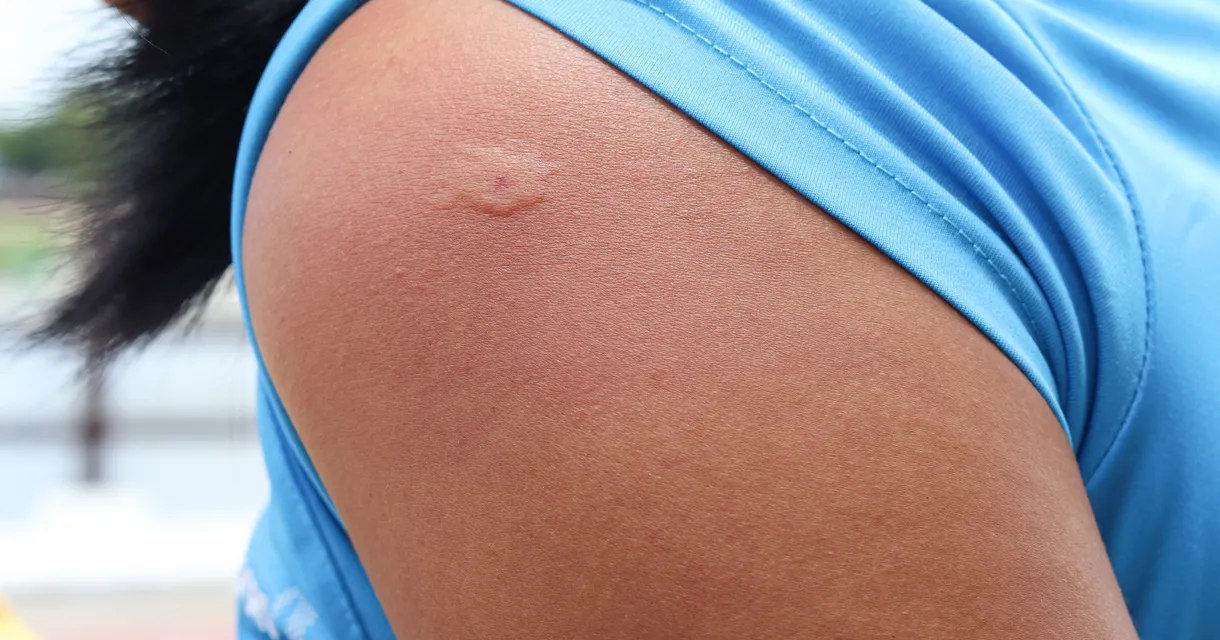
Most insect bites and stings cause mild itching, redness, pain or swelling and get better within a few days. However, an insect bite can sometimes become infected or cause a serious allergic reaction.
So, when should you worry about an insect bite, and which symptoms could signal an emergency?
Key Takeaways
- Most insect bites cause mild redness, itching, or swelling, and gradually improve without medical treatment.
- Increasing pain, heat or swelling, pus or discharge, fever and feeling unwell can indicate that a bite has become infected and needs medical attention.
- An expanding bullseye-like rash after a tick bite can be a sign of Lyme disease and should be assessed by a healthcare professional.
- Infected insect bites can sometimes lead to complications such as anaphylaxis, cellulitis, lymphangitis or impetigo, which may require antibiotic treatment.
- Anaphylaxis and sepsis are medical emergencies. Breathing difficulties, swelling of the mouth or throat, confusion, very fast breathing, or feeling extremely unwell require immediate medical help.
What Does a Normal Insect Bite Look Like?
Most insect bites cause a mild local reaction that gradually improves on its own. Signs of a normal insect bite can include:
- A small, raised or swollen lump around the bite
- Redness or a change in skin colour around the affected area
- Itching, which can sometimes be intense
- Mild pain or tenderness
- Localised swelling
- Several small bite marks grouped together, depending on the insect
Redness and itching can sometimes last for up to 10 days without indicating an infection.
A skin reaction that develops quickly after a bite is also more likely to be inflammatory or allergic rather than bacterial.
What matters is how your symptoms progress: a normal reaction should generally improve rather than become increasingly painful, hot or swollen.
Not sure what caused the mark? Our guide can help you identify what bug may have bitten you.
When Is An Insect Bite Serious? 6 Red Flags
An insect bite should receive closer attention if it gets progressively worse rather than gradually improving. Here are the main warning signs to look for:
1. Increasing Redness, Heat or Swelling
Some swelling after a mosquito bite, bee sting or other bite is normal. However, seek advice if the area becomes increasingly hot, painful or swollen, particularly if the redness starts spreading away from the original bite.
Bear in mind that redness can be harder to see on brown or black skin, so also pay attention to changes in temperature, swelling and pain.
2. Pus or Discharge From the Bite
Pus or other discharge may indicate that the skin has become infected.
Secondary infection can develop when bacteria enter broken skin, and scratching an itchy bite can increase this risk. Avoid scratching or picking at bites wherever possible.
3. Pain That Keeps Getting Worse
Mild pain or tenderness can occur after being bitten or stung. However, increasing pain rather than gradual improvement can be a warning sign.
Seek medical help if the bite worsens rapidly or significantly. Severe pain that seems out of proportion to the appearance of the bite also requires medical assessment.
4. Fever, Swollen Glands or Feeling Unwell
A high temperature, swollen glands or feeling generally unwell alongside a worsening bite can indicate a more significant problem.
Seek medical advice, particularly if these symptoms appear alongside increasing redness, swelling or pain.
5. A Bullseye-Like Rash After a Tick Bite
Look out for an expanding round or oval rash following a tick bite. Known as erythema migrans, this can be a sign of Lyme disease.
It usually develops 1–4 weeks after a tick bite, although it can appear anywhere from 3 days to 3 months later.
6. A Bite or Sting in a High-Risk Area
Seek medical advice for bites or stings inside the mouth or throat or around the eyes. You should also get advice after a bite from an unusual or exotic insect or spider, or if you develop fever or persistent skin lesions following a bite received abroad.
Insect Bite Emergency: Serious Complications & What to Do
Some reactions and complications require urgent or emergency medical attention.
1. Severe Allergic Reaction (Anaphylaxis)
Anaphylaxis is a life-threatening allergic reaction that can develop very quickly, including after an insect bite or sting.
Signs of anaphylaxis include:
- Sudden swelling of the lips, mouth, tongue, or throat
- Difficulty breathing or very fast breathing
- Tightness in the throat or difficulty swallowing
- Severe dizziness, confusion, or fainting
- Blue, grey or pale skin, lips or tongue
What should you do?
Call 999 immediately and say you suspect anaphylaxis. If the person has a prescribed adrenaline auto-injector, use it according to their emergency plan and instructions.
2. Cellulitis
Cellulitis is a bacterial infection affecting the deeper layers of the skin and can develop when bacteria enter through damaged skin after a bite.
The affected area typically becomes painful, hot, and swollen, and symptoms may spread beyond the original bite. Suspected cellulitis should be assessed by a healthcare professional, as antibiotic treatment may be required.
What should you do?
Seek prompt medical or pharmacy advice, as antibiotic treatment may be required. Don’t try to treat it yourself.
3. Lymphangitis
Lymphangitis occurs when a bacterial infection spreads into the lymphatic vessels. An infected insect bite can provide an entry point for the bacteria.
Some of the most characteristic signs include:
- Red streaking extending from the infected area towards nearby lymph nodes
- Swollen or tender glands
- Fever
- Chills
- Feeling unwell
What should you do?
Seek prompt medical attention if you notice red streaks spreading from an infected bite, particularly if you also have fever or feel unwell. Antibiotic treatment is usually required.
4. Impetigo
An insect bite can sometimes develop a secondary bacterial skin infection such as impetigo, particularly when repeated scratching breaks the skin.
Look for sores or blisters that burst and leave golden-brown crusts, with new lesions potentially developing around the original area.
What should you do?
Avoid scratching or touching the sores and speak to a pharmacist or other healthcare professional for assessment. Treatment depends on how widespread the impetigo is and may include an antiseptic cream or antibiotics.
Read also: What Is Impetigo? How It Spreads, Symptoms & Treatment.
5. Sepsis
In rare cases, an infection can contribute to sepsis, a life-threatening reaction to an infection that requires urgent hospital treatment.
Possible warning signs include:
- Confusion or slurred speech
- Difficulty or very fast breathing
- Blue, grey, pale, or blotchy skin, lips or tongue
- A rash that does not fade when pressed
- Feeling extremely unwell
- High fever
- Decreased urination
What should you do?
Treat suspected sepsis as a medical emergency and seek immediate medical help. Do not wait for every possible symptom to develop.
How to Treat a Mild Insect Bite
Most uncomplicated insect bites and stings can be managed at home. Wash the affected area with soap and water and remove any remaining sting or tick correctly.
You can also:
- Apply a cold compress for at least 10-15 minutes if swollen.
- Use hydrocortisone cream to reduce inflammation.
- Take antihistamines to treat itching and reduce swelling.
- Apply calamine lotion.
- Ask a pharmacist about antihistamines for itching.
- Avoid scratching, as this can damage the skin and increase the risk of infection.
- Keep the area clean.
Need help controlling the itch? Read our guide on how to stop insect bites from itching or explore our range of insect repellents to keep insects away.
When to Worry About an Insect Bite — Final Word
Most insect bites settle without complications, but worsening pain, heat, swelling, discharge, or feeling unwell should not be ignored. Breathing difficulties, throat swelling or signs of a serious systemic reaction require emergency medical attention.
Think your bite may be infected? Get professional advice and appropriate insect bites treatment from the Weldricks Pharmacy team!
FAQs
How long does an infected insect bite take to heal?
Healing time depends on the severity of the infection and the treatment required. Seek further medical advice if the bite continues to worsen or does not begin improving with treatment.
Can an infected insect bite leave a scar?
It can, particularly if the infection causes significant skin damage or the area is repeatedly scratched or picked.
Published 14th October 2026 by

Richard Hackett
Director of Pharmacy Service
My first role in Weldricks was as a Saturday assistant before starting at Bradford University, where I obtained a Master of Pharmacy Degree and qualified as a Pharmacist in 2005.
I started my career as a Pharmacist as the manager of our Swinton branch, before moving between several branches and completing a Clinical post-graduate diploma from Keele University in 2010. After re-joining the company in 2019, I’ve held a number of field and central roles before moving into my current position in 2025. I am responsible for the safe and effective running of our Pharmacy Network, working with all different functions to make this happen.