How to Organise Your Medicine Cabinet: Storage Tips & Essential Checklist
In this guide
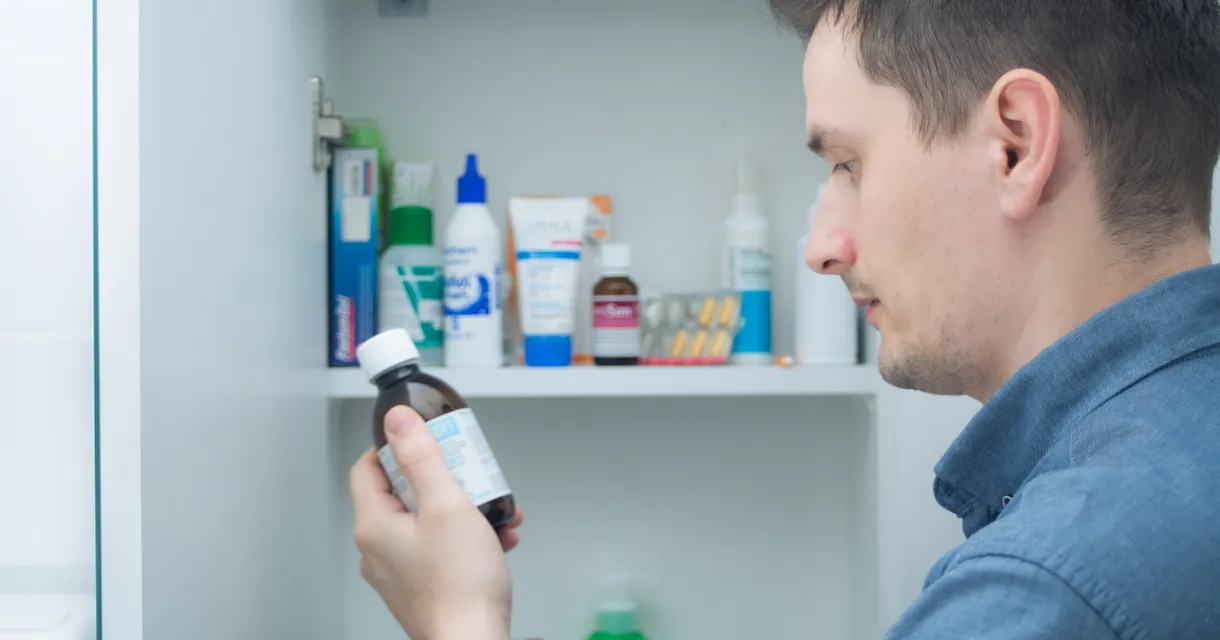
A well-organised medicine cabinet makes it easier to find what you need when someone in your household is unwell, while also helping you store medicines safely and reduce waste.
From choosing the right storage location to grouping medicines by category, a few simple organisation tips can make your medicine cabinet safer, tidier, and easier to use.
Let's look at the best ways to organise your medicine cupboard safely and efficiently:
1. Store Medicines in the Right Place
One of the biggest mistakes people make is storing medicines in a bathroom medicine cupboard. Although convenient, bathrooms are often warm and humid, which can affect how some medicines are stored.
Instead, choose a location that is:
- Cool and dry
- Away from direct sunlight
- Out of the reach and sight of children
- Easy to access in an emergency
Always follow the storage instructions on the medicine packaging, as some medicines may require refrigeration.
2. Group Medicines by Category
Rather than storing everything together, organise your medicines into clearly defined categories. This makes it much easier to find what you need quickly. For example, you could create separate sections for:
- Pain relief
- Cold and flu medicines
- Allergy treatments
- Digestive health
- First aid supplies
- Children's medicines
- Prescription medicines
3. Keep Medicines in Their Original Packaging
Avoid transferring tablets into unlabelled containers or throwing away the original boxes. Keeping medicines in their original packaging helps you quickly check:
- Expiry dates
- Dosage instructions
- Active ingredients
- Safety warnings
- Patient information leaflets
This also makes it easier to identify whether you're taking a branded medicine or a generic equivalent. If you're unsure about the difference, our guide to generic vs original drugs explains what you need to know.
4. Check Expiry Dates Regularly
Even the most organised medicine cupboard should be checked every few months. Take a few minutes to:
- Remove expired medicines
- Check damaged or opened products
- Replace items you've used
- Restock everyday essentials before they're needed
Pharmacist tip: Never throw unwanted medicines into household waste or flush them down the toilet. Instead, read our guide explaining how to dispose of old medication safely.
5. Use Storage Boxes, Drawers or Shelf Organisers
Using dedicated storage containers makes it much easier to keep your medicine cupboard tidy. Helpful organisation ideas include:
- Clear storage boxes
- Drawer dividers
- Small labelled baskets
- Stackable storage trays
- Pill organisers (where appropriate)
Choose a system that works for your household and helps everyone find medicines quickly when needed.
6. Separate Everyday Medicines from Emergency Supplies
Not every medicine is used equally often.
Keep regularly used items (such as pain-relief products or allergy medicines) toward the front, while storing emergency supplies separately so they're easy to locate when needed.
This simple step can save valuable time during minor illnesses or injuries.
7. Keep Prescription Medicines Separate
Prescription medicines should ideally be stored separately from over-the-counter products, particularly if different family members take regular medication.
This helps reduce the risk of confusion and ensures medicines are only taken by the person they were prescribed for.
What Should I Have in My Medicine Cupboard? Essential Checklist
Every household is different, but most medicine cupboards should contain a selection of everyday healthcare essentials. Your checklist might include:
Pain & Fever
- Pain relief medicines (such as paracetamol or ibuprofen)
- A digital thermometer
- A reusable hot or cold pack
Cold, Flu & Allergy
Digestive Health
- Indigestion or heartburn remedies
- Diarrhoea relief medicines
- Oral rehydration sachets
- Constipation relief products
First Aid Supplies
- Plasters in various sizes
- Sterile dressings
- Bandages
- Medical tape
- Antiseptic cream or antiseptic wipes
- Tweezers
- Small scissors
- Disposable gloves
By the way, browse our range of first aid supplies and find everything you need!
Everyday Essentials
- Hand sanitiser
- Emergency contact numbers (e.g., the GP surgery, your local pharmacist, etc.)
- Dosing spoon or oral syringe
Review your checklist regularly and replace any items that have expired or been used.
How to Organise A Medicine Cupboard — Conclusion
Keeping your medicine cupboard organised makes it easier to find the right treatment when you need it most while helping you store medicines safely and responsibly.
Order your medicine online from Weldricks Pharmacy to keep your medicine cupboard stocked with trusted everyday healthcare essentials for the whole family!
FAQs
Where is the best place to put a medicine cabinet?
The best place is a cool, dry location away from direct sunlight and moisture, such as a bedroom cupboard or a hallway cabinet. Avoid storing medicines in the bathroom, as heat and humidity may affect their quality.
How often should I replace medicines?
Check your medicine cupboard at least every six months. Replace expired medicines, replenish everyday essentials, and safely dispose of medicines you no longer need through your local pharmacy.
Published 28th September 2026 by

Allan Green
Registered Pharmacist & Head of E-commerce
Allan has been a Registered Pharmacist for 25+ years
He specializes in Ecommerce and Over the Counter medicines.
He is a Registered Pharmacist, who studied at University of Bradford.
He has been with Weldricks since 2006, starting as a branch manager before moving into area management and deputy superintendent roles.
His current responsibilities include web development, marketing, content, customer service and web operations teams.