What Is Shingles (Herpes Zoster): Causes, Symptoms & Treatment
In this guide
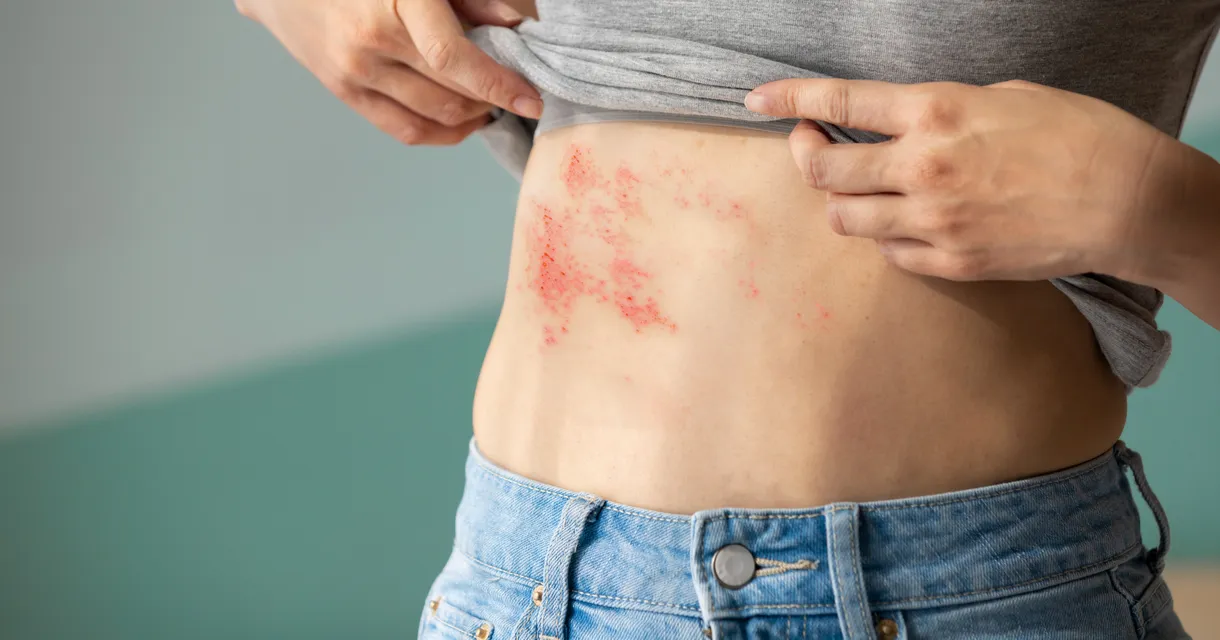
Shingles (also known as herpes zoster) is a viral infection that causes a painful skin rash, usually affecting one side of the body or face.
It develops when the varicella-zoster virus reactivates years after the original infection.
While shingles often clears within a few weeks, early diagnosis and treatment can help reduce symptom severity and lower the risk of complications.
Key Takeaways
- Shingles is caused by the reactivation of the varicella-zoster virus, which remains dormant in the body after a previous chickenpox infection.
- The condition typically causes a painful, one-sided rash with fluid-filled blisters, often preceded by tingling, burning or nerve pain several days earlier.
- Older adults and people with weakened immune systems are at the highest risk of developing shingles and experiencing complications.
- Starting antiviral treatment within 72 hours of the rash appearing can help shorten the illness, reduce symptom severity and lower the risk of complications.
- Vaccination is the most effective way to help prevent shingles, while covering the rash and avoiding direct contact with vulnerable people can help reduce the risk of spreading the varicella-zoster virus.
What Is Shingles Caused By & How Does It Develop?
Shingles is caused by the reactivation of the varicella-zoster virus (VZV), the same virus that causes chickenpox. Rather than catching a new infection, shingles develops when a virus already present in your body becomes active again.
The process typically happens as follows:
- You develop chickenpox, usually during childhood, after becoming infected with the varicella-zoster virus.
- After recovery, the virus remains dormant inside your nerve cells, often for many years without causing any symptoms.
- The virus reactivates, usually because the immune system is less able to keep it under control.
- It travels along the affected nerve to the skin, causing inflammation and the characteristic painful rash with fluid-filled blisters.
Who Is Most at Risk of Shingles?
Although anyone who's had chickenpox can develop shingles, some people are more likely to experience the condition than others. The following factors can increase the likelihood of the dormant varicella-zoster virus reactivating:
- Being 50 years of age or older, as the immune system naturally becomes less effective with age.
- Having a weakened immune system due to conditions such as HIV, cancer or autoimmune diseases.
- Taking immunosuppressant medicines, including some corticosteroids and medicines used after organ transplantation.
- Receiving cancer treatments, such as chemotherapy or radiotherapy, which can temporarily reduce immune function.
- Living with long-term physical or emotional stress, which may affect the body's ability to keep the virus inactive.
Having one or more of these risk factors doesn't necessarily mean you'll develop shingles. However, they can make the virus more likely to reactivate, particularly when combined with increasing age or reduced immune function.
What Does Shingles Look Like?
The shingles rash has several distinctive features that often make it easier to recognise than other skin conditions. Although its appearance changes as it develops, it typically follows a predictable pattern.
The rash typically:
- Appears on one side of the body or face only.
- Follows the path of a single nerve, creating a strip or band-like pattern.
- Begins as red patches before developing into clusters of small, fluid-filled blisters.
- Progresses through several stages, with the blisters eventually bursting, drying out and forming crusts or scabs.
- Most commonly affects the chest, abdomen, back, or waist, although it can also appear on the face, neck or around the eye.
Because the rash usually affects only one side of the body, shingles often looks very different from widespread conditions, such as chickenpox or allergic skin rashes.
What Are the Symptoms of Shingles?
Shingles symptoms usually develop gradually. Many people notice pain or unusual skin sensations before the rash appears, while others continue to experience discomfort throughout the infection and, in some cases, even after the rash has healed.
Early Symptoms (Before the Rash)
The first signs of shingles often appear one to five days before the rash develops and may include:
- Tingling, burning, or itching in one area of the skin
- Sharp, stabbing, or aching pain
- Increased sensitivity to touch
- Headache (by the way, see how to get rid of headaches)
- Feeling generally unwell
- Occasionally, a mild fever
Symptoms After the Rash Appears
As the infection progresses, you may also experience:
- Persistent or worsening nerve pain
- Fatigue
- Swollen lymph nodes
- Sensitivity to light
- Ongoing nerve pain after the rash has healed (known as post-herpetic neuralgia)
What Are the Possible Complications of Shingles?
Most people recover fully from shingles without long-term problems. However, some people (particularly older adults and those with weakened immune systems) may develop complications.
The most common complications include:
1. Post-Herpetic Neuralgia (PHN)
The most common complication of shingles is post-herpetic neuralgia (PHN). This occurs when damaged nerves continue sending pain signals after the rash has healed. For some people, the pain lasts for several months and can occasionally persist for a year or longer.
Possible treatment options for PHN include:
- Pain relievers, such as paracetamol
- Medicine to treat nerve pain, such as amitriptyline, duloxetine, or pregabalin
- Plasters containing lidocaine
- Tramadol, for severe pain
2. Eye Complications
If shingles affects the eye or the surrounding area (herpes zoster ophthalmicus), it can cause inflammation affecting the eye itself. Without prompt treatment, this may lead to permanent vision problems.
3. Secondary Bacterial Skin Infection
The blisters can occasionally become infected with bacteria, causing increased redness, swelling, warmth, pus, or worsening pain.
4. Neurological Problems
Although uncommon, shingles can sometimes lead to more serious complications, including:
- Hearing loss or facial weakness (when the ear is affected)
- Balance problems
- Encephalitis (inflammation of the brain)
When Should I See a Doctor?
If you think you may have shingles, it's important to seek medical advice as soon as possible, ideally within 72 hours of the rash appearing. Starting antiviral treatment early can help shorten the illness and reduce the risk of complications.
You should seek prompt medical advice if:
- The rash affects your eye, eyelid, forehead or nose.
- You have a weakened immune system.
- The pain is severe or becoming worse.
- The rash is widespread or affecting more than one area of the body.
- You develop signs of a bacterial skin infection, such as increasing redness, swelling, pus, or fever.
- You're pregnant and think you may have shingles.
Even if your symptoms seem mild, it's still worth seeking advice as early treatment is most effective during the first few days of the illness.
Is Shingles Contagious?
Shingles itself is not contagious, but the varicella-zoster virus can spread from a person with active shingles to someone who has never had chickenpox or hasn't been vaccinated against it. In these cases, the exposed person would develop chickenpox, not shingles.
How Is Shingles Treated?
Although shingles usually improves on its own, treatment can help reduce symptom severity, shorten the duration of the illness, and lower the risk of complications.
The main treatment options for shingles include:
1. Antiviral Medicines
Prescription antiviral medicines are the main treatment for shingles. These include:
- Aciclovir (Zovirax)
- Valaciclovir (Valtrex)
- Famciclovir
These medicines work by slowing the replication of the varicella-zoster virus. While they don't cure shingles, they can help:
- Shorten the duration of the illness.
- Reduce the severity of symptoms.
- Lower the risk of certain complications, including post-herpetic neuralgia.
Pharmacist tip: Antiviral treatment is most effective when started within 72 hours of the rash appearing, although it may still be recommended later in some situations.
2. Pain Relief
Shingles can be extremely painful, so pain relief is often an important part of treatment. Depending on the severity of your symptoms, your healthcare professional may recommend:
- Paracetamol or ibuprofen (if suitable) for mild to moderate pain.
- Stronger prescription painkillers if OTC medicines aren’t providing enough relief.
- Lidocaine creams or patches to help numb the affected area.
- Medicines used to treat nerve pain, such as certain anticonvulsants or tricyclic antidepressants, particularly if pain is severe or persists after the rash has healed.
- In some cases, specialist treatments, such as corticosteroid and local anaesthetic injections, may be considered for persistent or difficult-to-manage pain.
You can explore Weldricks' range of pain relief products to help manage discomfort.
3. Self-Care Measures
Alongside medication, simple self-care measures can help improve comfort while the rash heals. These include:
- Keeping the rash clean and dry.
- Wearing loose-fitting clothing to reduce irritation.
- Applying cool compresses to soothe the affected skin.
- Getting plenty of rest.
- Staying well hydrated.
- Avoiding scratching the blisters to reduce the risk of infection and scarring.
How Can I Prevent Shingles and Stop It from Spreading?
Although shingles can't always be prevented, there are several steps you can take to reduce your risk and help protect others if you develop the condition.
1. Get Vaccinated
Vaccination is the most effective way to reduce the risk of developing shingles and its complications.
In the UK, the shingles vaccine is offered to eligible adults through the NHS. It significantly reduces the likelihood of developing shingles and can also reduce the severity of illness if shingles does occur.
Most people can safely receive the shingles vaccine. However, it isn't recommended if you've had a severe allergic reaction (anaphylaxis) to a previous dose or to any of the vaccine's ingredients.
2. Reduce the Risk of Transmission
If you have shingles:
- Keep the rash covered whenever possible.
- Avoid touching or scratching the blisters.
- Wash your hands regularly.
- Avoid close contact with vulnerable individuals (e.g., pregnant women, premature infants, people with weakened immune systems) until the blisters have crusted over.
- Stay away from swimming pools and contact sports while the rash is active.
Shingles — Summary
Early diagnosis and prompt treatment can help reduce the severity of shingles and lower the risk of complications. If you think you may have shingles or would like professional assessment and advice, learn more about Weldricks' shingles treatment service and how it may be able to help.
FAQs
Can I get shingles more than once?
Yes, you can, but it’s uncommon.
How long does a shingles episode usually last?
For most people, shingles lasts between 3 and 5 weeks. Pain often begins a few days before the rash appears, while the blisters usually crust over within 7 to 10 days before gradually healing.
Is shingles dangerous?
Most cases are mild and resolve without serious problems. However, shingles can occasionally lead to complications, particularly in older adults, people with weakened immune systems or when it affects the eyes. Prompt treatment helps reduce these risks.
Published 28th September 2026 by
Allan Green
Registered Pharmacist & Head of E-commerce
Allan has been a Registered Pharmacist for 25+ years
He specializes in Ecommerce and Over the Counter medicines.
He is a Registered Pharmacist, who studied at University of Bradford.
He has been with Weldricks since 2006, starting as a branch manager before moving into area management and deputy superintendent roles.
His current responsibilities include web development, marketing, content, customer service and web operations teams.