What Is Chickenpox: Causes, Symptoms, Stages & Treatments
In this guide
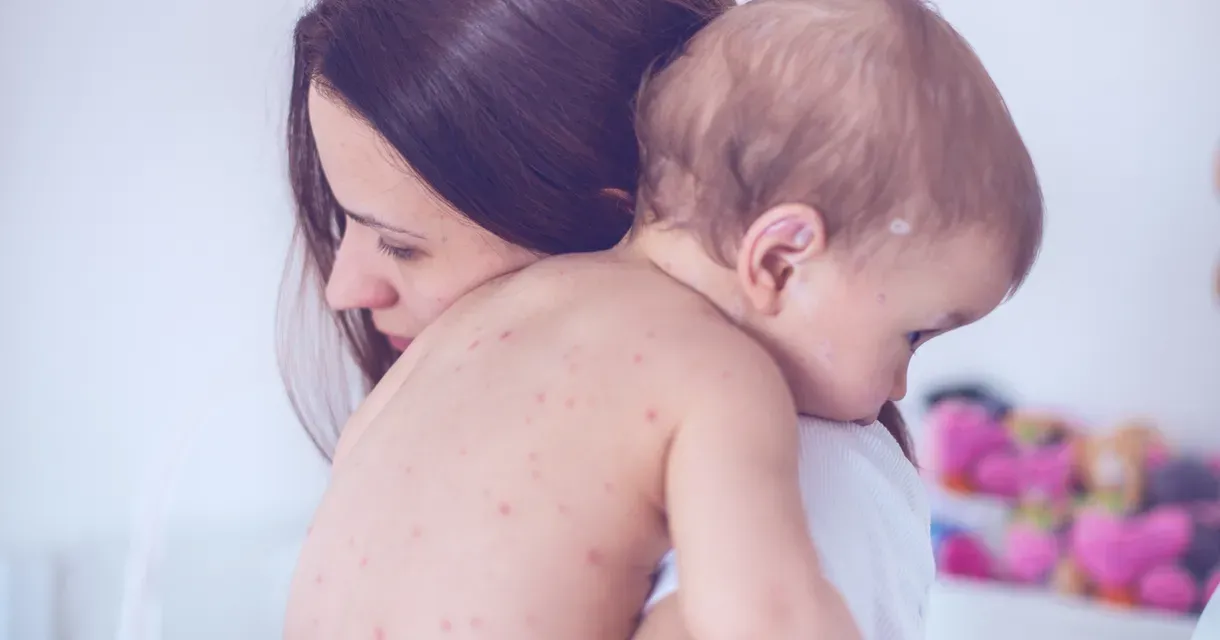
Chickenpox remains one of the most contagious childhood infections. While often mild, it can pose risks for certain groups.
In this Weldricks guide, we cover everything from early symptoms and stages to proven treatments, home care remedies, and prevention tips, so that you can recognise, treat, and manage chickenpox safely and confidently.
What Is Chickenpox?
Chickenpox is a common infection caused by the varicella-zoster virus (VZV).
You can catch chickenpox at any age, but it is most common among children under 10 years old due to their still-developing immune systems.
Chickenpox is also more common in adults who have a weakened immune system due to an illness or immunosuppressive medications, HIV/AIDS or cancer, transplants, or chemotherapy, as these can make people more vulnerable to the virus.
It appears more often during the spring, but it can occur at any time of year.
Chickenpox Statistics
Let’s take a look at some numbers concerning chickenpox:
- According to the World Health Organisation, over 90% of people were infected with chickenpox by adolescence before the introduction of vaccination.
- It’s estimated that in the UK, 9 out of 10 people have had chickenpox by the age of 15 years.
- According to the Centres for Disease Control and Prevention (CDC), in the pre-vaccine era, about 11,000 people with varicella required hospitalisation every year. Hospitalisation rates were approximately 2 to 3 per 1,000 cases among healthy children and 8 per 1,000 cases among adults.
- According to the CDC, the U.S. vaccination program has reduced chickenpox cases by 97%.
What Causes Chicken Pox?
Chicken pox is caused by the varicella-zoster virus (VZV), a member of the herpesvirus family.
After recovery, VZV doesn’t fully leave your body. It stays dormant and may reactivate years later as shingles (herpes zoster).
How Does Chickenpox Spread?
Chickenpox is a highly contagious infection that can spread easily from person to person. More particularly, you can catch chickenpox through:
- Airborne droplets (when a person with the virus coughs or sneezes).
- Direct contact with the fluid from chickenpox blisters (or respiratory secretions).
- Touching contaminated surfaces or objects.
About 90% of people who haven’t had chickenpox or the vaccine will become infected after being exposed to the varicella-zoster virus.
Who’s at Risk of Getting Infected?
- Individuals who haven’t had chickenpox before.
- Individuals who haven’t been vaccinated against chickenpox.
When is Chicken Pox Contagious?
Chicken pox can be transmitted to others starting from 2 days prior to the appearance of the characteristic spots.
It continues to be contagious until all the spots have crusted over and formed scabs, which usually occurs about 5 days after the spots first appear.
Can Vaccinated People Be Infected?
Yes, it’s possible, yet not so common. It’s usually a much milder illness with fewer blisters and quicker recovery.
In individuals who have been vaccinated against chickenpox, the disease may manifest as lesions that do not form scabs.
These vaccinated individuals remain contagious until a full 24 hours have passed without the emergence of any new lesions.
What Is the Incubation Period for Chickenpox?
The incubation period (the time between exposure to varicella and the appearance of symptoms) typically lasts 10 to 21 days, with an average of 14 days.
During this time, the virus multiplies silently inside the body, without any visible signs of infection.
In the final few days of incubation, you may notice early symptoms such as fatigue, fever, or a mild sore throat before the telltale rash appears.
Chickenpox Signs & Symptoms
Chickenpox symptoms vary slightly from person to person, but the infection typically follows a clear pattern. It starts with general flu-like signs before the distinctive itchy rash appears.
Let’s take a look at the most common symptoms:
Early Symptoms
- Fever
- Headache (read our guide to headache relief)
- Tiredness
- Loss of appetite
- Muscle aches or general discomfort
Later-Stage Symptoms
- Itchy red spots (usually appearing on the face, chest, or back, then spreading to other parts of the body)
- Fluid-filled blisters (vesicles)
- Fever or body aches that may continue for a few days
- Scabbing (blisters burst and form scabs)
- Irritated or dry skin as blisters heal
Chickenpox Symptoms in Children Vs. Adults
Chickenpox symptoms are generally milder in children and more severe in adults. Children typically experience:
- Low-grade fever
- Tiredness
- An itchy rash that heals within one to two weeks without complications
In contrast, adults often develop:
- Higher fevers
- More extensive rashes
- More painful blisters
They’re also at greater risk of secondary infections, pneumonia, and other complications.
The illness usually lasts longer in adults, and recovery can be slower.
When to See A Doctor
You should contact or see a healthcare professional if certain symptoms appear:
- The rash spreads to your eyes.
- You have a high fever for more than 4 consecutive days.
- The blisters become red, painful, or filled with pus (signs of bacterial infection).
- The skin around the blisters becomes swollen.
- You have dizziness, a fast heartbeat, shortness of breath, or a cough that worsens.
Stages of Chickenpox
There are three stages to chickenpox when it infects the body:
Stage 1: Small spots appear
- Small rash-like bumps begin to appear on the body. This includes inside the mouth and around the genitals.
- They spread or stay in a limited area.
- They are usually red, pink, darker, or even the same colour as the surrounding skin.
Stage 2: Spots turn into blisters
- The spots become filled with fluid, forming into blisters.
- The blisters are itchy, and they usually break open after 1-2 days.
Stage 3: Blisters become scabs
- The blisters start to become scabs. Some of them are flaky, while others may leak fluid.
- This means the chickenpox virus is beginning to subside.
Chickenpox Complications
Although chickenpox isn’t a serious illness for most people, it can have some severe complications for a small minority.
Those with weakened immune systems, pregnant, or of an older age (over 65) who catch chickenpox can have a more alarming reaction to the virus.
Infants and newborns are also among those who can experience a more serious reaction to chickenpox.
Serious complications include:
- Bacterial infections of the skin and soft tissues in children
- Toxic shock syndrome
- Infection of the lungs (pneumonia)
- Infection or swelling of the brain (encephalitis) or Reye’s syndrome
- Bleeding problems (hemorrhagic complications)
- Bloodstream infections (sepsis)
- Dehydration
Rare cases of chickenpox can hospitalise people. Very rare cases can cause death. However, due to the vaccine program, it is highly unlikely.
In the event that you have had chickenpox, you will carry the varicella-zoster virus for the rest of your life, but there is nothing to worry about, as no symptoms will arise, and no harm is done to you as a result.
In some extremely rare cases, however, the virus can be reactivated as we age, which can cause shingles.
This will cause a rash on the body and nerve pain. If you haven't already had chickenpox, you can catch it from someone with shingles, but not the other way around.
Who’s More Likely to Have Complications?
- Infants (under one year of age)
- Teenagers and adults
- Pregnant women
- Smokers
- Individuals with a compromised immune system (e.g., people with cancer, HIV, etc.)
- People taking medication that weakens the immune response
How Long Does Chickenpox Last?
Chickenpox usually lasts between 7 and 10 days from the first appearance of symptoms to the time when all blisters have scabbed over.
Once the spots have crusted, the person is no longer contagious, and the skin gradually heals over the following few days.
Chickenpox Treatment
There is no treatment for chickenpox. However, there are many things you can do to ease symptoms and speed up recovery.
Below, we’ve gathered the most common remedies for chickenpox:
Pharmacy Remedies
1. Take paracetamol (acetaminophen)
Paracetamol is used to reduce fever and relieve pain. It’s safe for both children and adults.
It’s always important to consult your healthcare professional before starting medication.
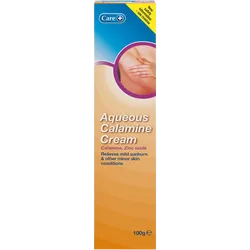
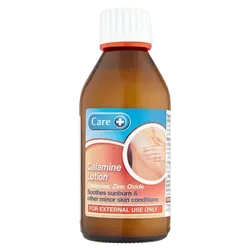
2. Use calamine lotion
An effective way to reduce itchiness from chickenpox is to apply calamine lotion to affected areas.
Calamine cream can leave your skin feeling cool and soothed to lessen the effects of itchiness caused by chickenpox and other itchy skin conditions.
3. Take antihistamines
Another way to help relieve itchy symptoms is to take antihistamine tablets by mouth, which can be purchased over the counter.
It should be noted that any lotions or creams that contain antihistamines should not be applied topically on the skin for chickenpox.
At Weldricks Pharmacy, we stock a wide range of antihistamine tablets to suit your preferences, including tablets from popular brands such as Piriton.
4. Take aciclovir
In some rare cases, chickenpox can have severe complications. If this is the case for you, then your GP might prescribe an antiviral medication called aciclovir. Creams containing aciclovir can also be purchased over the counter.
Aciclovir is a type of medication used to treat infections that are caused by different types of viruses. Cold sores, caused by herpes or chickenpox, can be taken care of with an aciclovir cream.
Aciclovir can:
- decrease the severity of the chickenpox virus,
- shorten recovery time,
- helps heal sores faster,
- stop new sores from forming on the skin,
- reduce pain and itchiness, and
- help reduce the spread of the infection across the body.
5. Take Poxclin
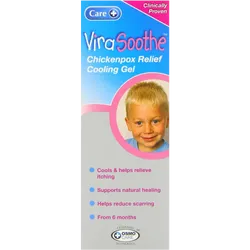
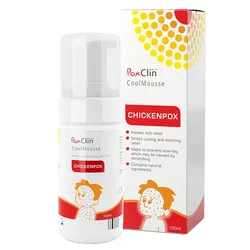
Poxclin CoolMousse is an easily absorbed formula that cools the skin on application. Chickenpox often appears as an itchy rash all over the skin, and the CoolMousse formula quickly soothes any red or inflamed areas, preventing the urge to scratch.
It contains active ingredients that are derived from various plants that are known for their healing properties, including Aloe Barbadensis extract, Chamomila Recutita flower extract, and Lavandula Angustifolia flower/leaf stem extract.
Pharmacist tip: Apply Poxclin up to 3 times a day.

Lifestyle & Home Remedies
1. Have an oatmeal/cornflour bath
A great way to soothe itchy skin from chickenpox is to bathe in oatmeal or cornflour. If you’re worried about chickenpox spreading from one place to another while you are bathing, then you can relax, as this won’t happen.
You can purchase oatmeal lotions from your local drug stores or pharmacy, too, which can help soothe your skin and keep it moisturised as well.
Aveeno’s Soothing Oat Bath Sachets can simply be added to your bath and dissolved for you to soak in and soothe your itchy skin.
2. Bathe in baking soda
Another option to soothe itchiness is to bathe in baking soda.
All you need is one cup of baking soda to add to warm water. You can do this repeatedly if you find this option relieving.
If your child also prefers this method, then you can bathe them up to three times a day with baking soda.
3. Trim your nails
You will more than likely be tempted to scratch that itch when it comes to chickenpox, but this will make it more uncomfortable for you, and breaking the skin can lead to infection, leaving scars on your body.
A good way to negate the temptation is to trim your nails down, as you will be less likely to scratch infected areas. Wearing gloves, mittens, or even socks on your hands can also help reduce the scratching of your skin.
4. Wear loose clothing
Soft, breathable fabrics like cotton reduce irritation and help the skin heal naturally.
5. Use cool compresses
Apply a soft, damp cloth to itchy or inflamed areas to soothe the skin and reduce redness.
6. Avoid heat and sweating
High temperatures can worsen itching and increase irritation, so stay cool and rest in a well-ventilated space.
7. Stay hydrated
Drink plenty of water or clear fluids to help regulate body temperature and support recovery.
8. Soothe mouth sores with ice lollies
Ice lollies or cold drinks can ease discomfort caused by spots inside the mouth or throat.
9. Keep clean
Wash hands, clothes, and bedsheets daily to lower the risk of infection and speed up healing.
If you are ever unsure about what to use, then speak to your pharmacist or GP for advice on chickenpox remedies.
What to Avoid When You Have Chickenpox
- Ibuprofen: It may increase the risk of serious skin infections.
- Aspirin (in children): Never give aspirin to children with viral infections, as it can cause Reye’s syndrome, a rare but life-threatening condition.
- Scratching the spots: This can lead to scarring and bacterial skin infections.
- Hot baths or showers: Heat can make itching worse and irritate the rash further.
How to Prevent Chickenpox
The safest way to prevent chickenpox is by getting the chickenpox vaccine.
Children are now offered the MMRV vaccine that helps protect against measles, mumps, rubella, and chickenpox (varicella).
The vaccine works by introducing weakened versions of the virus into the body, causing the disease. Through vaccination, your immune system learns how to fight the virus much more quickly than it would if you were to catch and then treat it.
Find your nearest pharmacy offering the vaccine, and book your appointment today. After agreeing on a date, you will have your first dose. Our pharmacist will then book you in for the second dose a minimum of six weeks later - and then you’re done, it’s as easy as that.
Alongside the chickenpox vaccine, we also offer the seasonal flu vaccine.
What Is Chickenpox — Summary
Chickenpox is usually mild and manageable at home, but knowing how to treat symptoms safely can make recovery much more comfortable (especially for children).
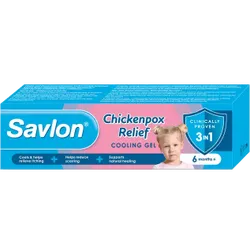
Explore Weldricks’ selection of trusted chickenpox relief products designed to soothe itching, calm redness, and promote fast healing!
FAQs
What is the difference between measles and chickenpox?
Measles is caused by the rubeola virus and begins with cold-like symptoms and red spots with white centres.
Chickenpox is caused by the varicella-zoster virus and produces itchy, fluid-filled blisters that form in waves.
Can you get chickenpox twice?
It’s rare but possible. Most people develop lifelong immunity after infection (or vaccination), but in very rare cases (especially in people with weakened immune systems), the virus can recur as mild chickenpox or shingles.
Can I go to work if my child has chickenpox?
You should stay at home if your child has chickenpox, because it’s highly contagious. Stay away from vulnerable people (even if you’ve been vaccinated), such as pregnant women or individuals with compromised immune systems.
What happens if a pregnant woman is exposed to chickenpox?
Infection during pregnancy can lead to complications for both the mother (severe pneumonia, hepatitis, encephalitis, etc.) and baby (congenital varicella syndrome, neonatal varicella).
Why is it called chickenpox?
It’s probably called “chickenpox” because its blisters were thought to look like chickpeas.
Published 6th March 2026 by

Allan Green
Registered Pharmacist & Head of E-commerce
Allan has been a Registered Pharmacist for 25+ years
He specializes in Ecommerce and Over the Counter medicines.
He is a Registered Pharmacist, who studied at University of Bradford.
He has been with Weldricks since 2006, starting as a branch manager before moving into area management and deputy superintendent roles.
His current responsibilities include web development, marketing, content, customer service and web operations teams.