Can Babies & Kids Get Hayfever? Signs, Symptoms & Treatments
In this guide
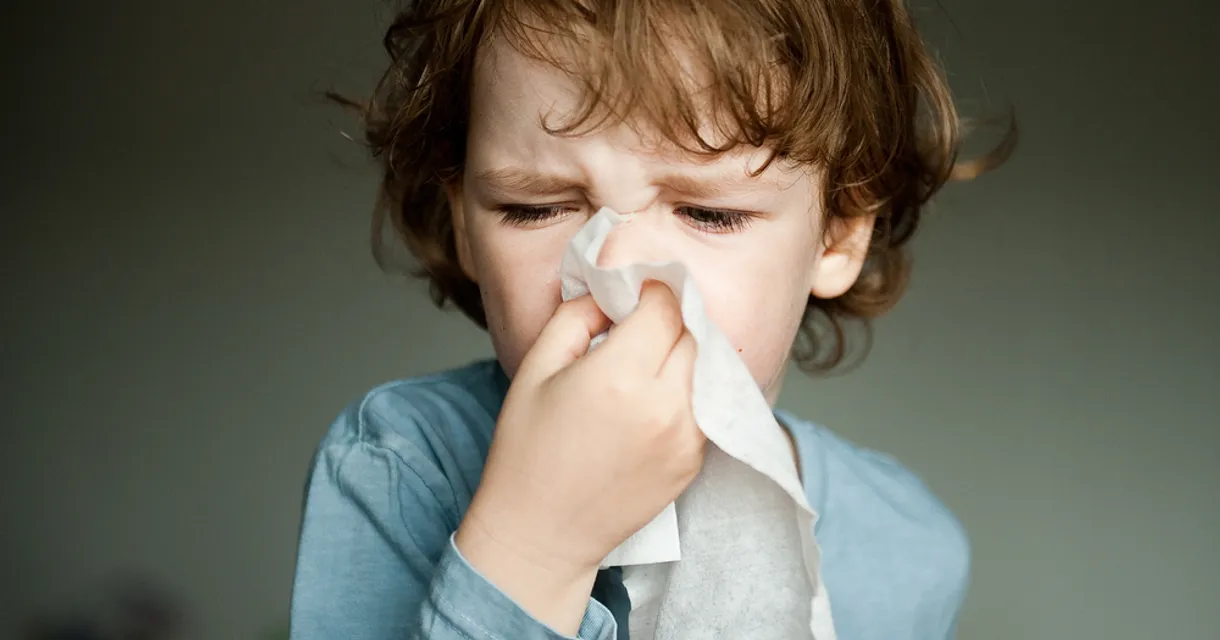
Managing allergies and hayfever in babies and young children can be challenging, especially if they’re too young to be able to communicate exactly how they’re feeling. According to the most recent data from Allergyuk.org, 40% of children have been diagnosed with an allergy – so you’re not alone.
As a parent or caregiver, you can use our expert guide for advice on managing symptoms and the best allergy and hayfever treatment for kids. If their allergies are severe or you’re worried about the wellbeing of your little one, speak to your GP or our online doctor to diagnose your allergies and offer a tailored treatment plan.
Symptoms of Allergies in Children and Treatment Options
Allergy symptoms can impact a child's health, well-being, socialising and education, and can be distressing for parents and caregivers.
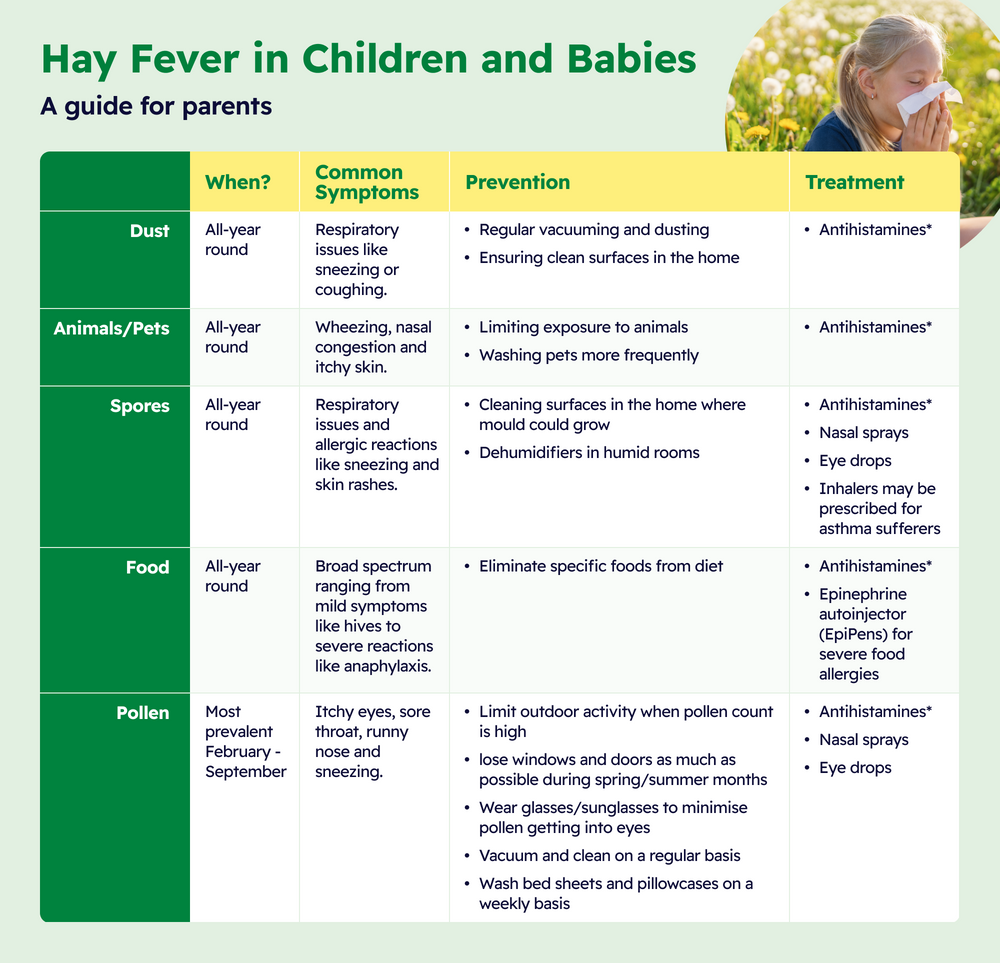
Whether they’re a baby, toddler, all the way through to early teen, being aware of allergy triggers, symptoms and treatments means you can offer support and relief when they need it most. Here are some of the most common allergy triggers and how to spot them:
Dust
Dust mites are a common allergen for children, often found in bedding, carpets and upholstered furniture.
Symptoms to look out for: Respiratory issues like sneezing or coughing.
Treatment: Vacuuming regularly and ensuring that surfaces are clean and dust-free is a good way to eliminate the presence of dust mites. But, in many circumstances, antihistamines are a good way of managing dust mite allergy symptoms in children. Read on for more information on antihistamine for kids.
Animals/Pets
Pet dander, particularly from cats and dogs, can trigger allergic reactions in children. Pet saliva and urine particles often trigger allergies; and because cats and dogs groom themselves by licking, these allergens are transferred to their skin and hair, then become airborne.
Symptoms to look out for: Wheezing, nasal congestion and itchy skin.
Treatment: Limiting exposure to animals, or washing pets more frequently can be a good way to limit the dander or pet particles in the air. Antihistamines are also a reasonably priced way to nip symptoms such as sneezing, runny nose and itchy eyes in the bud.
Spores
Mold spores, commonly found in damp areas, can bring on allergies in children.
Symptoms to look out for: Respiratory issues and allergic reactions like sneezing and skin rashes.
Treatment: Avoiding exposure to mould spores is most important, and therefore cleaning surfaces and environments that would allow mould to grow is crucial. Dehumidifiers can also be used to remove water vapour from the air. As far as medication goes, antihistamine can treat mild symptoms, as well as nasal sprays or eye drops. If your child also suffers from asthma, an inhaler may be prescribed.
Food
Common food allergens like peanuts, milk, eggs and shellfish can cause allergic reactions in children.
Symptoms to look out for: Broad spectrum ranging from mild symptoms like hives to severe reactions like anaphylaxis.
Treatment: Most food allergies are treated by simply eliminating specific foods from diets, however, non-prescription antihistamines can help in some instances, but for severe allergies and symptoms of anaphylaxis, seek emergency medical help.
Pollen
Pollen from trees, grasses and weeds can cause seasonal allergic reactions in children and babies. This is known as hayfever, which can occur in babies, children and adults alike.
Symptoms to look out for: Itchy eyes, sore throat, runny nose and sneezing.
Treatment: As well as limiting outdoor activity when the pollen count is high, antihistamine for kids is a great way of managing symptoms.
|
|
When? |
Common Symptoms |
Prevention |
Treatment |
|---|---|---|---|---|
|
Dust |
All-year round |
Respiratory issues like sneezing or coughing. |
|
|
|
Animals/Pets |
All-year round |
Wheezing, nasal congestion and itchy skin. |
|
|
|
Spores |
All-year round |
Respiratory issues and allergic reactions like sneezing and skin rashes. |
|
|
|
Food |
All-year round |
Broad spectrum ranging from mild symptoms like hives to severe reactions like anaphylaxis. |
|
|
|
Pollen |
Most prevalent February - September |
Itchy eyes, sore throat, runny nose and sneezing. |
|
|
*See below for antihistamine guidance and dosage for babies and children.
By understanding triggers, recognising symptoms early and working with healthcare professionals to get medication, you can help minimise the impact and improve your child's quality of life.
Hayfever Symptoms in Babies and Children
One of the most common allergies in babies and children is hayfever, with up to 15% of all children affected by it. As hayfever is caused by the body’s immune system overreacting to pollen, immediate signs and symptoms of hayfever in babies and children can include the following:
Common hayfever symptoms in children
- Sneezing
- Itchy, runny or blocked nose
- Itchy or sore ears
- Itchy, red or watery eyes
- Itchy or sore throat
- Coughing (from postnatal drip)
- Pain around temples, or headache
Less common hayfever symptoms in children
- Loss of sense of smell
- Facial pain from blocked sinuses
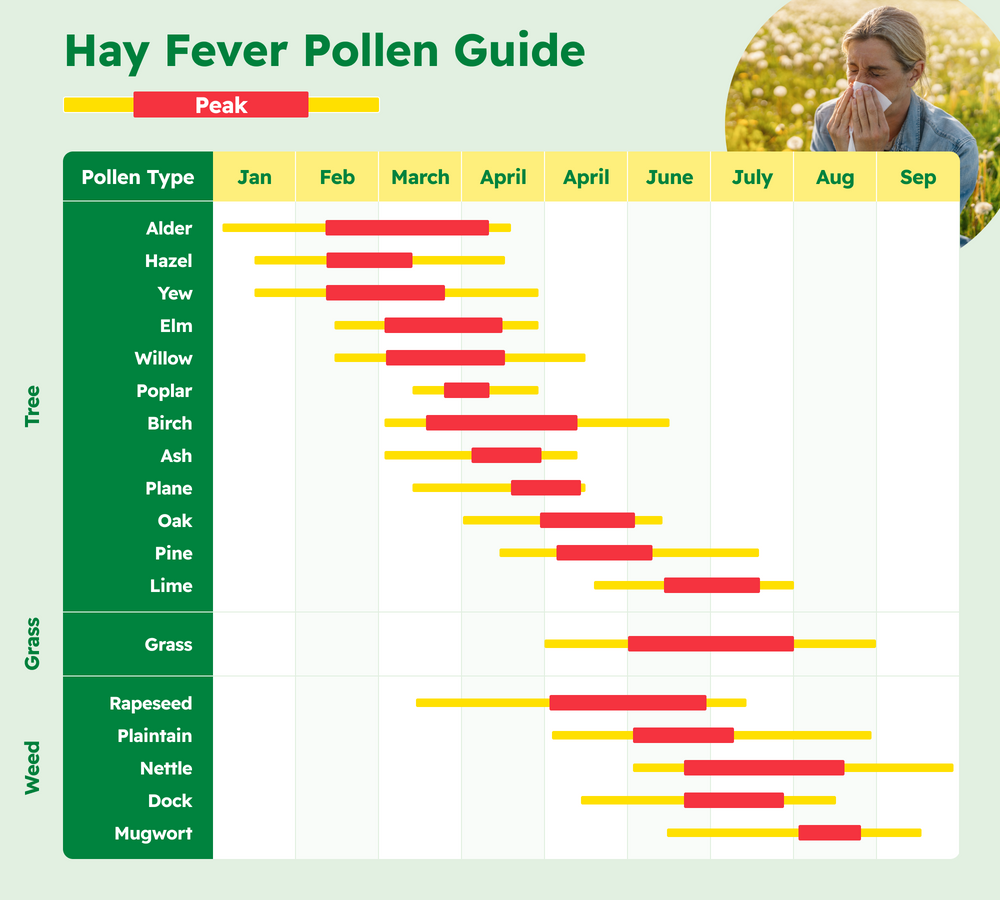
Keep an eye out for these symptoms in your children from around early February, into September, as this is when the pollen count increases.
Remember, similarly to adults, babies and children can be allergic to more than one type of pollen; so use our tree, grass and weed pollen calendar to determine which specific type of pollen your child or baby may be most impacted by, and make a note of dates so that you can manage their symptoms in future years.
Antihistamine For Kids
Treating hayfever and many allergies can be managed effectively by taking antihistamine. Many parents and caregivers ask if antihistamine can be given to babies and young children, and the answer is yes. Just make sure that you’re giving your kids antihistamines in the right format for their age:
- Children aged 2 to 5 years can take cetirizine liquid or syrup, such as Piriton for kids syrup bought from pharmacies or prescribed by their doctor.
- Children aged 6 to 11 years and over can take cetirizine tablets (typically halved) and liquid that you buy from pharmacies and shops.
- Children aged 12+ can take hayfever tablets the same as an adult would.
Don’t forget to take a look through our guide to choosing the best antihistamine for dosage, side effects, effectiveness and more on the best hayfever tablets.
Browse our range of effective treatments to help you manage your child’s hayfever symptoms and reduce the impact they have on their daily life. Always be sure to ask your GP or pharmacist for advice on the best option for your little ones.
Next steps
If you’re concerned about allergies in your kids, our expert pharmacists recommend:
- Seeking immediate, emergency medical attention if you suspect symptoms of anaphylaxis.
- Keeping a diary of symptoms. This can help you pinpoint exactly what your children are allergic to and get the correct treatment.
- Educating your children about their allergies. Teaching them to recognise and avoid triggers, as well as how to manage symptoms, can empower them to take control of their own health.
- Keeping your home environment allergen-free. This may involve using air purifiers, regularly hoovering and washing bedding, or keeping windows closed during high pollen seasons.
- Reviewing kids’ allergy treatments with a healthcare provider, pharmacy or online doctor. Ensuring that your child is on the most effective treatment plan, whether it’s antihistamines, nasal sprays or allergy shots.
Here at Weldricks Pharmacy, we're experts in all things hayfever; providing the right, targeted treatment for our customers with their varied personal needs. Whether you're expecting a baby and need pregnancy-safe hayfever relief guidance, suspect your pet may have hayfever, or you're going on holiday and need the right hayfever treatment for abroad, we're here for you.
FAQs
Can babies get hayfever?
Yes, just like adults and young children, babies can get hayfever. Although, hayfever is a little less common in babies and toddlers than in ages 5+. If you’re a parent or caregiver, look out for a runny or blocked nose, sneezing and itchy eyes in your baby, particularly around the spring/summer months. If you are worried about your baby having allergies, you must seek medical assistance as soon as possible.
Is hayfever contagious in children?
No, hayfever is not contagious in children. Unlike colds and flu, hayfever is an allergic reaction to pollen, and therefore is never contagious.
Are allergies and hayfever hereditary?
If you or your partner have an allergy, this raises the chances of one or more of your children also having an allergy.
Can babies and children take antihistamine for allergies?
Yes, children and babies can take antihistamine to manage their allergies. Once children reach two years old, they can take liquid antihistamine from the pharmacy, and children aged 6+ can take antihistamine tablets such as cetirizine, under adult supervision.
Are nasal sprays safe for children’s allergies?
Children aged 6+ can use some nasal sprays to treat allergies and hayfever, with adult supervision. However, you must read the product labels and leaflet as nasal sprays are not suitable for everyone. If you are unsure, always consult with a medical professional.
Published 17th April 2025 by
Allan Green
Registered Pharmacist & Head of E-commerce
Allan has been a Registered Pharmacist for 25+ years
He specializes in Ecommerce and Over the Counter medicines.
He is a Registered Pharmacist, who studied at University of Bradford.
He has been with Weldricks since 2006, starting as a branch manager before moving into area management and deputy superintendent roles.
His current responsibilities include web development, marketing, content, customer service and web operations teams.
Related Products
-
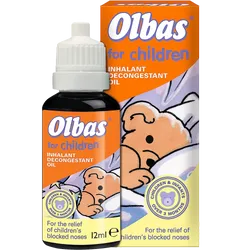
Olbas Oil For Children 12ml £4.19 save £1.86
-
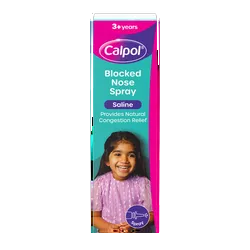
Calpol Saline Nasal Spray 3+ Years 15ml £4.59 save £1.36
-
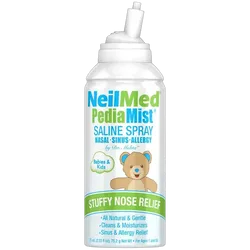
NeilMed PediaMist Saline Nasal Spray 75ml £4.99 save £2.00
-
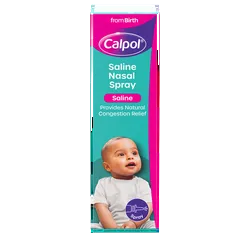
Calpol Saline Nasal Spray from Birth 15ml £3.95 save £2.00
-
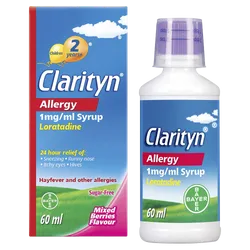
Clarityn Children's Allergy Syrup 60ml £4.99 save £2.00
-
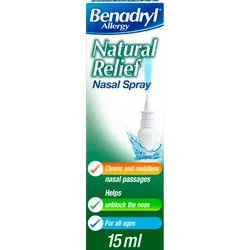
Benadryl Allergy Natural Relief Spray 15ml £4.79 save £0.90
-
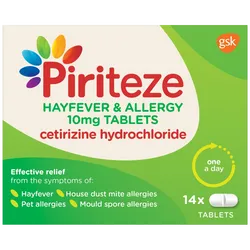
Piriteze Allergy Tablets Pack of 14 £6.79 save £1.20
-
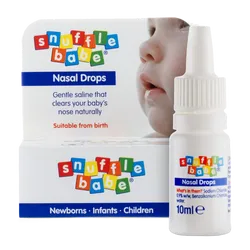
Snufflebabe Nasal Drops 10ml £3.09 save £0.11
-
Snufflebabe Spray 15ml £3.99 save £0.26
-
Essentials Kids Saline Nasal Spray 15ml £1.65 save £0.84
-
Becodefence Allergy Defence Kids Nasal Spray 20ml £8.99 save £1.00
-
Otrivine Natural Daily Nasal Wash 100ml £7.98 save £0.71
-
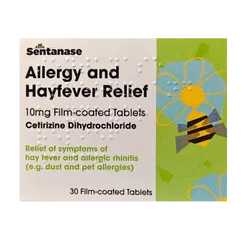
Cetirizine 10mg Tablets Pack of 30 £0.78 -
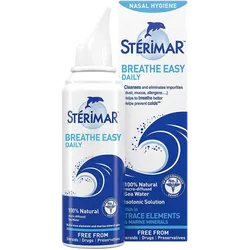
Sterimar Breathe Easy Daily Nasal Spray 50ml £3.99 save £1.00
-
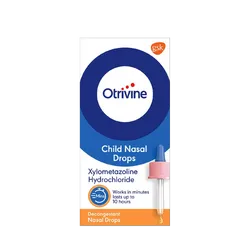
Otrivine Child Nasal Drops 10ml £3.89 save £0.61
-
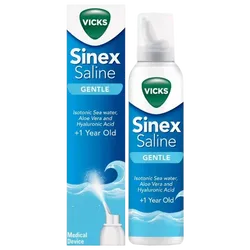
Vicks Sinex Saline Gentle Nasal Spray 120ml £7.09 save £1.41
-
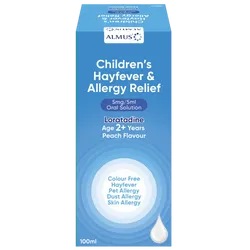
Almus Children's Hayfever & Allergy Relief Solution 100ml £4.48 save £1.41
-
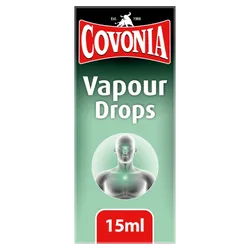
Covonia Vapour Drops 15ml £3.99 save £0.50
-
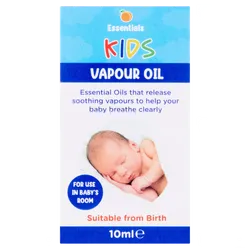
Essentials Kids Vapour Oil 10ml £2.69 save £1.30
-
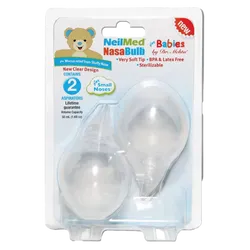
Neilmed NasaBulb Nose Aspirators Pack of 2 £4.49 save £7.50
-
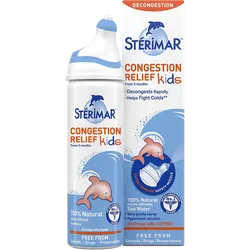
Sterimar Kids Congestion Relief Nasal Spray 50ml £4.05 save £0.24
-
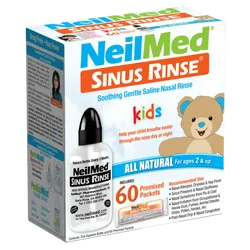
Neilmed Sinus Rinse Kids Complete Kit With 60 Premixed Sachets £9.98 save £8.51
-
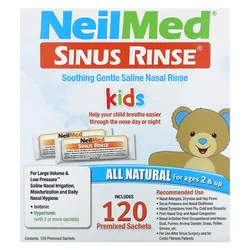
NeilMed Sinus Rinse Kids Sachets Pack of 120 £12.49 save £7.50
-
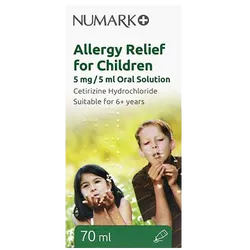
Numark Allergy Relief for Children Cetirizine Oral Solution 70ml £3.49 save £1.40
-
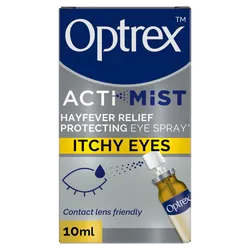
Optrex Actimist Hayfever Relief Protecting Eye Spray 10ml £13.59 save £2.40
-
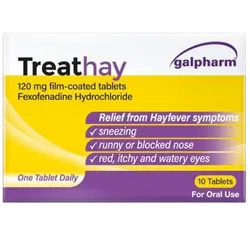
Treathay 120mg Fexofenadine Tablets Pack of 10 £2.49 save £1.50
-
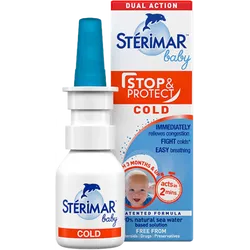
Sterimar Stop & Protect Baby Nasal Spray 15ml £8.29 save £0.70
-
MooGoo Baby & Child Natural Tail Swat Roll-on 115ml £7.48 save £1.42
-
Aptamil Pepti Syneo 400g £14.49