How to Use Codeine Safely: A Complete Guide to Co-Codamol and Other Codeine Painkillers
In this guide

A short guide to the safe and effective use of over-the-counter (OTC) codeine-containing products, such as co-codamol (a combination of codeine and paracetamol). These medicines are available without a prescription but should always be used with caution. Here’s what you need to know to manage pain safely.
What Are Codeine Products Used For?
Over the counter ("OTC") codeine-containing products are licensed for short-term relief of moderate pain that is not controlled by other painkillers like paracetamol or ibuprofen alone.
Common reasons for taking codeine products include:
- Headaches (when other medicines don’t work)
- Dental pain
- Musculoskeletal pain, such as backache
- Period pain
Codeine is an opioid painkiller, meaning it works on the central nervous system (brain and spinal cord) to reduce the perception of pain.
Guidelines for Safe Use of Codeine Products
Follow the Dosage Instructions:
- OTC co-codamol is typically available in a low-dose formulation (e.g. 8 mg codeine/500 mg paracetamol per tablet) although some products contain different amounts of codeine.
- The usual dose for adults and children over 12 years is 1-2 tablets every 4-6 hours as needed, up to a maximum of 8 tablets in 24 hours.
Short-Term Use Only:
- These medicines are intended for use over a maximum of 3 days. If pain persists, consult your pharmacist or GP. Long-term use is generally not recommended due to the risk of dependence and other side effects.
- Occasionally longer-term use of opioids can make your pain more difficult to manage.
Avoid Combining Medicines Without Advice:
- Be mindful of other medicines that may also contain paracetamol (e.g. flu remedies) to prevent overdose.
- Do not use any other codeine-containing medicines at the same time, or other medicines that have similar side effects.
Avoid Alcohol:
- Combining codeine with alcohol can increase the risk of sedation, drowsiness, and may affect your breathing.
Use the Lowest Effective Dose for the shortest time:
- Always use the minimum dose needed for the shortest period to control pain.
Risks of Overuse and Abuse
While codeine is effective for short-term pain relief, it carries significant risks if misused, including dependency and harm to your health.
Dependence and Addiction:
- Codeine is an opioid, which means it can be habit-forming. Taking it for longer than recommended or in higher doses increases the risk of physical dependence and addiction.
- Signs of dependence include cravings, needing larger doses for the same effect (tolerance), and withdrawal symptoms like anxiety, irritability, and sweating when stopping.
Paracetamol Overdose:
- Many codeine products contain paracetamol. Exceeding the maximum daily dose of 4,000 mg of paracetamol (8 tablets of OTC co-codamol) can cause severe liver damage, which may be life-threatening.
- If you think you may have over-dosed on paracetamol you should seek urgent medical assistance, even if you are feeling OK.
Side Effects:
- Codeine can cause drowsiness, dizziness, nausea, constipation, and confusion. Do not drive or operating machinery.
- Rarely, codeine may cause serious allergic reactions or breathing difficulties.
Withdrawal Symptoms:
- If you stop using codeine suddenly after longer-than-recommended use, you may experience withdrawal symptoms such as restlessness, sweating, and irritability.
When to Seek Medical Advice
Stop using codeine and speak to your pharmacist or GP if:
- Your pain persists after 3 days of treatment.
- You feel you need to take codeine products regularly or for longer than directed.
- You notice signs of dependency, such as cravings or withdrawal symptoms.
- You experience side effects such as drowsiness, confusion, nausea, or constipation that don’t resolve after stopping.
Remember: OTC codeine products can be a helpful tool for pain management, but they are not a long-term solution. Always start with simpler painkillers (e.g. plain paracetamol), and reserve codeine for short periods when your pain is not relieved by these alternatives. If you’re unsure about the best way to manage your pain or have concerns about your use of codeine, your pharmacist is here to help.
Worried about your Codeine Use?
If you are worried about your codeine use, or feel that you can’t stop taking codeine containing pain killers, the first step is to get some help. The resources below can guide you:
Published 8th December 2025 by

Michael Ansell
Leedale Pharmacist
Mike graduated from the University of Bradford in 2009, with a Master of Pharmacy degree. He is a registered Pharmacist . Mike has trained in a hospital in West Yorkshire as well as working for a GP surgery in Sheffield.
The majority of his career has been in community pharmacies across South Yorkshire. Mike joined our Leedale branch in 2025, having worked in our Community based branches previously, he has worked for Weldricks for 3 years. Mike enjoys the clinical focus of his role in Leedale and working closely with GPs to improve patient care.
Related Products
-
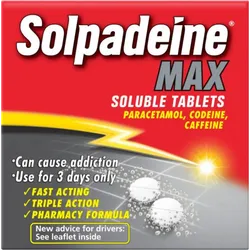
Solpadeine Max Soluble Tablets Pack of 24 £7.79 save £0.76
-
Solpadeine Max Tablets Pack of 24 £7.19 save £0.60
-
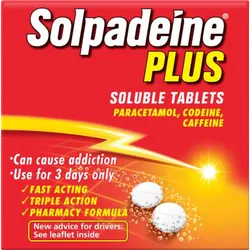
Solpadeine Plus Soluble Tablets Pack of 24 £7.25 save £0.02
-
Solpadeine Headache Soluble Pack of 16 £2.69 save £0.30
-
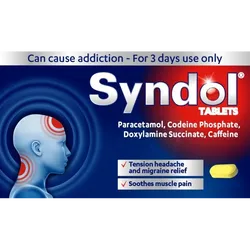
Syndol Tablets Pack of 10 £4.89 -
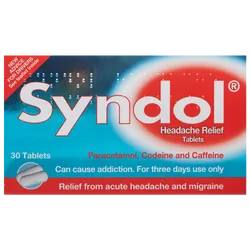
Syndol Headache Relief Tablets Pack of 30 £6.79 save £3.20
-
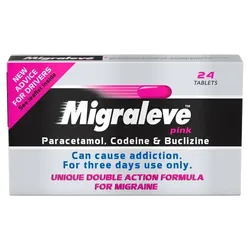
Migraleve Pink Tablets Pack of 24 £9.85 save £6.00
-
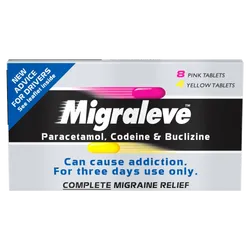
Migraleve Complete 8 Pink & 4 Yellow Tablets £6.89 save £4.06
-
Migraleve Tablets Complete Pack of 24 £11.98 save £3.42
-
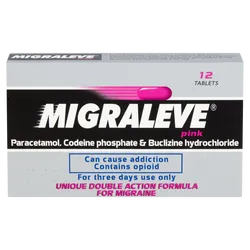
Migraleve Tablets Pink Pack of 12 £6.39 save £3.61
-
Migraleve Tablets Yellow Pack Pack of 24 £9.98 save £1.42
-
Nurofen Plus Tablets Pack of 32 £11.79 save £2.20
-
Paramol Tablets Easy To Swallow Pack of 12 £5.99 save £0.50